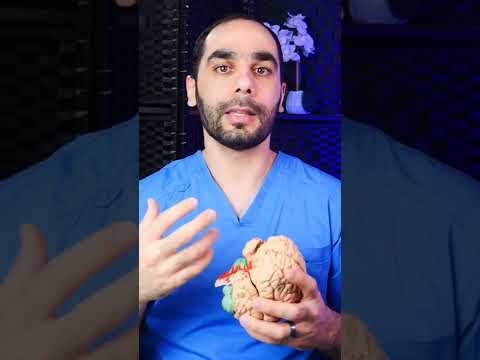
So, have you heard of Mirgi disease? It’s not your everyday topic, I know. But seriously, it’s interesting stuff! Imagine dealing with a condition that messes with how your body moves and feels.
Este blog ofrece contenido únicamente con fines informativos, educativos y de reflexión. La información publicada no constituye consejo médico, psicológico ni psiquiátrico, y no sustituye la evaluación, el diagnóstico, el tratamiento ni la orientación individual de un profesional debidamente acreditado. Si crees que puedes estar atravesando un problema psicológico o de salud, consulta cuanto antes con un profesional certificado antes de tomar cualquier decisión importante sobre tu bienestar. No te automediques ni inicies, suspendas o modifiques medicamentos, terapias o tratamientos por tu cuenta. Aunque intentamos que la información sea útil y precisa, no garantizamos que esté completa, actualizada o que sea adecuada. El uso de este contenido es bajo tu propia responsabilidad y su lectura no crea una relación profesional, clínica ni terapéutica con el autor o con este sitio web.
You might be wondering what causes it or how to deal with the symptoms. That’s a totally valid concern!
But don’t worry. We’ll break it down together. Just grab your favorite drink, sit back, and let’s chat about Mirgi disease—what it is, why it happens, and what you can do about it.
Understanding the Three Main Causes of Epilepsy: A Focus on Biological and Psychological Factors
Epilepsy, or as some might call it “Mirgi Disease,” is a complex condition. It’s not just a single thing but rather a collection of disorders that affect your brain’s electrical activity. This can lead to seizures, and yeah, they can feel pretty scary. Let’s break down the main causes, focusing on both biological and psychological factors.
Biological Causes
First up, we have the biological causes of epilepsy. These are often physical changes in the brain that lead to seizures.
- Genetic Factors: Sometimes epilepsy runs in families. If you have a relative with the condition, you might have an increased risk. Certain genes can make your brain more likely to misfire.
- Brain Injury: Damage from accidents, tumors, or strokes can change how your brain functions. Some folks might develop epilepsy after experiencing severe head trauma.
- Cerebral Dysgenesis: This fancy term refers to issues with how the brain develops before birth. Problems during pregnancy can lead to structural abnormalities in the brain that result in epilepsy later.
These biological factors are like glitches in a game—something that changes how everything runs!
Now let’s think about some psychological factors.
Psychological Factors
While most people think of epilepsy as purely biological, your mental health plays a role too!
- Stress: Ever had that feeling where stress just takes over? For some people with epilepsy, intense stress can trigger seizures.
- Anxiety and Depression: Living with epilepsy can sometimes lead to anxiety or depression—imagine constantly worrying about when the next seizure might hit! These conditions don’t directly cause seizures but can make them worse.
- Social Isolation: If someone feels cut off from friends or family because of their condition, it could heighten their emotional struggles. This emotional distress may impact seizure control. Being around supportive people is so crucial!
It’s like trying to play a cooperative game solo—you need teamwork to succeed!
Treatment Options
When it comes down to dealing with epilepsy, there are various ways to manage it—so don’t lose hope!
- Meds: Doctors often start patients on anti-seizure medications which help control and reduce the frequency of seizures.
- Surgery: In some cases where meds aren’t enough, surgery could be an option if doctors determine where exactly in the brain seizures come from.
- Lifestyle Changes: Stress management techniques like yoga or meditation could help reduce triggers for some people!
Always remember that none of this replaces professional help; if you or someone you know is dealing with these issues, it’s vital to talk to a healthcare provider for personalized care.
So there you have it—the three main causes of epilepsy lie in both biological and psychological realms! Understanding these helps us see how intertwined our brains and emotions truly are. This journey isn’t easy but knowing what’s going on is half the battle!
5 Foods to Avoid for Better Seizure Management: Understanding Their Impact
Managing seizures can feel like navigating a tricky maze. You want to find the path that helps you, right? Well, the foods you eat can play a huge role in seizure management, especially for those with Mirgi disease. Let’s take a look at some foods that might be best to avoid.
- Processed Sugars: Foods high in sugar, think candy or soda, can spike your blood sugar levels. This fluctuating energy can trigger seizures. Imagine your brain is like a game character that gets too many power-ups at once; it can’t handle it and crashes!
- Caffeine: You might love your morning coffee or that energy drink before a workout. But caffeine is a stimulant and can lead to increased anxiety and restlessness, which aren’t good if you’re managing seizures. It’s like trying to play a stealth game while everything around you is exploding!
- High-Carbohydrate Foods: White bread, pasta, and pastries—these are comfort foods for many but can increase blood sugar levels rapidly. This rollercoaster of energy isn’t ideal for someone dealing with seizures. Think of it as playing on a level with constant ups and downs; it can throw you off balance.
- Saturated Fats: Processed meats, fried foods, and full-fat dairy products may contribute to inflammation in the body. This could exacerbate seizure activity for some people. Imagine your brain being in a battle where enemies (inflammation) keep piling up—you definitely want to clear them out.
- Additives and Preservatives: Many packaged snacks have chemicals added for flavor or shelf life. Some studies suggest these additives may have links to seizures or worsen symptoms in sensitive individuals. It’s kind of like playing with glitchy video game software—you never know when it’ll crash!
You know what? These suggestions don’t replace professional help—or doctors’ advice! Always chat with your healthcare provider about diet changes if you’re living with Mirgi disease; they know what’s best for your individual needs.
The key takeaway here is simple: fueling your body wisely may help manage those pesky seizures better! Balancing what you eat isn’t always easy but knowing what might trigger issues gives you a fighting chance.
Understanding the Causes and Psychological Factors Behind Mirgi (Epilepsy)
Mirgi, or epilepsy, is a brain disorder that leads to abnormal neural activity, which can cause seizures. Seizures can look different from person to person and range from brief lapses in attention to severe muscle spasms. So, what really causes mirgi? Let’s break it down.
- Genetic Factors: Sometimes, epilepsy runs in families. Certain genes can make someone more prone to having seizures. Imagine playing a game where certain characters have special powers—that’s kind of how genetics works here! You’re born with it.
- Brain Injuries: Injuries like traumatic brain injuries (TBI) from accidents may trigger epilepsy later on. Think of your brain as a delicate system of circuits; if one gets damaged, it might create some “short circuits” that result in seizures.
- Cerebral Conditions: Conditions like stroke or tumors can affect the brain’s ability to control electrical activity. If you’ve ever played a strategy game where resources are limited, you know how quickly things can go south when you’re not managing them well!
- Environmental Factors: Exposure to toxins or infections (like meningitis) during early development might also increase the risk of developing mirgi. Just as staying away from certain areas in an open-world game helps avoid trouble, avoiding harmful substances is crucial for brain health.
- Psychological Factors: Stress and anxiety can trigger seizures in some people with epilepsy. It’s like getting too intense in a multiplayer match—you may end up losing your focus! Managing stress through practices like mindfulness or relaxation techniques can help.
Now let’s chat symptoms for a moment. The signs of mirgi vary widely; they might include:
- A sudden blank stare or confusion
- Twitching or jerking movements
- Losing consciousness
Seizures don’t always happen randomly; patterns do emerge for many folks. Keeping track of when they occur and any associated triggers is super helpful—and sometimes even feels like leveling up your knowledge about what affects you.
Finally, regarding treatment options: medications are often the first line of defense against seizure activity. In some cases, surgery might be necessary if medications aren’t cutting it—think about upgrading your game’s hardware when your console can’t handle the latest graphics!
But remember: if you think you’re experiencing symptoms related to epilepsy or have concerns about mirgi, it’s essential to consult with healthcare professionals who can offer guidance tailored just for you.
The journey with mirgi may seem complex—it really does touch psychological factors and physical health—but staying informed is key!
You know, when you hear about Mirgi disease, it might not be the first thing that pops into your head at a party. But it’s a really interesting topic! It’s one of those conditions that can be quite confusing, so let’s break it down a bit.
First off, let’s talk about symptoms. If you’ve ever seen someone go through intense shaking or convulsions, you might have an idea of what it feels like. Mirgi disease primarily involves seizures, and honestly, witnessing someone struggle with them is pretty heart-wrenching. It’s not just physical; the emotional toll on both the person experiencing it and their loved ones can be immense. You start to understand that these episodes aren’t just random—they affect daily life profoundly.
So what causes this to happen? Well, the truth is, Mirgi disease can stem from various factors. Sometimes it’s due to a genetic predisposition or even environmental factors like head injuries or infections. Imagine growing up always being aware that your brain might react differently under stress or illness; how scary would that be?
Now onto treatment options! Thankfully there are ways to manage Mirgi disease. Medications are typically one of the first lines of defense; they help reduce the frequency and severity of seizures. You can see how much relief that could bring! For some people, lifestyle changes also play a significant role—like getting enough sleep or avoiding stressors.
I remember talking to a friend who has been managing Mirgi for years now. They shared how important their support system has been throughout their journey. It made me realize how crucial empathy and understanding are when supporting someone with such a condition.
In all honesty, learning more about Mirgi disease reminds me how interconnected our lives are—it affects not just those diagnosed but also family and friends who walk alongside them on this journey. So if you ever find yourself curious about it, think of it as an opportunity to connect deeper with those around you who might be facing similar struggles.