You know how sometimes, the moment you finally get that time off, you come down with a cold? Or maybe you just feel drained instead of relaxed. It’s super frustrating, right?
Este blog ofrece contenido únicamente con fines informativos, educativos y de reflexión. La información publicada no constituye consejo médico, psicológico ni psiquiátrico, y no sustituye la evaluación, el diagnóstico, el tratamiento ni la orientación individual de un profesional debidamente acreditado. Si crees que puedes estar atravesando un problema psicológico o de salud, consulta cuanto antes con un profesional certificado antes de tomar cualquier decisión importante sobre tu bienestar. No te automediques ni inicies, suspendas o modifiques medicamentos, terapias o tratamientos por tu cuenta. Aunque intentamos que la información sea útil y precisa, no garantizamos que esté completa, actualizada o que sea adecuada. El uso de este contenido es bajo tu propia responsabilidad y su lectura no crea una relación profesional, clínica ni terapéutica con el autor o con este sitio web.
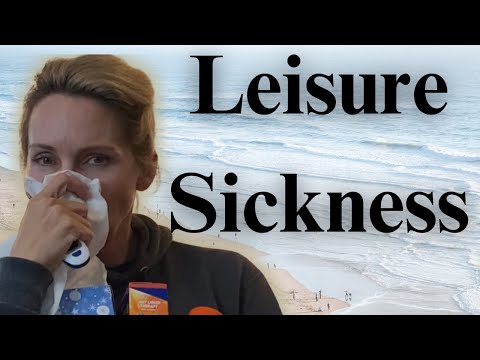
Well, there’s actually a term for that: leisure sickness. Sounds odd, huh? But it’s real and pretty common. Imagine working hard all week, counting down the hours to freedom, only to spend your weekend feeling like a zombie.
So what’s going on here? Why do our bodies decide to rebel as soon as we slow down? Let’s break it down and see what causes this weird phenomenon and the symptoms you might wanna look out for. Ready?
Understanding the Causes of Leisure Sickness: A Psychological Perspective
Leisure sickness, sounds a bit odd, doesn’t it? You might be like, «What the heck is that?» Well, it’s a real phenomenon where people feel physically ill during their time off – think weekends or vacations. Yeah, you heard that right! This can range from headaches to fatigue or even feelings of anxiety. So, let’s explore what’s really going on here.
First off, it’s important to know that leisure sickness isn’t officially recognized like the flu or something. It’s more of an umbrella term for those who feel unwell when they should be relaxing. The causes can vary from person to person.
- Stress accumulation: If you’re constantly grinding at work and then suddenly stop, your body might react like a pressure cooker letting off steam. It’s wild; you might find relief in doing nothing but then pay the price with headaches or body aches.
- Anxiety and depression: For some folks, downtime can trigger those pesky feelings of worry or sadness that were hiding under the surface. Imagine finally sitting down to play your favorite video game after a long week; instead of enjoying it, your mind starts racing with thoughts about unfinished tasks.
- Overexertion before breaks: A crazy work schedule can make days off feel daunting rather than refreshing. You know how some people run themselves ragged before leaving for vacation? That catch-up exhaustion can hit hard when they finally stop.
- Psycho-somatic responses: Sometimes your brain thinks it’s time to rest and your body responds by feeling sick. It’s like when you’re playing a game and get super focused; when you finally take a break and realize how tense you’ve been, you might just crash a bit.
Now, let’s talk about symptoms because they vary widely too! You could experience nausea, muscle pain, fatigue—you name it! For instance, once I was all set for a weekend getaway, but as soon as I parked my car at the beach, boom—migraines hit me like a truck.
And guess what? It’s not just about physical symptoms either. Some people end up feeling guilty for simply enjoying their time away from work! It’s like there’s this little voice in their head saying they should be working instead of lounging on the couch or binge-watching their favorite series.
There are plenty of strategies out there if you’re dealing with this kind of thing—or if it’s something you think could happen to you. Finding ways to manage stress effectively before your downtime is key! Engaging in activities throughout the week that keep relaxation in check might help too.
But hey here’s an important note: If you or someone close feels plagued by these symptoms consistently during leisure time—or really at any time—it’s crucial to seek help from mental health professionals because sometimes these feelings can signal deeper issues that need addressing.
So remember: life is all about balance! Embracing leisure without guilt should be our goal but knowing how our minds and bodies react is just as important!
Understanding the Duration of Leisure Sickness: Symptoms and Impacts
Leisure sickness is one of those quirky conditions that can throw a wrench in your plans. Imagine this: you’ve worked hard all week, finally get some time off, and bam! You’re hit with symptoms like fatigue, headaches, or even a mild fever. Sounds ridiculous, right? But for some folks, this is a real struggle.
What exactly is leisure sickness? It’s not just about feeling tired when you’re supposed to be enjoying life. It refers to the phenomenon where people experience various physical and psychological symptoms during their leisure time. It might seem odd at first—why would relaxing make you sick? The truth is that our bodies can react to stress in funky ways.
So what are the common symptoms? Here’s a quick rundown:
- Fatigue: Even if you’ve been looking forward to your weekend, suddenly feeling exhausted can be frustrating.
- Headaches: Picture this: you’re getting ready to binge-watch your favorite series and boom—a headache strikes!
- Mild fever: With no obvious reason for it, this can throw off your whole vibe.
- Anxiety: You might feel on edge instead of at ease.
You know how some people get really into video games as a way to unwind? Well, imagine getting all set up for an epic gaming session only to feel unwell right before starting. It’s super disappointing!
The impact of leisure sickness isn’t just physical; it affects your mental state too. When you can’t enjoy your downtime, it leads to frustration and disappointment. This can create a cycle where worrying itself becomes part of the illness.
Causes?
Well, research suggests that high-stress jobs or lifestyles may contribute significantly. When you’re constantly on the grind without proper breaks or relaxation during the week, it’s like your body has built up all this tension that releases in weird ways when you finally have time off.
For instance, let’s say you work long hours at an office job—you’re hustling all week with deadlines and meetings. Then the weekend rolls around, but instead of feeling free and excited about hanging out with friends or catching up on hobbies, you’re just… not into it.
People who often push themselves hard during work may find that once they stop for leisure time—the symptoms hit as if their body is saying “Hey! Remember me?” It’s like a rubber band snapping back after being stretched too far!
It’s important to recognize these feelings and take them seriously but also remember that seeking help from professionals can make a huge difference if these symptoms interfere with your quality of life.
In short—or rather long—leisure sickness is no joke. Take care of yourself while juggling work and play so those hard-earned weekends don’t turn out like unwanted surprises!
Understanding the Causes and Symptoms of Illness: A Comprehensive Overview
Leisure sickness is quite an intriguing topic, isn’t it? Basically, it’s when you feel unwell during your time off work. Imagine spending your weekend feeling like you’ve come down with a cold, only to perk up the moment Monday rolls around. It’s almost like your body has a grudge against relaxation!
There are several causes behind leisure sickness that researchers and professionals have pondered over for years. Here are some key points:
- Stress and Anxiety: During the week, you might be so caught up in work that you push through any symptoms of stress. But when it’s finally time to relax, all that pent-up tension can explode into physical symptoms.
- Cognitive Dissonance: This happens when there’s a conflict between what you feel and what you think you should be feeling. If you’ve been looking forward to chilling out but instead feel sick, your brain gets confused!
- Change in Routine: Your body thrives on routine. When the workweek ends and the schedule shifts dramatically, it can throw your system off balance.
- Social Pressure: Sometimes feeling pressured to enjoy your free time can backfire. You might overthink plans with friends or family instead of just enjoying yourself.
The symptoms of leisure sickness often resemble those of common ailments but can vary from person to person:
- Fatigue: You might feel utterly drained even after a good night’s sleep.
- Headaches: Tightness or throbbing in your head can make the thought of any activity seem daunting.
- Nausea: That queasy feeling could pop up just when you’re ready for some fun!
- Mood Swings: One minute you might be excited about plans; the next, you’re just not feeling it at all.
I remember this one weekend I had big plans to binge-watch my favorite series and enjoy some downtime with video games. But as soon as Friday hit, I found myself grappling with headaches and fatigue! Talk about ruining my vibe! It was frustrating because I couldn’t pinpoint why I felt so bad during my leisure time.
It’s important to recognize that while leisure sickness isn’t officially classified as a medical condition, understanding its underlying causes can really help manage how you feel when you’re supposed to be unwinding. And hey, if you’re struggling with persistent symptoms, reaching out for help is super important! Always take care of yourself first.
So yeah, take a moment to reflect on how you’re feeling during those precious moments of downtime. Are they bringing joy or discomfort? If it’s the latter too often than not, maybe it’s worth chatting with someone about it!
You ever feel like you get sick right when the weekend hits? I mean, like, you’re totally fine during the workweek, but then bam! Saturday comes around and suddenly you’re sneezing or your head’s pounding. This phenomenon is actually known as leisure sickness, and it’s more common than you might think.
So here’s the deal: leisure sickness is this odd little ailment where people start experiencing symptoms of illness—like headaches, fatigue, and even cold-like symptoms—when they finally have some downtime. It’s pretty wild to think about how stress can impact us like this. The body tends to hold on to tension when we’re busy, but once we’re free to relax, all that pent-up stress can manifest physically. Weird, huh?
I remember a time when my buddy Jake was always looking forward to his vacations. He’d save up all year long and when the day finally arrived for him to kick back on the beach? He would come down with a nasty cold. It really bummed him out because he’d spend half of his precious vacation in bed instead of soaking up the sun or exploring new places. Poor guy.
Now, there are a few potential causes of leisure sickness that experts toss around casually over coffee chats. Stress is a biggie; it messes with our immune system and basically tells our body there’s no time for sickness while we’re hustling. It’s like your body goes into overdrive just trying to keep you functioning through those relentless workdays.
Another factor could be the change in routine when we switch from busy schedules to relaxing weekends. You know how your body gets used to certain patterns? When those patterns shift suddenly (like from working hard one minute to lounging on the couch the next), your mind and body might protest in some pretty surprising ways.
Symptoms can vary too—some folks complain about physical stuff like muscle pain or stomach issues while others might experience mental fatigue or feelings of anxiety. It’s legit confusing because we usually associate weekends with joy and relaxation! So what gives?
The thing is, recognizing these symptoms and understanding their potential roots can really help you manage them better going forward. Just being aware that this happens may help take some pressure off your weekend plans—I mean sometimes it feels so unfair! If you’re constantly battling these woes during your downtime, you definitely want to tackle whatever’s lurking beneath the surface.
In a nutshell: leisure sickness isn’t just an excuse for skipping out on fun; it’s a reminder that our bodies react strongly to our mental state—especially when we shift gears from stress mode into chill mode rapidly. So if you’ve been feeling off during your precious time away from work, know that it’s not just you; it’s more common than you’d think! And maybe give yourself permission not just to relax but also to take care of whatever else comes up during those moments too.