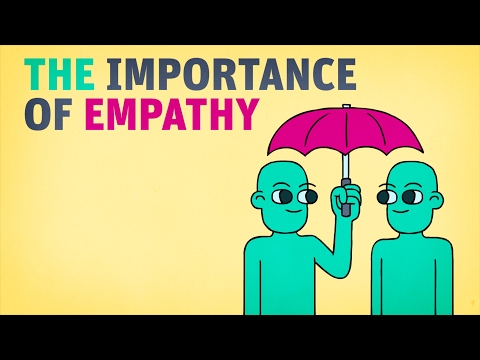
You know what? Empathy is one of those things we don’t think about enough. Seriously, it’s like the secret sauce in relationships, friendships, and just about every interaction we have.
Este blog ofrece contenido únicamente con fines informativos, educativos y de reflexión. La información publicada no constituye consejo médico, psicológico ni psiquiátrico, y no sustituye la evaluación, el diagnóstico, el tratamiento ni la orientación individual de un profesional debidamente acreditado. Si crees que puedes estar atravesando un problema psicológico o de salud, consulta cuanto antes con un profesional certificado antes de tomar cualquier decisión importante sobre tu bienestar. No te automediques ni inicies, suspendas o modifiques medicamentos, terapias o tratamientos por tu cuenta. Aunque intentamos que la información sea útil y precisa, no garantizamos que esté completa, actualizada o que sea adecuada. El uso de este contenido es bajo tu propia responsabilidad y su lectura no crea una relación profesional, clínica ni terapéutica con el autor o con este sitio web.
Ever had a moment where someone just got you? Like they truly understood how you were feeling? That’s empathy in action, my friend!
It’s not just a nice idea—it can totally change the way we connect with others. And let’s be real, life is all about those connections, isn’t it?
So, let’s chat about why empathy matters so much in our everyday lives. You’re gonna want to stick around for this!
Understanding the 3 A’s of Empathy: A Clear Guide to Emotional Connection
Empathy is like that magical glue that holds our relationships together. It’s all about understanding and sharing the feelings of others. But, you know, it can be a bit tricky sometimes. That’s where the 3 A’s of Empathy come in! They’re a simple way to break down this complex emotion.
So, let’s jump right into it:
- Affect: This is all about feeling. To empathize, you have to tune into how someone else feels. Imagine your friend just lost their job. Instead of saying “Oh well,” you feel sad with them—that shared sadness is affective empathy.
- Cognition: This one’s like putting on someone else’s glasses! It’s about understanding their perspective and what they might be thinking. Picture a moment where your sibling gets frustrated over a video game losing streak. Instead of rolling your eyes, you try to see things from their side, realizing how invested they are in the game.
- Action: Finally, this part is where we take what we feel and understand and do something about it! It could be as simple as offering comfort or practical help—like making dinner or just being there to listen when they need to talk.
You see? These three A’s work together to create a deeper emotional connection with someone else. Think about the times you’ve just wanted someone to really “get” what you’re going through—maybe after a bad breakup or during exam stress? That feeling of being understood is priceless.
Now, let me share an experience: I once had a friend who was going through some tough family issues. She would often brush it off like it was no big deal but every now and then, she would break down and cry during coffee dates. Instead of just comforting her verbally—which I definitely tried—I made sure to actively listen and validate her feelings (that’s the affect part!). But also, I asked questions to really understand her situation better (hello cognition!). By doing little things for her afterward—like sending funny memes or checking in regularly—I embodied the action part too!
This approach doesn’t just help them; it helps *you* grow as well! You become more aware of emotions—not only theirs but also your own—as you practice being empathetic in daily life.
The key takeaway here is that empathy isn’t just a nice thing to do; it’s essential for building stronger relationships and communities! You know what I mean? When we understand each other better, we support healing and compassion all around us!
Of course, while empathy is incredibly important; it’s still vital to recognize when professional help is needed—whether for ourselves or those around us. So always reach out for support when things get heavy!
5 Everyday Examples of Empathy and Their Psychological Impact
Empathy is one of those fancy words we throw around, but it’s really about understanding and connecting with others. It’s like putting yourself in someone else’s shoes, you know? Let’s explore five everyday examples of empathy and how they shape our world.
- Listening Actively: Have you ever had a friend just vent about their day? When you listen without interrupting or jumping in with your own stories, that’s empathy at work. It shows that you value their feelings and experiences. You’re not just hearing words; you’re tuning into emotions. This can make them feel validated and less alone.
- Offering Help: Imagine a coworker struggling to meet a deadline. Instead of just focusing on your own tasks, you offer to help them out. This act not only eases their burden but also strengthens your bond. It creates a supportive environment where everyone feels valued and appreciated.
- Sharing Joy: Ever celebrate someone else’s accomplishments? Maybe a friend got promoted or finished a big project. Sharing their excitement isn’t just polite; it’s empathetic! You’re acknowledging their hard work and happiness, which can boost their self-esteem and foster positivity in your relationship.
- Being Mindful of Non-Verbal Cues: Sometimes, emotions are expressed without words. If you notice someone looking down at a party, approaching them with kindness shows empathy. Just a simple «Are you okay?» can open the door for them to share what’s bothering them. This connection is vital for emotional health.
- Forgiveness: Holding onto grudges can weigh us down. When we empathize with someone’s mistakes—like when a friend forgets an important date—it makes it easier to let go. Understanding why they might have messed up allows us to foster stronger friendships instead of breaking them apart.
The psychological impact of these acts can be profound. For instance, practicing empathy builds trust in relationships, promotes emotional well-being, and increases overall happiness levels—not just for the giver but the receiver too! Studies even show that empathetic interactions can lower stress levels.
If you’re thinking this all sounds great but wonder where to start, remember: every little bit counts! Small gestures go a long way in creating an empathetic culture around us—whether at home or in work environments.
If anyone’s feeling overwhelmed or unsure about how to handle their emotions or relationships better, it might help to chat with someone who knows more about these things—like a therapist or counselor! But hey, understanding each other better is something we all can do together!
The Role of Empathy in Enhancing Daily Interactions and Relationships
Empathy plays a huge role in everyday interactions and relationships. Basically, it’s all about being able to put yourself in someone else’s shoes. You know how good it feels when someone just gets you? That’s empathy in action!
So, what is empathy? It’s that ability to understand and share the feelings of others. There are two types: affective empathy, which is feeling someone else’s emotions, and cognitive empathy, where you understand what they’re going through without necessarily feeling it. Both are super important in building connections.
Now, let’s break down why empathy matters:
- Improves Communication: When you empathize with someone, you listen better. You pick up on feelings behind the words. It can make a simple chat feel deeper and more meaningful.
- Strengthens Relationships: Empathy helps build trust. People want to be around those who care about their feelings, right? It creates stronger bonds with friends and family.
- Reduces Conflict: Picture this: you’re arguing with a friend. If you can see things from their perspective, you might just find common ground instead of pushing each other away.
- Boosts Emotional Intelligence: Being empathetic makes you more aware of your own emotions too. It helps in managing how you react to others.
Let me share a little story. A while back, my friend Sarah was having a terrible day—stressed at work and overwhelmed at home. Instead of jumping right into my own stuff or giving her unsolicited advice, I just listened and validated her feelings. Seriously! Just nodding along said more than trying to “fix” her problems ever could. By simply being there for her, our friendship grew even stronger.
The cool thing about empathy is that it can transform even mundane interactions into something special! Think about how many times we brush past people without really connecting—like waiting in line at the coffee shop or chatting with a coworker about the weather. What if we took a moment to notice their mood? Maybe they’re having a rough time too.
However, it’s important to remember that while being empathetic is vital for personal connections, it’s not therapy! Sometimes people need professional help for their struggles which is totally okay.
In the end, nurturing your empathetic side can brighten not only your life but also the lives of those around you. Next time you’re chatting with someone or even scrolling through social media posts—pause for a second and think about what they’re truly feeling underneath it all. You might be surprised at how much connection can deepen from just showing that little bit of extra care!
You know, empathy is one of those things that really makes the world go around. I mean, think about it—when was the last time you felt truly understood? There’s something so comforting about knowing someone else gets where you’re coming from. It’s like a warm hug for your soul, right?
I remember a time when a friend of mine was going through a tough breakup. I could see he was hurting but didn’t quite know what to say at first. So, I just sat with him, listened to him vent, and shared some of my own experiences. Honestly? Just being there made all the difference for him. That sense of connection we had—it was incredible! He wasn’t alone in his pain anymore; he felt seen and heard.
Empathy isn’t just about feeling bad when someone else is sad. It’s more like opening that little door to their world and letting yourself peek inside. When you can put yourself in someone else’s shoes (even if they don’t fit quite right), you start to understand their feelings and motivations a bit better. This simple shift can help us communicate better and reduce misunderstandings.
And let’s face it: life can get pretty hectic. We’re all rushing around trying to juggle work, family, and everything in between. But taking those few extra moments to truly connect can change the atmosphere entirely—be it at home or in the workplace.
But here’s the kicker: empathy is not always easy! You might feel overwhelmed by someone else’s problems or struggle to stay objective when emotions are running high. It takes practice and patience—not only with others but also with yourself.
If we could all sprinkle a little more empathy into our daily interactions, wouldn’t that be something? Imagine walking into any situation with an open heart instead of judgment; how refreshing would that be? Empathy can spark kindness, inspire courage, and ultimately foster stronger relationships among us.
In the end, it boils down to this: when we prioritize stepping outside our own bubble every now and then—just for five minutes—it can create ripples of understanding that impact everyone around us. So next time you’re faced with someone else’s struggles or joy—even if you can’t relate perfectly—take a moment to lean in with empathy. You’ll be amazed at what unfolds!