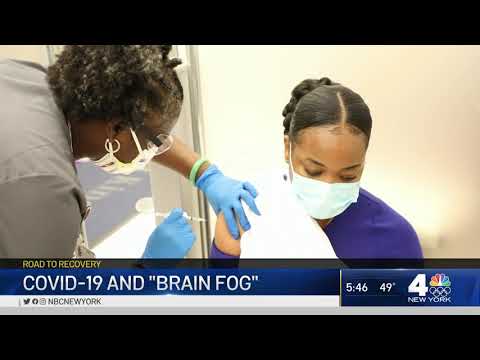
You know that feeling when your brain just feels… foggy? Like you’re swimming in a haze and can’t quite focus? Yeah, that’s what some folks are calling “Covid brain fog.”
Este blog ofrece contenido únicamente con fines informativos, educativos y de reflexión. La información publicada no constituye consejo médico, psicológico ni psiquiátrico, y no sustituye la evaluación, el diagnóstico, el tratamiento ni la orientación individual de un profesional debidamente acreditado. Si crees que puedes estar atravesando un problema psicológico o de salud, consulta cuanto antes con un profesional certificado antes de tomar cualquier decisión importante sobre tu bienestar. No te automediques ni inicies, suspendas o modifiques medicamentos, terapias o tratamientos por tu cuenta. Aunque intentamos que la información sea útil y precisa, no garantizamos que esté completa, actualizada o que sea adecuada. El uso de este contenido es bajo tu propia responsabilidad y su lectura no crea una relación profesional, clínica ni terapéutica con el autor o con este sitio web.
It’s weird, right? One minute you’re cruising through life, and the next, it’s like someone hit the pause button on your mental clarity.
And trust me, you’re not alone in this. A ton of people are experiencing it after battling COVID. So let’s chat about what this brain fog stuff is all about—why it happens and how it messes with our lives. Sound good?
Understanding COVID Brain Fog: Symptoms and Experiences
COVID brain fog has become a term we hear more often these days. If you’ve felt a bit off mentally after being sick with COVID-19, you’re not alone. It’s like your brain is stuck in slow motion, and that can be super frustrating. Let’s dig into what this really means.
First off, what is it? Brain fog isn’t a medical diagnosis but rather a collection of symptoms some people experience post-COVID. You might have trouble concentrating, forget things easily, or feel mentally exhausted after simple tasks.
Here are some common symptoms you might notice:
- Memory issues: Forgetting names or where you left things can become an annoying part of your day.
- Lack of focus: You might find it hard to pay attention to conversations or even binge-watching your favorite series.
- Mental fatigue: Even small tasks can seem overwhelming, like trying to solve a puzzle with missing pieces.
- Mood swings: One moment you’re fine, the next you’re feeling down for no apparent reason.
So, why does this happen? Well, COVID can affect the body in various ways. Researchers suggest that brain fog could be linked to inflammation in the brain caused by the virus. That’s just fancy talk for saying your body is reacting strongly to the illness.
You know what? The emotional toll can also play a huge role here! Imagine being stuck at home for weeks on end during quarantine—it’s enough to make anyone feel mentally drained. Some folks might find themselves feeling disconnected from reality or even anxious about the world reopening.
And here’s something interesting: studies have shown that even after recovering from physical symptoms of COVID-19, many people still report feeling out of sorts mentally weeks or even months later. This isn’t just in your head; it’s a legitimate experience that’s recognized more and more as we learn about long COVID.
But hey, don’t beat yourself up over it! Taking care of your mental health is crucial if you’re dealing with brain fog. Here’re some things that could help:
- Adequate sleep: Seriously, good sleep is like hitting the reset button on your brain.
- Mindfulness and relaxation techniques: Deep breathing or meditation might help clear away some clouds in that mind of yours.
- Puzzles and games: Engaging your mind with crosswords or memory games could help sharpen those cognitive skills.
- Pacing yourself: It’s okay not to accomplish everything at once; small steps matter!
It’s super important to remember that if you’re struggling with these symptoms, reaching out to a healthcare professional is key. They can offer support tailored just for you—kind of like having a cheat code when you’re stuck on a tough level in a game!
In short, COVID brain fog may be challenging but knowing you aren’t alone can bring some comfort. Stay kind to yourself as you navigate this strange new normal. You got this!
Effective Treatments for COVID Brain Fog: Strategies to Improve Cognitive Function and Clarity
COVID brain fog can feel like you’re wading through molasses, right? It’s that annoying feeling of mental fatigue, confusion, and just not being on your game. It can stem from a mix of factors like inflammation, stress, or even the emotional toll of the pandemic itself. So, let’s break down some strategies to help clear that fog and boost your cognitive function.
First off, keep moving. Physical exercise is a real winner when it comes to sharpening your mind. Just think about those endorphins; they’re like little cheerleaders for your brain! Activities like walking, jogging, or even dancing around your living room can improve blood flow and increase oxygen to the brain. You know what? Even a short daily walk can make a difference.
Next up is nutrition. A balanced diet rich in antioxidants and omega-3 fatty acids can work wonders. Foods like berries, leafy greens, and fish are great picks. Seriously! They have compounds that support brain health. I remember experimenting with smoothies packed with spinach and banana — my favorite went from being just tasty to feeling like brain fuel!
- Stay Hydrated: Dehydration can add to that foggy feeling. Aim for at least eight glasses of water daily. Adding lemon or cucumber makes it more fun!
- Sufficient Sleep: Sleep isn’t just for the tired; it’s essential for memory consolidation and cognitive function. Try aiming for 7-9 hours of quality sleep each night.
- Meditation and Mindfulness: These practices might sound a bit “woo-woo” but seriously? They help reduce stress and enhance focus by training your mind to be present.
- Cognitive Exercises: Fun brain games like puzzles or memory games aren’t just entertaining—they keep your mind sharp! Apps that focus on cognitive skills could be useful too!
Mental breaks are also important. When you’re working or studying hard, take those short breaks every hour or so! It gives your brain time to recharge—kind of like letting a phone charge instead of using it while it’s juicing up.
Also consider social interaction. Connecting with friends or loved ones boosts emotional health which in turn supports cognitive function too. Share laughs or even frustrations; sometimes venting can clear the air!
Finally, if things feel overwhelming—and they might—don’t hesitate to reach out for professional help if needed. Therapists and counselors offer valuable support in managing stressors related to COVID-19.
There you have it! A few strategies not just to tackle that pesky COVID brain fog but also bring back some clarity into your life. Take one step at a time; small changes make big differences over time!
Understanding COVID Brain Damage Symptoms: Recognizing Cognitive and Psychological Effects
COVID brain damage is something a lot of folks have been talking about since the pandemic hit. It’s not just about feeling tired or having a cough anymore; some people are experiencing real changes in their thinking and emotions after battling COVID-19. So, what exactly are these cognitive and psychological effects? Let’s unpack that, shall we?
Many individuals report symptoms like memory issues or difficulty concentrating. It’s often referred to as “brain fog.” Imagine trying to play your favorite video game, but the controls feel sticky and the gameplay is choppy—super frustrating, right? You know how it feels when you can’t remember where you left your keys? That’s akin to what brain fog can do to your daily life.
Here are some common symptoms experienced:
- Memory problems: People might forget names or where they put things.
- Lack of focus: It becomes harder to concentrate on tasks that used to be easy.
- Disorganized thinking: Thoughts may feel jumbled or hard to articulate.
- Fatigue: Feeling unusually tired even after resting.
- Anxiety and depression: There can be an uptick in mental health challenges.
The thing is, these symptoms don’t affect everyone in the same way. Some might find it mild and manageable, while others really struggle. Think of it like being on different levels of a game: some players breeze through while others face tougher bosses.
But why does this happen? Well, research suggests that COVID-19 can cause inflammation in the body and brain. This inflammation might disrupt connections between neurons—the little messengers in your brain that help with thinking and memory. If you’ve ever played a strategy game with poor internet connection, you know how crucial clear signals are for success.
Another intriguing area scientists are looking at is sleep disturbances. Sleep helps our brains organize memories and process information, so when sleep is disrupted (which many have experienced during the pandemic), it could lead to those pesky cognitive issues we talked about earlier.
Now, let’s not forget about our emotional state during all this. Being isolated because of COVID has led many people into a spiral of anxiety or depression. The lockdowns felt like we were stuck in a slow-motion level of one of those really intense role-playing games—trapped without any clear end in sight!
It’s essential to keep this conversation real: if you’re experiencing severe cognitive or psychological effects after COVID-19, reaching out for help is super important! Mental health professionals can offer guidance tailored just for you. So don’t hesitate—the support is out there.
In summary, recognizing these symptoms as potential fallout from COVID can be the first step toward feeling better again. Remembering that you’re not alone in this struggle might just give you the strength to tackle recovery head-on!
So, let’s chat about something that’s been hanging around since COVID-19 popped up: brain fog. Yeah, it’s a real thing, and it can be super annoying. You know the feeling—you’re trying to focus on work or even just have a conversation, and your brain feels like it’s wrapped in cotton candy or something. Frustrating, right?
I remember a friend of mine—let’s call her Lisa—who was full of energy before all this craziness started. After she got COVID, she told me about these strange moments where she’d forget what she was saying mid-sentence or couldn’t seem to remember names of people she’d known for years. It sounded really disheartening, honestly.
Brain fog isn’t just forgetfulness; it can come with other fun side effects too. You might feel fatigued, a bit spaced out, or even struggle to find the right words when talking. It’s almost like your mind is replaying a song that keeps skipping—pretty annoying! The science behind why this happens is still being explored, but there are some theories out there.
One thought is that inflammation plays a role. Our bodies react to stress (like getting sick) by ramping up the immune response, which can actually mess with how our brains function. And then there’s the impact of anxiety and stress caused by everything happening around us during the pandemic—talk about putting extra pressure on our mental state!
Also, sleep patterns got thrown off for many of us during lockdowns; you might have found yourself scrolling through social media at ungodly hours instead of catching those Z’s! Lack of good sleep alone can make you feel fuzzy-headed.
And here’s an interesting thing: everyone experiences brain fog differently. Some folks bounce back quicker than others while some take months to get back to normal sharpness. So if you’re feeling foggy-headed after recovery, just know you’re not alone—and it doesn’t mean you’ll be stuck like that forever.
In the end, it’s important to be gentle with yourself as we navigate these weird times. You didn’t lose your smarts; you just went through something wild! Finding ways to manage stress and reconnecting with activities that bring joy may help clear some of that fog away over time.
So if you’re experiencing this feeling too? Just take it one day at a time—you’ll get through it!