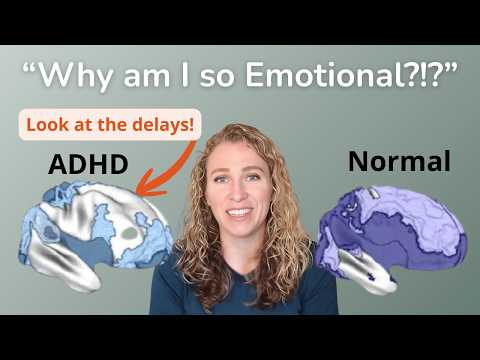
Hey you! So, let’s talk about something that’s not always easy to discuss—ADHD rage. It’s that moment when emotions just explode, right? You can feel it building up like a pressure cooker. Seriously, it can hit out of nowhere!
Este blog ofrece contenido únicamente con fines informativos, educativos y de reflexión. La información publicada no constituye consejo médico, psicológico ni psiquiátrico, y no sustituye la evaluación, el diagnóstico, el tratamiento ni la orientación individual de un profesional debidamente acreditado. Si crees que puedes estar atravesando un problema psicológico o de salud, consulta cuanto antes con un profesional certificado antes de tomar cualquier decisión importante sobre tu bienestar. No te automediques ni inicies, suspendas o modifiques medicamentos, terapias o tratamientos por tu cuenta. Aunque intentamos que la información sea útil y precisa, no garantizamos que esté completa, actualizada o que sea adecuada. El uso de este contenido es bajo tu propia responsabilidad y su lectura no crea una relación profesional, clínica ni terapéutica con el autor o con este sitio web.
I’ve seen friends go from chill to utterly frustrated in seconds. It’s kinda wild—and honestly a bit scary! But here’s the thing, there’s more beneath the surface than just anger. It’s like a rollercoaster ride of feelings that can surprise even the person experiencing it.
You know what? Understanding this emotional intensity could make a huge difference for us all. Let’s unpack this together and see what really goes on behind that fiery rage! Sound good?
Understanding Emotional Awareness in Individuals with ADHD: Common Challenges and Insights
So, let’s talk about emotional awareness and ADHD—it’s a big deal! You see, people with ADHD often have a tough time recognizing and managing their feelings. This can lead to some intense situations, especially when those strong emotions go unchecked. And that’s where we get into something called “ADHD rage.”
What is ADHD Rage? It’s not some kind of superhero power. It’s actually an emotional response where frustration or anger feels magnified. Imagine playing a video game where you keep failing at the same level; you might feel that rush of anger build up—not just mildly annoyed but really angry, like you want to throw the controller. For someone with ADHD, this response can hit harder.
- Difficulty Identifying Feelings: Many people with ADHD struggle with pinpointing what they are actually feeling. Is it frustration? Anger? Sadness? They might mix these emotions up, making it hard to express themselves clearly.
- Impulsivity: Impulse control issues are common in folks with ADHD. So when emotions rise—like after being cut off in traffic—they might react without thinking first. This impulsiveness can lead to outbursts that feel uncontrollable.
- Heightened Sensitivity: Those with ADHD may experience feelings more intensely. Even small annoyances can feel like big deals because their emotional thresholds differ from others’.
This complexity doesn’t make things easy for anyone involved; let’s say your friend has ADHD and starts yelling during a heated discussion about what movie to watch. You might think they’re overreacting, but for them, it feels legitimate in that moment.
Lack of Coping Strategies: If someone hasn’t learned healthy ways to manage their emotions—like taking deep breaths or stepping away from situations—they’re likely to respond explosively instead. It’s like trying to play a game without knowing the rules; you’ll probably lose your cool pretty fast!
- The Role of Environment: Stressful environments can amplify these emotional experiences too. Imagine being surrounded by noise and chaos all day; it’s overwhelming!
- Cognitive Overload: When there’s too much going on in their minds simultaneously—like juggling work deadlines, personal issues, and social obligations—it leads to a mental traffic jam that can trigger outbursts.
You might wonder if this means everyone with ADHD will experience these rage episodes all the time—not necessarily! Emotional experiences are unique for each person.
Some might handle stress better than others depending on their individual coping mechanisms and support systems.
The Silver Lining: The good news is that learning emotional awareness can help folks manage these intense feelings better! They can work on techniques like mindfulness or even talk therapy—these tools help them recognize triggers before the emotions explode.
So remember, understanding emotional awareness in individuals with ADHD isn’t just about identifying the challenges—it also opens pathways for insights and growth! Everyone deserves tools for healthier communication and self-expression without fear of judgment.
If you or someone you know has ADHD struggles like this one—it’s totally okay! Reaching out for professional help is always a solid option. You know? We all need support sometimes!
Understanding ADHD Rage Attacks in Adults: Causes, Triggers, and Management Strategies
ADHD, or Attention-Deficit/Hyperactivity Disorder, isn’t just about not being able to focus or sitting still. For many adults, it comes with something unexpected: rage attacks. Let’s break this down together.
First off, what’s a rage attack? Imagine you’re playing your favorite video game, and everything is going fine. Then, bam! The internet lags right when you’re about to make a killer move. Frustration spikes and suddenly you’re yelling at the screen, right? Well, that emotional intensity can happen in real life too with ADHD.
So, what causes these rage attacks? Here’s where it gets interesting:
- Emotional Overwhelm: Adults with ADHD often deal with more intense feelings than those without the disorder. Simple frustrations can feel like big deals.
- Frustration Tolerance: Often low in folks with ADHD. When things don’t go as planned or when there are too many distractions, the frustration can bubble over.
- Impulse Control: It’s like having a car without brakes! You might react before thinking through your response.
You know what? Sometimes it’s not just about the immediate situation. Past experiences play a huge role too. If you’ve had a rough day at work or if personal life is stressing you out, even small annoyances can trigger an explosion of emotion.
And let’s talk about triggers! These are specific situations that could lead to an outburst:
- Noisy Environments: Imagine trying to focus in a crowded café while your mind races – super hard!
- Tight Deadlines: When your workload piles up and everything seems urgent!
- Lack of Sleep: Seriously, who feels calm after pulling an all-nighter?
The feeling behind these rage attacks can be incredibly isolating. It’s like being stuck in a rollercoaster where your emotions take control of the ride! You might find yourself feeling guilty afterward for losing your cool — it’s tough!
If you or someone you know is experiencing these kinds of emotions regularly, managing them becomes essential. Here are some strategies worth considering (and remember: talking to a professional is crucial):
- Meditation and Mindfulness: These practices can help ground you and provide better emotional regulation skills.
- Avoid Certain Triggers: If you know that loud places make things worse for you, maybe opt for quieter locations when possible.
- Cognitive Behavioral Therapy (CBT):This helps in understanding patterns that lead to anger and finding healthier responses!
Lifestyle changes matter too! Regular exercise can work wonders on mood regulation by releasing endorphins — those happy chemicals! Eating well plays into this as well; think of food as fuel for your emotional engine!
The thing is though: everyone experiences anger sometimes; it’s human! What sets ADHD-related rage apart is its intensity and frequency. Being aware of this distinction helps in seeking support and understanding yourself better.
If you’re feeling overwhelmed by these intense emotions or if they’re impacting your relationships or work life seriously, reaching out for help really matters. There are professionals who specialize in ADHD who can offer personalized guidance tailored just for you —something like having a personalized cheat sheet for life!
This stuff isn’t easy but knowing more about it? That’s definitely empowering!
Understanding ADHD Rage Attacks in Children: Causes, Triggers, and Management Strategies
ADHD, or Attention-Deficit/Hyperactivity Disorder, can sometimes bring about emotional explosions in children that feel like a raging storm. These rage attacks can be intense and confusing for both the child and the people around them. But what exactly causes these outbursts?
Well, first off, it’s essential to understand that ADHD affects self-regulation. This means kids might struggle to control their emotions, leading to feelings of frustration and anger boiling over. It’s like trying to keep a beach ball submerged underwater – eventually, it just bursts out! You see this in situations where they’re overwhelmed or feeling misunderstood.
- Causes: Various factors contribute to these rage attacks:
- Frustration with tasks: Tasks that require focus can be challenging for kids with ADHD.
- Social misunderstandings: They might misinterpret social cues or feel rejected by peers.
- Sensory overload: Noisy environments or chaotic situations can trigger emotional meltdowns.
A quick example: imagine you’re playing a video game that’s super challenging, and you keep losing. Each time you fail, your frustration builds until you just want to throw the controller! Kids with ADHD experience similar feelings but might express it as an outburst instead of tossing a game controller.
The situation becomes even trickier when certain triggers are present. You know how sometimes certain smells or sounds can irritate you? For kids with ADHD, triggers can be much more pronounced.
- Common triggers include:
- Crowded spaces: Too many people at once can feel overwhelming.
- Lack of structure: Unpredictable routines make them anxious.
- Boredom: When they aren’t engaged, emotions might flare up quickly!
The good news is there are ways to help manage these rage attacks! Think of it as learning strategies for leveling up in your favorite game. Here are some methods parents and caregivers find useful:
- Create a calm-down space: A designated quiet zone can help kids regroup when feelings get intense.
- Teach breathing exercises: Simple techniques like deep breathing can help soothe the storm inside their heads.
- Simplify tasks: Breaking down homework into smaller chunks makes things less overwhelming!
This isn’t a one-size-fits-all situation though; every child is unique. Keeping communication open about their feelings is crucial too! Ask them what they need when they feel those frustrations building up. It’s like giving them the cheat codes for handling tough levels in life.
If things get really tough—like those rage attacks become frequent or unmanageable—don’t hesitate to reach out for professional guidance. A therapist who specializes in ADHD could offer tailored strategies specific to your child’s needs. After all, you’re not alone on this journey!
You know what? Understanding these emotional intensity levels behind ADHD rage attacks is key! When we get what drives those emotions, we can support our kiddos better in managing their feelings. And hey—every small step counts towards creating a calmer environment for everyone involved!
So, ADHD rage. It sounds intense, right? But the truth is, if you’ve got ADHD or know someone who does, you might have seen this emotional rollercoaster up close. It’s not just about being angry; it’s like a volcano has erupted inside you – and bam, there goes everything!
Let me share a little story. A friend of mine, let’s call her Sarah, has ADHD. One day she was at a coffee shop trying to get some work done. Suddenly, the barista messed up her order. It was like someone flipped a switch in her head. She went from chill to furious in seconds. It wasn’t just about the coffee; it was all these layers of frustration that built up over time. And whoa! Watching it happen was like witnessing a storm come outta nowhere.
Now, you might be wondering why this happens. Well, people with ADHD often struggle with regulating emotions because their brains process things differently – almost like they’re hooked up to a supercharged battery! This emotional intensity can lead to meltdowns or outbursts that seem disproportionate to what triggered them.
But hang on! It’s essential to remember that this isn’t just “bad behavior.” There’s so much going on beneath the surface. When your brain feels overwhelmed with distractions or frustrations piling up – even little ones – those feelings can explode unexpectedly.
And here’s the kicker: once that rage has passed, many feel shame or guilt about how they reacted. They’re left thinking things like “Why did I let that get to me?” And honestly? That cycle can be really tough to break.
To manage these moments better means getting familiar with yourself and your triggers! Understanding what tends to push those buttons is super helpful for coming up with coping strategies before the next eruption happens!
Breathing techniques can help too – simple stuff like taking deep breaths or counting slowly to ten can sometimes ground you in those heated moments. Maybe even stepping away for a sec or chatting it out with someone supportive? Each small step helps build awareness and control over those powerful emotions.
Rage isn’t easy for anyone dealing with ADHD or for those around them either but understanding where it comes from makes all the difference. In the end, we’re all just trying to figure this out together while navigating through life’s ups and downs; support goes a long way in helping manage that emotional intensity better!