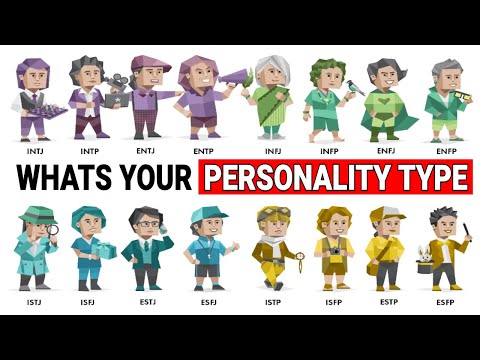
Hey, you! So, let’s chat about something that’s been buzzing around a lot lately: MBTI categories. Yeah, I know, it sounds all technical and stuff, but don’t worry. We’re keeping it chill here.
You’ve probably heard people talk about being an INTJ or ESFP or something like that. But what does it even mean? Like, seriously!
Este blog ofrece contenido únicamente con fines informativos, educativos y de reflexión. La información publicada no constituye consejo médico, psicológico ni psiquiátrico, y no sustituye la evaluación, el diagnóstico, el tratamiento ni la orientación individual de un profesional debidamente acreditado. Si crees que puedes estar atravesando un problema psicológico o de salud, consulta cuanto antes con un profesional certificado antes de tomar cualquier decisión importante sobre tu bienestar. No te automediques ni inicies, suspendas o modifiques medicamentos, terapias o tratamientos por tu cuenta. Aunque intentamos que la información sea útil y precisa, no garantizamos que esté completa, actualizada o que sea adecuada. El uso de este contenido es bajo tu propia responsabilidad y su lectura no crea una relación profesional, clínica ni terapéutica con el autor o con este sitio web.
Well, these letters are just a peek into the wild world of personalities. They help us understand ourselves and others a bit better. And trust me, there’s way more to this than just taking some quiz online.
So grab your favorite drink and let’s break it down together!
Understanding the 16 Personality Types: A Comprehensive Guide to Myers-Briggs Type Indicator
The Myers-Briggs Type Indicator (MBTI) is like a personality quiz that helps you uncover your unique style of thinking and interacting with the world. Created by Isabel Briggs Myers and her mother, Katharine Cook Briggs, it’s based on Carl Jung’s theory of psychological types. There are **16 distinct personality types** in total, each identified by a four-letter code. It’s a fun way to understand yourself better and see what makes you tick!
So, how does it work? The MBTI assesses you across four different dimensions:
- Extraversion (E) vs. Introversion (I): This dimension looks at where you focus your attention. Extraverts tend to be outgoing and energized by social interactions, while introverts find their energy from spending time alone or in small groups.
- Sensing (S) vs. Intuition (N): This one explores how you process information. Sensing types prefer concrete facts and details, while intuitive types are all about the bigger picture and concepts.
- Thinking (T) vs. Feeling (F): Here, we check how you make decisions. Thinking types rely on logic and objective analysis; feeling types prioritize emotions and personal values.
- Judging (J) vs. Perceiving (P): This dimension relates to how you approach life and structure your world. Judging types like things settled and prefer planning; perceiving types are more spontaneous and flexible.
Each of these pairs creates a combination that leads to one of the 16 personality types, like INFJ or ESTP—a bit like character classes in video games! Think of it this way: just as each character has strengths and weaknesses that influence gameplay, each personality type shines in different areas.
Let’s take a look at a couple of examples to really bring this to life:
– If you’re an **ENTJ**, you’re often seen as a natural leader who thrives in strategic thinking situations—maybe you’d be great at running a guild in an MMO!
– On the flip side, if you’re an **ISFP**, you might be more artistic or sensitive, enjoying creativity over competition—think of someone who designs incredible landscapes in game creation.
Now, why do these categories matter? Recognizing your type can help improve relationships—whether it’s at home or work—and assist with career paths that feel fulfilling for you.
Understanding yourself can also foster empathy towards others! For example:
– If you’re having trouble with someone who’s detail-oriented *(like an ISFJ)* when you’re more big-picture *(like an ENFP)*—well, knowing their type might explain why they keep asking for specifics when all you want is to brainstorm ideas!
Overall, knowing about the 16 personalities isn’t just about slapping on labels; it’s about understanding diversity in thinking styles. It’s kind of like studying different play styles in games—you learn not everyone approaches challenges the same way!
Just remember though: while the MBTI can provide insights into personal preferences—it doesn’t replace professional help if you’re struggling with deeper issues.
So there we go! A quick dive into the fascinating realm of personality typology using MBTI! It might even inspire some light-hearted discussions among friends about which Hogwarts house they would fit into—or what class they’d pick for their D&D campaigns!
Understanding MBTI Letters: A Comprehensive Guide to Their Meaning and Significance
The Myers-Briggs Type Indicator, or MBTI for short, is like a personality snapshot. It’s kind of fun, and it can help you understand yourself and others better. MBTI is based on four pairs of opposing traits that form 16 unique personality types. Each type is represented by a combination of four letters. Let’s break that down, shall we?
- E or I: Extraversion vs. Introversion.
Extraverts get energized by social interactions, while introverts recharge through solitude. Imagine going to a party; if you can’t wait to dive into conversations, you’re likely an E. But if you’d rather curl up with a book at home, then you’re probably an I. - S or N: Sensing vs. Intuition.
Sensing folks focus on the present and rely on their five senses for information. On the flip side, intuitive people think about the big picture and enjoy abstract ideas. Think of it like playing a game: Sensors see the immediate obstacles in front of them while Intuitives are plotting strategies for later levels. - T or F: Thinking vs. Feeling.
Thinkers prioritize logic and objective criteria in decision-making, whereas Feelers take how decisions affect people into consideration. So when making a choice about dinner, Thinkers might say «the pasta is healthier,» while Feelers might ask «what does everyone else want?» - J or P: Judging vs. Perceiving.
Judgers prefer structure and decisiveness; they’re your planners who love schedules! Perceivers like being open and flexible with their time and options—like someone who loves spontaneous road trips without a preset route.
Putting these letters together forms your MBTI type—like INFP, ESTJ, or ENTP—which gives you insights into how you think, feel, and interact with the world.
Now here’s where things get interesting: MBTI can help in various settings! For example:
- In teams at work or school: Understanding each other’s types can improve communication and collaboration—like knowing who’s great at brainstorming ideas versus who excels at organizing projects.
- In friendships: Knowing your friends’ types can explain why some don’t enjoy deep conversations late at night while others thrive in those moments!
- In relationships: It shines light on compatibility strengths and challenges—like why one person loves planning dates weeks in advance while another prefers to wing it.
But hey, remember this isn’t some kind of scientific gospel! It’s just one way to reflect on behavior patterns—it doesn’t encapsulate everything about you or anyone else! Using MBTI can be enlightening but should never replace professional psychological advice if you need help navigating real-life issues.
The cool part? You might find that understanding these categories adds layers to your interactions—with friends, family, even strangers! So whether you’re looking to improve teamwork skills at work or aiming to understand your loved ones better during game night debates over who gets to pick the next board game (no hard feelings here!), tying back an understanding of these MBTI letters could make all those connections feel richer.
Curious about which type resonates with you? There are tons of resources online where you can take assessments that might give more insights into your personality!
Understanding MBTI Personality Types: A Comprehensive Guide to Personality Assessment and Traits
So, let’s talk about MBTI, shall we? The Myers-Briggs Type Indicator is a popular tool for figuring out how people perceive the world and make decisions. It’s based on Carl Jung’s theories, but like, made more user-friendly. Hey, if you’ve ever taken one of those quizzes and found out you’re an ENFP or an ISTJ, you’re not alone!
The MBTI has 16 personality types divided into four main categories. Each category consists of two opposing traits. So it kind of gives you a mix-and-match situation with your personality type. Here’s the breakdown:
- Extraversion (E) vs. Introversion (I)
- Sensing (S) vs. Intuition (N)
- Thinking (T) vs. Feeling (F)
- Judging (J) vs. Perceiving (P)
Let’s break these down a bit, shall we?
First up is **Extraversion** versus **Introversion**. Extraverts are energized by social interactions and typically enjoy being around people while introverts recharge in solitude and prefer smaller groups or alone time. It’s like that moment in a video game where your character gets to choose: do you want to team up with others or go on a solo quest?
Next, we have **Sensing** and **Intuition**. Sensors focus on concrete information gained from their senses; they love details and practical facts—think of them as the players who study every tiny aspect of their game environment before making a move! On the flip side, Intuitives prefer to look at the bigger picture and think abstractly; they’re often drawn to possibilities rather than present realities.
Then comes **Thinking** versus **Feeling**. Thinkers prioritize logic and objectivity when making decisions—they’re like those players who analyze every stat before deciding which character gets the best gear! Feelers place more value on emotions and personal values; they consider how decisions impact others emotionally—like choosing to help fellow players just because it’s the right thing to do.
Finally, there’s **Judging** versus **Perceiving**. Judgers prefer structure and order; they’re like that friend who loves making plans weeks ahead! Perceivers enjoy flexibility and spontaneity; they’re often up for anything last minute—sort of like when you suddenly decide to switch game nights to something totally different just because it sounds fun!
So why should you care about all this? Well, understanding these types can improve your relationships with friends, family or even colleagues at work! It’s honestly pretty cool how knowing yourself better helps you connect with others.
But hey, remember this isn’t some magic wand that fixes everything—if you’re feeling really lost or struggling emotionally seek professional help because MBTI isn’t therapy.
In summary:
- The MBTI categorizes personalities into 16 unique types.
- It helps us understand our preferences in energy sources, info processing, decision-making styles & lifestyle choices.
- Understanding your type can improve communication & relationships.
Get what I’m saying? Each type gives insights into not just who you are but how you relate to the world around you—and isn’t that worth understanding a little better?
You know, when I first stumbled across the MBTI categories, I was a bit skeptical. Like, really? A personality test is going to tell me who I am? It felt a bit gimmicky at first. But then, I took the plunge and did the test. Holy moly! The results kind of blew my mind.
So, here’s the lowdown: MBTI stands for Myers-Briggs Type Indicator. It’s this tool that sorts people into 16 different personality types based on four dichotomies. Seriously, it’s like getting a little peek into how you tick!
Let’s break it down a bit. You’ve got:
- Introversion (I) vs. Extraversion (E) – This one’s about where you get your energy from. Are you recharging your batteries alone or in a crowd?
- Sensing (S) vs. Intuition (N) – Do you focus more on the present details or do you like to think about future possibilities? It’s like choosing between what’s right in front of you or what’s coming next.
- Thinking (T) vs. Feeling (F) – Are decisions made with logic or are they rooted in your feelings? It’s two different ways of making sense of this crazy world.
- Judging (J) vs. Perceiving (P) – Do you prefer structure and plans or are you more go-with-the-flow? This shapes how you approach life.
I remember one time sharing my type—let’s say I’m an INTJ—with my friends over coffee. They laughed and said it explained so much about me! I mean, they weren’t wrong. It was oddly liberating to see myself reflected back through those categories.
But here’s where it gets even cooler: understanding these types isn’t just some party trick; it can totally help improve your relationships too! Knowing that your buddy is an ESFP can make perfect sense when they’re bouncing off walls at parties while you’re quietly savoring the atmosphere in a corner.
And honestly, this isn’t just about putting people in boxes—it’s more like inviting them to step out of those boxes just enough to understand their quirks better! You can see why someone might react differently than you’d expect if they’re wired differently than you.
So yeah, while MBTI isn’t perfect and should never be taken as gospel truth, it can give us that nifty framework for understanding ourselves and others better—like having a secret decoder ring for social interactions!
In the end, whether you’re skeptical or fully on board with it all, it’s worth taking a moment to reflect on how these categories might help deepen connections and spark conversations about who we really are as people. And isn’t that what life’s all about?