So, let’s talk about the MBTI. You know, the Myers-Briggs Type Indicator? It’s that fun personality quiz that tells you if you’re a “J” or an “E.”
Este blog ofrece contenido únicamente con fines informativos, educativos y de reflexión. La información publicada no constituye consejo médico, psicológico ni psiquiátrico, y no sustituye la evaluación, el diagnóstico, el tratamiento ni la orientación individual de un profesional debidamente acreditado. Si crees que puedes estar atravesando un problema psicológico o de salud, consulta cuanto antes con un profesional certificado antes de tomar cualquier decisión importante sobre tu bienestar. No te automediques ni inicies, suspendas o modifiques medicamentos, terapias o tratamientos por tu cuenta. Aunque intentamos que la información sea útil y precisa, no garantizamos que esté completa, actualizada o que sea adecuada. El uso de este contenido es bajo tu propia responsabilidad y su lectura no crea una relación profesional, clínica ni terapéutica con el autor o con este sitio web.
Honestly, it can get a little deep, but hey, that’s the fun part! I mean, figuring out why you do what you do can be kind of eye-opening.
I remember taking the test for the first time and thinking, «Wow, this makes so much sense!» It’s like looking in a mirror and seeing all those quirks and traits laid out. Super cool, right?
Whether you’re into psychology or just curious about yourself (or your friends), this is gonna be an interesting ride! Ready to dive into who you really are?
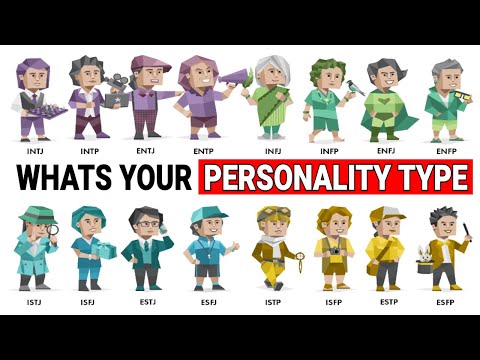
Understanding INTJ, INTP, ENTJ, and ENTP Personality Types: Key Characteristics and Differences
- INTJ – The Mastermind
INTJs are known for their strategic thinking and high standards. They love to plan things out, like a chess player thinking several moves ahead. You might know someone who dives deep into everything, right? That’s an INTJ for you. They value intelligence and efficiency above all.
- Key Traits:
- Independent thinkers who rely heavily on their intuition.
- Tend to be very analytical, often seen as perfectionists.
- Value knowledge and are always on the lookout for ways to improve themselves.
You know what? An INTJ could totally be that friend who spends hours perfecting a strategy in a video game like Civilization, making sure every detail is just right.
- INTP – The Thinker
Now let’s move on to INTPs. These folks are known as the philosophers of the personality types. They get lost in thought and often ponder life’s big questions—very much like characters in a deep story-driven RPG.
- Key Traits:
- Adept at analyzing complex problems from multiple angles.
- Curious about everything, constantly seeking new information.
- Sometimes struggle with practical matters since they’re so focused on ideas.
Imagine an INTP diving into the lore of a game like Dark Souls, piecing together different narratives while everyone else just wants to defeat the boss!
- ENTJ – The Commander
Next up is the ENTJ, or the natural leaders. These guys thrive in organizing teams and projects; think of them as the generals in any given situation. They’re very goal-oriented and decisive.
- Key Traits:
- Extremely driven and ambitious; they go after what they want!
- Tend to be outspoken during discussions, often stepping into leadership roles.
- Loyal but expect loyalty in return—relationships are important to them.
You can picture an ENTJ pulling together friends for a team-based game like Overwatch, outlining strategies while keeping everyone motivated.
- ENTP – The Debater
Finally, there’s ENTPs! These personalities love debates and engaging conversations; they often think outside the box. They’re spontaneous and creative problem-solvers who love to challenge existing ideas.
- Key Traits:
- Eagerly seek new experiences; they dislike monotony!
- Tend to enjoy exploring theories from many angles without emotional bias.
- Solved problems in innovative ways but sometimes lack focus on one thing at a time.
.
Imagine an ENTP enjoying intense discussions with fellow gamers about strategy changes or plot twists in games like The Witcher 3! They thrive on sharing perspectives!
So basically, whether you’re interacting with an INTJ’s precision, an INTP’s curiosity, an ENTJ’s leadership or an ENTP’s playful banter, each type brings something unique to any relationship—be it friendships or work partnerships.
It’s important to remember that these traits don’t define anyone completely; it’s all about understanding yourself better! And hey, if you’re feeling confused or need personal guidance? Don’t hesitate to reach out to a professional for help!
Understanding Your MBTI Personality Type: Insights and Discussions from Reddit
So, let’s chat about MBTI, or the Myers-Briggs Type Indicator if you want to be all formal about it. This personality test has gained a ton of traction, especially on platforms like Reddit. It’s all about figuring out who you are and why you might click with some people but not others. If you’ve ever felt like your personality just fits into a certain box—well, MBTI gives you four letters that outline your preferences.
First off, the test sorts people into **16 distinct personality types** based on four main categories: Extraversion (E) vs. Introversion (I), Sensing (S) vs. Intuition (N), Thinking (T) vs. Feeling (F), and Judging (J) vs. Perceiving (P).
You know how when playing RPGs, some characters are more in-your-face like warriors while others are more strategic like wizards? That’s kind of what MBTI does—it helps you figure out if you’re more of a go-getter or a ponderer.
Here’s the breakdown:
- Extraversion vs. Introversion: Extraverts thrive in social situations and feel energized by interacting with others. Introverts, on the other hand, recharge by spending time alone.
- Sensing vs. Intuition: Sensors focus on concrete facts and details; they’re all about what’s happening now. Intuitives prefer abstract theories and future possibilities.
- Thinking vs. Feeling: Thinkers make decisions based on logic and objective criteria; Feelers prioritize emotions and the impact on people.
- Judging vs. Perceiving: Judgers like structure and decided plans—think of them as planners who enjoy knowing what’s coming next! Perceivers tend to go with the flow, preferring spontaneity.
So say you’re an INFJ—Introverted, Intuitive, Feeling, Judging—you might find yourself drawn to deep conversations over small talk and feel fulfilled when helping others.
Remember that everyone is unique though! Like trying to complete a tricky video game level solo versus teaming up for multiplayer fun—you can approach life differently based on your type.
Now, Reddit is full of discussions where people share experiences related to their MBTI types. Some folks post questions like “Does being an INTP make me socially awkward?” And the responses? They’re often funny but insightful! You see everything from personal anecdotes to memes that totally nail it for certain types.
Just last week I saw someone lamenting how as an ESFJ they can’t stop throwing parties! But then another user chimed in saying their INTJ friend would much rather have one-on-one chats over coffee instead of any big gathering. It goes to show just how diverse our personalities can be even within a single type—which keeps things interesting!
However—and this is super important—while MBTI can help shed light on some aspects of your personality, it’s not a fix-all answer for mental health issues or personal struggles. If you’re feeling overwhelmed or lost in life choices or dealing with tough stuff emotionally? Chatting with a therapist might be a really good idea!
So there you have it—a bit about diving into your MBTI type through Reddit’s lens! Whether it’s humor or deeper insights you’re after, there’s always something new to learn from fellow enthusiasts out there sharing their journeys too.
In short? Your personality type gives you clues about yourself but don’t forget that we’re all works in progress—evolving every day!
Understanding the Myers-Briggs Type Indicator: A Comprehensive Guide to MBTI Types and Applications
You know, personality tests can be pretty fascinating. One that often comes up in conversation is the **Myers-Briggs Type Indicator (MBTI)**. It’s not just a fun quiz you take on a whim; it was developed from Carl Jung’s theory of psychological types. Basically, the MBTI helps you understand yourself and people around you better by assigning one of 16 personality types based on four different dimensions.
- Extraversion (E) vs. Introversion (I): This dimension looks at how you recharge your energy. Do you feel more energized by being around others (E), or do you prefer solitude (I)? Think of E as that outgoing friend who thrives in a crowd, while I is like your cozy buddy who loves a good book night.
- Sensing (S) vs. Intuition (N): Here, we’re diving into how you take in information. Sensing types focus on concrete facts and details—they’re practical and trustworthy. Intuitive types, on the other hand, look for patterns and possibilities; they’re big-picture thinkers who often love brainstorming ideas.
- Thinking (T) vs. Feeling (F): This one’s about decision-making. Thinking folks tend to prioritize logic and objectivity, while feeling types are driven by personal values and emotions. So if you’re battling with whether to dive into the latest action game or nurture your emotional side with story-driven adventures—this dimension might explain why!
- Judging (J) vs. Perceiving (P): This aspect reveals how you deal with the outside world. Judging types prefer structure and planning—they love having things settled, whereas perceiving types are more spontaneous and adaptable to change.
Now picture this: You’re playing a strategic game like chess versus a fast-paced game like Mario Kart. Chess players might lean towards the **Judging** side—planning their moves ahead—while Mario Kart fans might embrace **Perceiving**, going with the flow and making quick decisions as they race.
Once you know your type—a combination of those letters like INFJ or ESTP—it gives you insight into your strengths and weaknesses, even how you interact in relationships or work environments.
So why does this matter? Well, understanding your personality type can help improve communication with others—it’s like learning their language! For instance, if you’re an **ENFP** surrounded by **ISTJs**, knowing they lean towards practicality can help bridge any gaps in conversations.
But let’s not forget: it’s important to treat MBTI as a tool rather than a definitive explanation of who someone is! It doesn’t replace professional help or give the whole picture about someone’s personality.
In essence, the Myers-Briggs Type Indicator opens up avenues for self-reflection and growth but isn’t a blanket label for everyone we meet! So next time you’re chatting with friends about personality types, keep it light but informative—and maybe dig into what those letters actually stand for!
Alright, let’s talk about the MBTI, also known as the Myers-Briggs Type Indicator. You know, that personality test that seems to pop up everywhere? If you haven’t taken it yet, maybe you’re missing out on a fun way to understand a bit more about yourself.
So, here’s the thing: the MBTI breaks down personality into 16 different types based on four pairs of oppositions. Think of it like sorting people into different groups based on how they think and act. You got Introversion vs. Extraversion (I vs. E), Sensing vs. Intuition (S vs. N), Thinking vs. Feeling (T vs. F), and Judging vs. Perceiving (J vs. P). It sounds a bit complicated but hang tight—it’s not as deep as it might seem.
I remember when I first took the test in college; I was sitting there with my friends, each of us anxiously clicking through questions like we were making a life-changing decision or something! When my result popped up—ENFP—I was kind of stunned but also relieved; now I had something to blame for being spontaneous and maybe a little too enthusiastic sometimes! My friend got ISTJ and immediately started thinking about how organized she needed to be for her future job—no pressure or anything.
So, what does this mean for you? Well, knowing your type can give you some cool insights into your preferences and tendencies. Like if you’re an introvert, maybe large parties drain your energy after a while while smaller gatherings fuel you up! Or if you’ve got feeling traits in your profile, you might find that decisions rooted in emotions resonate way more than straight-up logic.
But here’s the kicker: don’t let this define who you are completely! Sure, it gives some fun perspectives on behavior patterns and communication styles; however, people are so much more complex than just one type label—or even four letters can convey!
That said, talking about these types with friends or colleagues can be a blast! It opens up discussions about how each other views situations differently or why one person loves planning everything while another flies by the seat of their pants.
And hey, don’t feel bad if you’re still figuring out where you fit in all of this; personality is fluid! We grow and change over time based on experiences life throws our way.
So take it easy with all this info; use it as an adventure map rather than a strict guideline. You might discover things that surprise even yourself along the journey—like why sometimes you just need to retreat to recharge or why certain activities spark joy in your life while others make you want to run screaming for the hills!