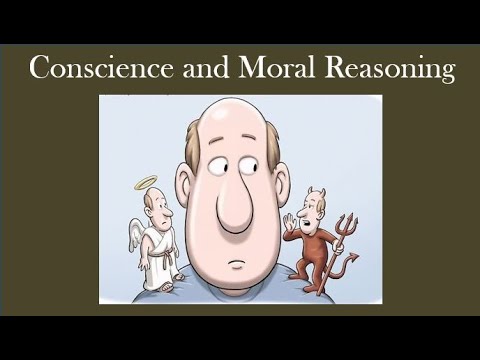
You know those moments when you’re staring at a massive decision, and you just freeze? Yep, we’ve all been there. It’s like your brain hits pause, and suddenly you’re overthinking everything.
Este blog ofrece contenido únicamente con fines informativos, educativos y de reflexión. La información publicada no constituye consejo médico, psicológico ni psiquiátrico, y no sustituye la evaluación, el diagnóstico, el tratamiento ni la orientación individual de un profesional debidamente acreditado. Si crees que puedes estar atravesando un problema psicológico o de salud, consulta cuanto antes con un profesional certificado antes de tomar cualquier decisión importante sobre tu bienestar. No te automediques ni inicies, suspendas o modifiques medicamentos, terapias o tratamientos por tu cuenta. Aunque intentamos que la información sea útil y precisa, no garantizamos que esté completa, actualizada o que sea adecuada. El uso de este contenido es bajo tu propia responsabilidad y su lectura no crea una relación profesional, clínica ni terapéutica con el autor o con este sitio web.
Choosing between two job offers, deciding on a move, or even picking what to have for dinner can feel like trying to solve a Rubik’s cube blindfolded! Crazy, right?
But hey, it doesn’t have to be that way. Making decisions isn’t just about flipping a coin or asking your friends for their opinions (though that helps sometimes). There are some cool strategies that can totally make it easier.
So let’s chat about how to ditch the stress and make those choices with confidence! Sound good? Cool! Let’s get into it.
Effective Decision-Making Strategies: A Comprehensive Review of Choosing Wisely
Decision-making, huh? It’s something we all do every day. Whether it’s what to eat for breakfast or a major life choice, you’ve probably found yourself standing at a crossroads at some point. The way you make these choices can really shape your life, so let’s dig into some effective strategies that can help you choose wisely.
Know Your Values
First things first, understanding your values is crucial. If you’re faced with a choice, ask yourself: “What’s important to me?” For example, if you value health above all else, that might influence your decision to skip fast food for a home-cooked meal. When my friend was deciding between a high-paying job and one that offered more flexibility, it came down to what she valued more—she chose the flexible job because it matched her lifestyle better.
- Reflect on what matters most: Take a moment to write down your core values.
- Align decisions with those values: This will help guide you in tough spots.
Gather Information
Okay, now picture this: You’re about to buy a new phone. Wouldn’t you want to compare features and prices before making a decision? Absolutely! The same goes for bigger decisions. Sometimes we rush into choices without having all the facts.
- Do your research: Look into options before deciding.
- Ask others for advice: Friends and family can provide different perspectives.
I remember when I was choosing a college. I called up students from different schools and asked them about their experiences. That information helped me make an informed choice that felt right!
Consider the Consequences
Every decision has consequences—good or bad. It’s good practice to think ahead about these outcomes before jumping in headfirst.
- Ask “What if?”: This helps visualize potential futures.
- Create pros and cons lists: Writing things down can clarify your thoughts.
For instance, if you’re thinking of moving away for work, consider how it will affect your relationships and lifestyle. It really helps put everything into perspective!
Avoid Decision Fatigue
Feeling overwhelmed by choices? You’re not alone! Decision fatigue happens when you’ve got too many choices on your plate—it drains your mental energy.
- Simplify options when possible: Try limiting choices to just two or three.
- Create routines: Automate smaller decisions so you’ll have energy left for the big ones.
Think about how athletes often have strict routines before competitions—it reduces unnecessary decisions so they can focus on performance instead!
Sit With Your Decision
Once you’ve made a choice, give yourself time to sit with it before diving in! Jumping straight in without reflection can lead to second-guessing later on.
- Breathe and process: Take time to feel comfortable with your choice.
- Acknowledge feelings: It’s healthy to recognize anxiety or excitement about the decision!
When I switched jobs last year, I took a few days just think about my reasons behind the change. And guess what? That reflection helped me feel confident in my move!
Dare To Change Course
Sometimes things don’t go as planned—that’s totally okay! If you realize that you made a poor choice, it’s alright to change course.
- Create backup plans: Thinking ahead helps ease potential panic!
- Acknowledge mistakes as learning opportunities: Everyone makes them!
When my cousin decided to pursue her passion for art instead of sticking with her corporate job, she learned that being true to herself was worth the risk—talk about brave!
So there ya go! Using these strategies can make decision-making less daunting and more thoughtful. Remember though; this doesn’t replace professional help but offers some solid tools along life’s journey. Anyway, happy choosing!
5 Effective Strategies to Enhance Decision-Making Skills
Making decisions can sometimes feel like navigating a maze. You weigh your options, consider the consequences, and hope you don’t hit a dead end. Let’s explore some straightforward strategies to enhance your decision-making skills, so you can roll with confidence.
- Clarify Your Goals: Start by knowing what you want. It’s easy to get overwhelmed by choices, but when you have clear goals, it’s like having a map. For example, if you’re choosing a new job and you value work-life balance above all else, that goal will help steer your decisions during interviews or negotiations.
- Gather Relevant Information: Collect data that matters to your decision. Too much information can be paralyzing, so focus on what’s relevant. Think of it as playing a trivia game: instead of memorizing every fact under the sun, zero in on what helps you win.
- Consider Alternatives: Don’t settle for the first option that pops into your head. Brainstorm other potential choices and evaluate them against your goals. It’s like playing a choose-your-own-adventure game where each choice can lead you down different paths—some might be more rewarding than others!
- Reflect on Past Decisions: Take some time to think about decisions you’ve made before—both good and not-so-good ones. What worked? What didn’t? Just like in video games where you learn from past levels, analyzing those experiences can guide future choices and help avoid repeating mistakes.
- Trust Your Gut: Lastly, don’t dismiss your instincts! Sometimes our minds pick up on clues we aren’t consciously aware of. If something feels off about an option or super right about another one, pay attention. Overthinking can sometimes cloud judgment instead of clarifying it.
In the end, it’s about striking a balance between logic and intuition while ensuring you’re grounded in what truly matters to you. And hey, remember there are times when seeking guidance from friends or professionals might just be what you need to make that call! There’s no universal playbook for making decisions; just find what works for YOU!
Effective Decision-Making Strategies: How to Use Psychological Insights for Informed Choices
So, let’s chat about making decisions. You know, those moments when you’re standing in front of the fridge debating whether to go for leftovers or whip up something new. Choices can be tough! But don’t worry, there are some neat strategies grounded in psychology that can make your decision-making a bit easier and clearer.
Understand Your Biases
First off, it’s crucial to recognize your biases. We all have them—yes, even you! For example, there’s something called the “confirmation bias,” which is when we look for information that supports what we already believe. So if you think that pineapple on pizza is amazing (which it totally is), you might ignore any negative reviews. Just being aware of this tendency can help you take a step back and see the bigger picture.
List Pros and Cons
This one might sound old school, but it works! Writing down the pros and cons of a decision can clarify your thoughts. Let’s say you’re deciding whether to take a new job or stay where you are. You could write:
- Pros: Higher salary, new environment, career growth.
- Cons: Leaving old friends, potential stress of starting over.
Seeing everything laid out like this can help flip your perspective on things.
Use the 10/10/10 Rule
This is pretty cool. Ask yourself how you’ll feel about a decision in 10 minutes, 10 months, and 10 years. If you’re gonna regret diving into that last slice of cake ten months from now (or in ten years), maybe it’s time to reconsider! This method helps put things into context.
Limit Your Options
Believe it or not, having too many choices can lead to “choice overload.” Ever walked into a supermarket and felt paralyzed by all the cereal options? Cutting down your choices helps simplify things! For instance, if you’re debating between three different vacation spots instead of fifteen, you’re likely gonna find it easier to pick one without feeling overwhelmed.
Consult with Others
There’s wisdom in crowds—seriously! Sometimes bouncing ideas off friends or family can give you fresh insights that you hadn’t considered. Just make sure not to overload them with every choice (it’ll be like asking everyone what topping they want on the pizza). Instead, focus on those decisions that really matter to you.
Trust Your Gut
Intuition isn’t just some mystical force; it’s actually based on past experiences and knowledge stored in your brain. If something feels off about a choice you’re making—a pesky feeling in your stomach—it might be worth listening to that gut reaction sometimes!
Create Time Limits
Ever spent hours deliberating over what movie to watch? Setting time limits on decisions can keep things moving along without getting lost in analysis paralysis. Maybe give yourself ten minutes for smaller choices or a day for bigger ones—it keeps urgency while also giving space for thoughts.
At the end of the day, remember that no method will always lead you straight to *the* best choice every time because life isn’t perfect—it’s messy! Mistakes happen too; they’re just part of being human. And while these strategies help guide your decision-making process, they don’t replace seeking professional advice when needed.
So go ahead—apply these insights next time you’re faced with a choice and see how they change up your game!
Making choices can feel like standing at a crossroads, you know? You’ve got those paths stretching out before you, and each one seems to lead somewhere different. Some days, the options are pretty simple—like what to have for breakfast. Other days? It’s as if life hands you a Rubik’s cube of decisions, and you’re just trying to figure out how to align all the colors without losing your mind.
I remember once having to decide whether to take a job that offered a decent paycheck but would require moving away from my friends and family. It felt like both an exciting opportunity and this huge weight pressing down on me. I spent nights tossing and turning, weighing pros and cons in my head until I finally figured out that maybe just thinking wasn’t enough.
If you find yourself stuck in this decision-making rut sometimes, it’s okay! Here are a few strategies that can help clear the fog:
- Trust your gut: Seriously, your instincts can be pretty reliable! If something feels off about a choice, listen to that little voice.
- Take small steps: Sometimes breaking down decisions into bite-sized pieces makes them way less overwhelming. You don’t have to tackle everything at once.
- Consult others: I mean, talking things through with a friend can give you fresh perspectives. Plus it helps lighten the load!
- Imagine the future: Picture where each choice might lead you in five or ten years. This strategy can help clarify what really matters.
- Avoid perfectionism: Remember that not every decision has to be perfect! Sometimes good enough is truly… well, good enough!
You know what? Accepting that sometimes we’ll make mistakes is part of being human too. You’ll learn from those missteps—trust me on this one! Making decisions gets easier over time as long as we treat ourselves with kindness.
In the end, remember that every choice is just another brushstroke on the canvas of your life. So breathe deep; whatever path you choose can lead to something beautiful if you’re open to it.