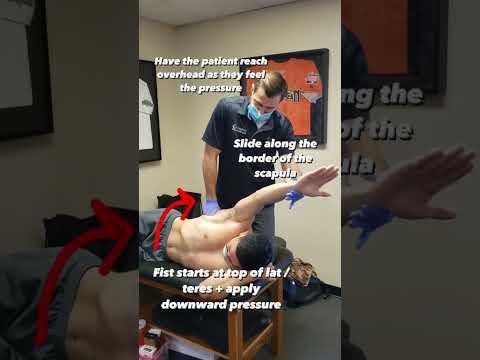
Hey there! So, let’s chat about something that can really mess with your day – latissimus dorsi pain. Ever felt that nagging ache in your back? You know, the kind that makes you wince when you reach for something? Yeah, that’s no fun.
Este blog ofrece contenido únicamente con fines informativos, educativos y de reflexión. La información publicada no constituye consejo médico, psicológico ni psiquiátrico, y no sustituye la evaluación, el diagnóstico, el tratamiento ni la orientación individual de un profesional debidamente acreditado. Si crees que puedes estar atravesando un problema psicológico o de salud, consulta cuanto antes con un profesional certificado antes de tomar cualquier decisión importante sobre tu bienestar. No te automediques ni inicies, suspendas o modifiques medicamentos, terapias o tratamientos por tu cuenta. Aunque intentamos que la información sea útil y precisa, no garantizamos que esté completa, actualizada o que sea adecuada. El uso de este contenido es bajo tu propia responsabilidad y su lectura no crea una relación profesional, clínica ni terapéutica con el autor o con este sitio web.
The latissimus dorsi is that big muscle in your back, running from your lower spine to under your arm. And when it’s unhappy, trust me, you’ll know it. Whether it’s from lifting too much weight at the gym or just slouching at your desk, this pain can sneak up on you.
But don’t worry! We’re gonna dig into why this happens and share some solid relief strategies. Seriously, I’ve got your back – literally!
Top 3 Exercises to Strengthen Your Latissimus Dorsi for Improved Performance
So, let’s chat about the latissimus dorsi, or “lats” for short. These muscles are super important for a bunch of activities, from lifting weights to hugging someone tight! But sometimes they can get cranky and lead to pain or discomfort. Strengthening them is essential, especially if you’re looking to perform better in your workouts or daily life. Here are some exercises that could really help.
1. Pull-Ups
Pull-ups are like the holy grail for building strong lats. They not only work your lats but also engage your arms and shoulders. To do a pull-up, hang from a bar with your palms facing away from you. Pull yourself up until your chin is over the bar and then lower yourself back down slowly. If you find them tough at first, no worries; using resistance bands can help.
2. Bent-Over Rows
This exercise targets more than just the lats; it’s great for back strength overall. Grab a dumbbell in each hand and hinge at the hips until your torso is almost parallel to the floor. With a slight bend in your knees, pull those dumbbells toward your waist while squeezing your shoulder blades together. It’s like you’re trying to pinch a pencil between them! This movement helps with stability and can alleviate some of that pesky lat pain.
3. Lat Pulldowns
Okay, so if you’re not quite ready for pull-ups or you prefer machines, lat pulldowns are here for you! Just sit at a cable machine with the bar above you. Grip it wider than shoulder-width apart and pull it down towards your chest while leaning back slightly. This is an awesome way to isolate those lats without straining too much.
- Remember: It’s super important to focus on form.
- If you’re feeling any sharp pain while doing these exercises, stop immediately.
- No exercise should replace proper medical advice!
The cool thing about strengthening your lats is that it can improve performance in sports too! Whether you’re swinging a baseball bat or paddling in kayaking, strong lats mean more power and control.
So if you’ve been battling lat pain or just want to level up your game, give these exercises a try! And hey, always consider chatting with a professional if things don’t feel right—they’ll know exactly what steps to take next!
Optimal Sleeping Positions to Alleviate Latissimus Dorsi Pain: A Practical Guide
Alright, let’s chat about something that’s probably a bigger deal than we realize: latissimus dorsi pain. You know, that aching feeling in your back that can throw off your whole vibe? It happens to the best of us. Whether it’s from lifting weights, bad posture, or just sleeping all twisted up like a pretzel, it can be a real bummer. But have you thought about how sleeping positions might play into this?
First things first, the latissimus dorsi, or «lats» as some folks like to call them, are those big muscles on your back that help with lots of arm movements. When they’re sore or strained, it can really mess with your day-to-day life — think lifting a grocery bag or even just reaching for the remote.
Okay, so let’s talk sleep! Your sleeping position can totally impact whether you wake up feeling like a champ or like you’ve wrestled an alligator. Here are some positions to consider:
- On Your Back: This is often considered one of the best positions for spinal alignment. Try placing a pillow under your knees; this helps reduce strain on your lower back and gives your lats a break.
- Pillow Under Your Arm: If you’re more of a side sleeper, using a pillow under the arm of the affected side can provide extra support and maybe even some relief. Think of it like giving your lats a little hug!
- The Fetal Position: Curling up slightly while lying on your side can help ease tension across your back. Just make sure you’re not too scrunched up; otherwise, you might wake up feeling stiff.
- Slightly Raised Position: If you’re dealing with pretty intense pain, elevating your upper body by propping yourself up with pillows could take pressure off those lats and help keep you comfy.
You know what? Sometimes simply switching positions throughout the night helps too! If you’re tossing and turning because of discomfort, you might find relief by experimenting with these options until you hit that sweet spot.
This is super important: if you’ve got chronic pain or sharp discomfort in that area, make sure to check in with a healthcare professional. They’ll have better strategies tailored just for you — I mean, they’re trained for this stuff! It’s one thing to have sore muscles from working out; it’s another when it’s messing with your daily life.
If you’ve played sports or been into fitness games where muscle recovery matters (like NBA 2K where it talks about fatigue impacting performance), then you get how important recovery is—even when we’re sleeping!
The bottom line is this: take care of yourself in ways that support good muscle health and pay attention to how different sleeping arrangements affect you personally. I hope this helps give those lats the TLC they need at night!
Understanding Latissimus Dorsi Pain During Twisting Movements: Causes and Psychological Considerations
Latissimus dorsi pain can really throw you off your game, especially when you’re trying to twist and turn, whether you’re playing sports or just doing everyday activities. This large muscle, which stretches from your lower back to your upper arms, plays a key role in movement. So when it starts acting up, you might feel it in ways that are pretty distracting.
Causes of Latissimus Dorsi Pain
- Muscle Strain: Overuse or sudden movements can cause strains. If you’ve been lifting heavy stuff or swinging a racket too hard, this could be the culprit.
- Poor Posture: Slouching or sitting incorrectly for long periods puts stress on your lat muscles. It’s like leaving a book on an uneven shelf—eventually, it’ll start leaning!
- Tight Muscles: Sometimes muscles can get tight from lack of stretching or improper warm-ups. This tightness can cause discomfort during twisting actions.
- Injury: Previous injuries to the shoulder or back area can lead to ongoing issues with the latissimus dorsi. Even if you’re healed up now, those past injuries might be haunting you.
You know what happened to my friend Jake? He was playing basketball and went for a spin move—looking all slick—and bam! He felt this sharp pain shoot through his side. Turns out he’d overdone it without proper warming up. Ouch!
Psychological Considerations
- Anxiety about Pain: Sometimes just thinking about potential pain can increase muscle tension. If you’ve been hurt before, that fear might make you tense up even more when trying to twist.
- Mental Fatigue: Stress and exhaustion can lead to physical tension in your muscles including the lats. Ever notice how after a long day at work you’re more likely to hurt yourself during workouts?
- Your Mind-Body Connection: The brain communicates signals that tell muscles how to move; if you’re not focused or relaxed, things just don’t flow well—leading to aches and pains.
If you’re feeling this pain during twisting movements, it’s important not to ignore it! Listen to your body; take a break if needed. You might also consider stretching exercises specifically targeted at loosening up your lats and surrounding areas.
You could even try some relaxation techniques like deep breathing or mindfulness—you’d be surprised how calming your mind can help ease physical discomfort.
If the pain persists or gets worse, talking with a healthcare professional is the way to go! It’s crucial not only for finding relief but also for preventing any future flare-ups.
All in all, understanding what’s behind latissimus dorsi pain during twisting movements involves looking at both physical movements and our mental state. Treat yourself kindly on both fronts; listen up if something feels off!
Have you ever felt a weird ache in your back, maybe after a workout or just lifting something heavy? Yeah, that’s real. So, let’s chat about the latissimus dorsi. That’s the fancy name for those big muscles that run along your sides and make you look all strong and powerful when you flex. But man, when they’re in pain, it can be a total drag.
I remember this one time I decided to impress some friends by helping them move their couch. Big mistake! The couch was heavier than I thought—it was like lifting a small dinosaur! The next day, I woke up with this sharp pain on my side whenever I reached for anything. It was no fun at all, trust me.
So what causes this kind of pain? Well, it could be overexertion from workouts or just doing daily activities the wrong way—like that couch incident. Or it might stem from poor posture while sitting at your desk, which is super common these days. Ever try to binge-watch your favorite show while slumping into the couch? Guilty as charged over here!
If you’re feeling that nagging pain too, there are a few strategies to help ease it up. Stretching can work wonders; gentle stretches might just be what you need to loosen things up. Seriously! Even simple movements like reaching your arms overhead or twisting gently can help relieve some tension.
And don’t forget about rest! Yeah, I know—it sounds boring when you’re used to being active and on-the-go, but sometimes your body just needs time to recover. Ice packs aren’t just for injuries either; they help reduce inflammation too. You might feel goofy sitting around with an ice pack on your side, but hey—it’s better than being in constant pain!
So if you’ve been experiencing any discomfort lately in that area (or even if you haven’t), definitely pay attention to how you’re moving through life—stretch it out now and then and take care of yourself! You deserve it!