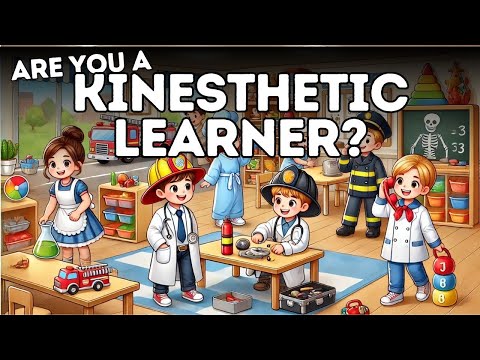
So, let’s chat about something super cool: kinesthetic intelligence. You ever notice how some people just seem to move through life effortlessly? Like, they’re dancing or playing sports, and it all looks so natural.
Este blog ofrece contenido únicamente con fines informativos, educativos y de reflexión. La información publicada no constituye consejo médico, psicológico ni psiquiátrico, y no sustituye la evaluación, el diagnóstico, el tratamiento ni la orientación individual de un profesional debidamente acreditado. Si crees que puedes estar atravesando un problema psicológico o de salud, consulta cuanto antes con un profesional certificado antes de tomar cualquier decisión importante sobre tu bienestar. No te automediques ni inicies, suspendas o modifiques medicamentos, terapias o tratamientos por tu cuenta. Aunque intentamos que la información sea útil y precisa, no garantizamos que esté completa, actualizada o que sea adecuada. El uso de este contenido es bajo tu propia responsabilidad y su lectura no crea una relación profesional, clínica ni terapéutica con el autor o con este sitio web.
That’s kinesthetic intelligence at work! It’s all about learning through movement—yeah, you heard that right. Some folks grasp concepts better when they can feel and touch things, rather than just sitting at a desk. Sounds interesting, huh?
Imagine trying to learn how to ride a bike by just reading about it—talk about frustrating! But once you hop on that seat and start pedaling, it clicks. Pretty magical if you ask me.
In this little journey we’re taking together, we’ll explore what kinesthetic intelligence really means and how you might tap into it to boost your learning. Let’s move!
Effective Learning Strategies for Kinesthetic Learners: Techniques for Success
Kinesthetic learners, hey, let’s talk about you! You know, those folks who learn best by doing rather than just listening or reading. Everything becomes clear when you can touch it, move it, and feel it. So if you’re nodding along right now, let’s dig into some effective learning strategies that work wonders for you.
1. Hands-On Activities: Seriously, the more you can engage your body in the learning process, the better. Think of science experiments where you get to mix chemicals or build models. When you’re actively involved, information sticks like glue!
2. Movement Breaks: Your brain needs a breather sometimes! Every so often, stand up and stretch or do some jumping jacks. If you’re studying for a long period, breaking it up with movement can refresh your mind and boost focus.
3. Role-Playing: Ever thought about acting out historical events? This technique not only brings history to life but also helps you internalize information more effectively. Picture yourself as a character – it makes learning way more engaging!
4. Visual Aids: Utilize charts or diagrams while moving around them or even rearranging them. You might find that physically interacting with visual materials helps clarify complex concepts.
5. Create Mind Maps: Making connections between ideas can be easier if you do this physically! Get some colored pens and big paper and write down ideas while standing up or walking around.
6. Real-World Applications: Try to connect what you’re learning with real-life situations! For example, if you’re studying math concepts like measurements or angles, head outside and measure things around your backyard.
7. Use Technology: There are tons of apps out there designed for interactive learning experiences that involve movement. Take advantage of them to create an immersive study session filled with activities that match your learning style.
Now let’s sprinkle in a relatable story here! I remember helping my cousin study for his biology exam once; he was really struggling with the anatomy of the human body. Instead of just going over his notes together (yawn!), we grabbed a few sticky notes and started labeling parts of my old anatomy model by actually moving around and sticking labels on different spots while chatting about each part’s function. Guess what? He passed with flying colors!
In all these strategies, remember that the point is to make learning fun. Kinesthetic intelligence thrives in environments where movement is encouraged! But don’t forget: if you’re really finding it tough to grasp something important for school or work, reaching out to someone who can provide professional help is always a good idea.
So there you have it—some tailored strategies just for kinesthetic learners like you! Experiment with these techniques and see what clicks best—literally!
Kinesthetic intelligence mastering movement and learning pdf
So, you’re curious about kinesthetic intelligence? That’s pretty cool! It’s all about how we learn through movement and touch, and honestly, it’s a fascinating topic. People with strong kinesthetic intelligence tend to excel in activities that require body coordination, like sports, dance, or even some hands-on professions. Sounds interesting, right?
Basically, kinesthetic intelligence involves using your body effectively. Think of athletes or dancers; they’re not just good at what they do because of practice. They have a unique ability to understand their bodily movements. But it’s not just about physical skills; it’s also tied to how well we can express ourselves physically in any form.
- Learning Styles: Kinesthetic learners often grasp concepts better when they can touch and manipulate materials. For example, if you’re learning about gravity in physics class, bouncing a ball while discussing its motion could really help solidify the concept.
- Play and Movement: Engaging in play is vital to developing kinesthetic intelligence. Remember those childhood games? Like tag or hopscotch? They’re all about movement and help build coordination while having fun!
- Creative Expression: Many artists with kinesthetic intelligence express themselves through physical mediums—think sculptors who use clay or performers who dance.
- Cognitive Benefits: Research suggests that moving our bodies can enhance learning by increasing blood flow to the brain. Ever noticed how you remember things better after a walk? There’s science behind that!
- Practical Applications: Careers such as surgeons, athletes, and dancers are excellent examples of how this form of intelligence is applied in real life.
You know what? It can be super beneficial to incorporate some movement into your study sessions. Stand up while reading or try pacing around the room as you memorize facts; it might just work wonders for you!
I remember when I was in school, I struggled with boring lectures but thrived during science labs where we got hands-on experience with experiments. Those moments felt like magic—learning became way more enjoyable and effective.
The thing is, kinesthetic intelligence isn’t just for the sporty types or dancers out there; it’s for anyone who enjoys being active while learning something new! So if you find yourself daydreaming during lectures but come alive on the soccer field or while cooking—guess what? You might be channeling your inner kinesthetic learner!
If you’re thinking about exploring this further or need specific strategies tailored to yourself—or someone else—don’t hesitate to reach out to educators or counselors who specialize in learning styles! They can guide you without replacing professional help but providing essential insights.
All in all, understanding kinesthetic intelligence opens up a whole new world of possibilities for learning and expressing ourselves through movement! So get moving and see where your body can take you!
Mastering Bodily Kinesthetic Intelligence: Effective Movement Strategies for Enhanced Learning
When we talk about bodily kinesthetic intelligence, we’re diving into a unique way of learning and interacting with the world. It’s all about using your body to express yourself and engage with your environment. Think of athletes, dancers, or even skilled craftsmen—they all rely on body awareness and movement to succeed.
You might be wondering, how can this help enhance learning? Well, here are a few effective movement strategies that can boost your understanding and retention of new information:
- Incorporate Movement into Learning: Try standing up or moving around while studying. It can make the process way more engaging. For example, if you’re memorizing facts for a history test, walk around your room while reciting them out loud.
- Use Gestures: When explaining concepts to someone, use hand movements! Gesturing can help clarify thoughts and even strengthen memory. Ever noticed how you wave your arms when you’re super excited? That’s your body helping you communicate better!
- Create Physical Associations: Link concepts to physical actions. Imagine you’re learning about gravity; try dropping different objects to see which hits the ground first. This hands-on approach makes the idea stick.
- Role Play: Get into character! If you’re studying literature, act out scenes from a play or book. It’s like putting on a mini-performance that deepens your understanding.
- Interactive Games: Engage in games that require movement—like Simon Says or charades. These activities are fun ways to think critically while getting your body involved.
You know what’s cool? Everyone has some level of bodily kinesthetic intelligence; it just shows up differently for each person! Maybe you can’t do backflips like a gymnast, but if you dance around when nobody’s watching or love fixing things with your hands, you’ve got this intelligence too.
Let me share a little story: I once had a friend who struggled with math. Numbers just wouldn’t stick in her head no matter how many hours she spent staring at them in her textbook. So one day, we decided to turn her study sessions into something physical! We grabbed some blocks and used them to represent different equations while jumping around the room whenever she solved one correctly—it was hilarious! But guess what? Those concepts started clicking for her.
Another important thing is making sure these strategies fit within what works best for you personally; it’s all about finding that sweet spot between movement and information retention.
So don’t hesitate to mix things up next time you’re hitting the books or trying to learn something new! Movement isn’t just for athletes; it’s an amazing tool for anyone looking to learn better!
And remember, this isn’t a replacement for professional help if you’re facing serious challenges with learning—always reach out when needed!
You ever watch someone move, and it just feels like they’re dancing through life? That’s kinesthetic intelligence for you! It’s that ability to control bodily motions or to handle objects skillfully. Think about athletes, dancers, or even surgeons. They’ve got this amazing knack for using their bodies in ways that feel almost effortless.
I remember one time in high school, I had a friend named Jake who was a total whiz at basketball. He’d practice for hours, and it wasn’t just about shooting hoops. He’d break down every movement—how to dribble, pivot, jump—all while repeating the same moves over and over. To him, it wasn’t just play; it was like an art form! And honestly? Watching him transform those repetitive actions into something beautiful was pretty inspiring.
When we talk about kinesthetic intelligence, we’re diving into this fascinating world where movement meets learning. You know how some people learn best by doing? That’s what kinesthetic learners thrive on! They’re the ones who need to get their hands dirty or actively participate to really grasp a concept. For them, textbooks can feel stiff and uninspiring—while real-life experience is where the magic happens.
But here’s something you might not have thought about: it’s not just about athletes or performers; kinesthetic intelligence plays a role in everyday life too! Ever tried assembling Ikea furniture without instructions? Yeah, a little hand-eye coordination goes a long way there! Those who excel in this area can visualize and execute movements even under pressure.
The cool thing is that everyone has elements of kinesthetic intelligence inside them; we just express it differently. Maybe you love gardening and can masterfully shape plants with your hands or perhaps you enjoy crafting things from scratch—there’s rhythm in those movements too!
So next time you see someone really owning their space with their body—be it on stage or at the local park—remember that they’re tapping into something special! Kinesthetic intelligence isn’t just about mastering movement; it’s about connection—between your body and the world around you. And honestly? That connection is what makes life feel vibrant and alive!