So, let’s chat about correlation psychology.
Este blog ofrece contenido únicamente con fines informativos, educativos y de reflexión. La información publicada no constituye consejo médico, psicológico ni psiquiátrico, y no sustituye la evaluación, el diagnóstico, el tratamiento ni la orientación individual de un profesional debidamente acreditado. Si crees que puedes estar atravesando un problema psicológico o de salud, consulta cuanto antes con un profesional certificado antes de tomar cualquier decisión importante sobre tu bienestar. No te automediques ni inicies, suspendas o modifiques medicamentos, terapias o tratamientos por tu cuenta. Aunque intentamos que la información sea útil y precisa, no garantizamos que esté completa, actualizada o que sea adecuada. El uso de este contenido es bajo tu propia responsabilidad y su lectura no crea una relación profesional, clínica ni terapéutica con el autor o con este sitio web.
You know, it’s all about understanding how things relate to each other. Like, why does your mood change when you hear a certain song? Or why do you tend to eat more when you’re stressed?
These connections can be a little mind-boggling but super interesting.
I mean, it’s wild how our behaviors and emotions intertwine. You ever notice that little pattern in your life? I find it kind of cool—and a bit weird—how one small thing can shift everything else.
Anyway, let’s unpack this together and see what makes these relationships tick!
Understanding Correlational Relationships in Psychology: Definitions and Examples
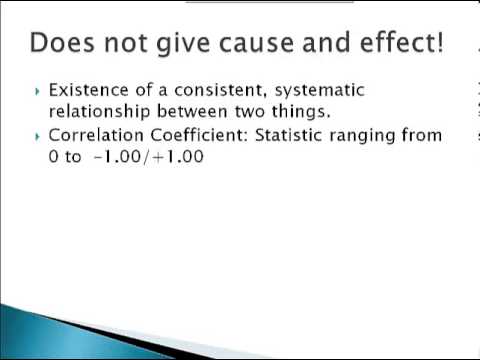
Let’s chat about correlational relationships in psychology. It’s a pretty neat concept that helps us understand how different behaviors or characteristics might be related to one another. So, what exactly is correlation? Well, it basically means that two things tend to move together in some way.
Imagine you’re tracking your sleep and how you perform in a game. You notice that the days you sleep more, your scores are higher. This is a classic example of correlation, but hold on! Correlation doesn’t imply causation—it doesn’t mean sleeping well caused your better scores directly. Other factors could be at play!
There are three main types of correlations:
- Positive correlation: Both variables move in the same direction. The more you practice playing a game, the better your skills might become.
- Negative correlation: As one variable increases, the other decreases. Think about studying late at night and feeling tired during class—more study time at night could mean less alertness the next morning.
- No correlation: There’s no consistent relationship between the two variables. Like how much time you spend playing video games and your shoe size—they’re completely unrelated!
You know what? Correlations can be super useful in psychology for spotting trends and making predictions. For instance, researchers often look at how stress levels correlate with performance on tasks like exams or games. If they find that higher stress leads to poorer performance, they can create strategies to help manage stress before those big moments.
I remember when I was in college, I noticed my grades dropped when my anxiety spiked around exam season. I looked into it and found research showing that high anxiety often correlates with lower academic performance—seriously relatable stuff!
The cool part about correlation is that it opens up conversations about these relationships without jumping to conclusions about cause and effect right away. It invites deeper exploration into why those patterns exist.
But don’t forget! Just because two things correlate doesn’t mean one causes the other—it’s crucial to consider other influences or even chance factors involved.
In all honesty, while correlational studies can give us amazing insights into human behavior and aid our understanding of relationships between different factors, they shouldn’t replace professional advice if you’re dealing with mental health issues or significant stressors in life.
If you’re curious about diving deeper into this fascinating world of psychology—the interactions between behavior and feelings—keep asking questions and exploring! Seriously, there’s a lot we still don’t know, but understanding correlations is definitely a great starting point.
Understanding the Five Types of Correlation in Psychology: A Comprehensive Guide
Alright, let’s talk about correlation in psychology. You might be wondering, what does that even mean? Well, correlation is about how two things relate to each other. Think of it like a dance; sometimes they move together, sometimes they don’t, and every now and then, one leads while the other follows.
So, here’s the deal: there are five main types of correlation you should know about.
- Positive Correlation: This is when both variables go up or down together. For example, the more you study for a test, the higher your chances of getting a good grade. It’s like leveling up in a video game—the more time you spend training your character, the stronger it becomes!
- Negative Correlation: Here’s where things get interesting. With negative correlation, one variable goes up while the other goes down. Imagine if you’re playing basketball. The more fouls you commit during a game (that increases), the less likely your team is to win (that decreases). Bummer, right?
- No Correlation: Sometimes there’s just no connection at all between two things. Like how much ice cream people eat and how many hours they spend watching TV—there really isn’t a relationship there! You could treat yourself to some ice cream and still binge-watch your favorite series without any rhyme or reason.
- Curvilinear Correlation: This one’s a bit trickier because it doesn’t show a straight line when graphed. Think about exercise: initially, as you work out more (like running), your mood gets better—so that’s positive! But if you push yourself too hard and end up exhausted or injured? Ouch! So eventually your mood can dip again—creating that curve.
- Spurious Correlation: Now this is where it gets sneaky! Two things might look connected but actually aren’t because of another variable messing with things. For instance, there may be an increase in ice cream sales and shark attacks during summer months. But it’s just because both are happening more due to warm weather—not because eating ice cream makes sharks angry or anything!
Understanding these types of correlations gives you insight into behavior patterns and relationships between factors—pretty cool, huh? These concepts help psychologists analyze data in studies.
Let me share a quick story with you: my friend was obsessed with tracking her study hours for finals using an app. At first, she noticed that every time her study hours went up (positive correlation), her grades improved too! But then she tried pulling all-nighters (not fun!), thinking she’d maximize her study time. Her grades took a nosedive despite all that effort—a classic case of curvilinear correlation!
So remember: while correlation can tell us so much about relationships in behavior, it doesn’t imply causation—that’s key! Just because two things happen together doesn’t mean one causes the other to happen.
In real life or research settings though? Always consider other factors at play! And hey—you know I’m not here as your therapist—but keeping all this in mind can help you approach behavioral studies with curiosity.
Keep exploring those connections out there!
Understanding the Role of Correlation in Behavior Analysis: Insights and Applications
Correlation in psychology is all about figuring out how things relate to one another. It’s like connecting the dots between two behaviors or traits. You could say it’s a casual relationship, not a commitment! When we talk about correlation, we’re usually dealing with two main types: positive and negative.
A positive correlation means that as one thing goes up, the other does too. For example, think of how more time spent studying might lead to better grades. If you study more hours, your chances of acing that math test increase—see? It’s all connected!
On the flip side, negative correlation is when one thing goes up while the other goes down. Imagine you have a game where you score points for every second left on the clock. If you spend too much time planning your moves instead of executing them quickly, you’re likely losing points—you get less time and your score drops.
The big question here is: does correlation mean causation? Well, not really! Correlation can hint at relationships but doesn’t prove that one thing causes another. For instance, let’s say we notice a correlation between ice cream sales and sunburns. It doesn’t mean ice cream causes sunburns; it just shows that both are likely happening on hot days! People buy ice cream when it’s sunny and they go outside—and sometimes forget sunscreen!
Cognitive behavioral therapy (CBT) is one area where understanding correlation plays an important role. By figuring out what thoughts lead to certain emotions and behaviors, therapists can help people break negative patterns. For example, if someone often thinks they’re going to fail at social situations (negative thought), they might avoid parties (behavior). Recognizing this pattern can be the first step towards change.
- Correlation helps in research: Researchers analyze data from surveys or experiments to find trends that guide their studies.
- It’s useful in education: Teachers can see how different teaching methods correlate with student performance.
- Coping strategies: Finding correlations between stress levels and specific triggers helps people manage anxiety more effectively.
A fun example can come from video games! Think about how player performance often correlates with practice time. The more someone plays a game like “Fortnite,” the better they become at building structures quickly under pressure—practice really makes perfect!
The mind works in mysterious ways, but understanding these correlations can help us build awareness of our own behaviors. Remember this isn’t magic; it’s just observation based on data over time.
If you’re curious about these concepts or find they resonate with you personally, talking to a professional could be super helpful! They can guide you deeper into these connections without oversimplifying complex feelings or experiences.
So next time you’re thinking about why you act a certain way around friends or why some habits stick while others don’t—consider looking for those correlations! It might just provide you with some surprising insights into your own behavior!
You know, it’s kinda wild how our brains work when it comes to relationships, right? I mean, think about the last time you hung out with your friends or family. The way you act around different people can change so much. That’s where correlation psychology comes in. It’s all about understanding how people’s behaviors and feelings are linked, and trust me, it’s more interesting than it sounds!
So picture this: you’re at a party with two different groups of friends. With one group, you’re the life of the party—laughing loudly and just being goofy. But then, when you’re with your other friends, maybe you end up hanging back a bit more, enjoying deeper conversations. That shift isn’t random; it’s all tied to the dynamics between you and those friends.
But let’s break it down a bit. Correlation psychology looks at how different things relate to each other in our lives—like your mood influencing your behavior or how stress can affect our decisions. Think about that rush of excitement when you’re with someone who just gets you; it can seriously lift your spirits! On the flip side, if you’re feeling anxious or stressed out about work or school, you might find yourself snapping at others without even realizing it.
And here’s something that’s kind of eye-opening: sometimes we think we know why we feel a certain way based on past experiences or whatever’s happening at the moment. But correlation psychology reminds us there might be more layers to peel back. Like maybe something small really bugged us earlier in the day—it could have been a comment from a coworker—and now that’s coloring our interactions without us even knowing.
I remember this one time feeling super off after a long day at work; my friend wanted to watch a movie together but I was just not feeling up to it. Instead of telling them what was going on inside my head, I ended up being kinda distant and aloof during our hangout. It wasn’t until later that I realized that my mood had totally affected how I connected with them.
The thing is, awareness plays a big role here. When we start recognizing these patterns in our behavior—how we’re influenced by stress or happiness—we can make better choices about how we respond to others. So next time you’re feeling weird around someone or notice someone else acting differently, ask yourself what’s really going on under the surface.
In essence, while correlation psychology digs deep into understanding behaviors and relationships that may not be obvious at first glance – it’s all about being curious about those little connections in life! That curiosity helps us navigate friendships and family ties better—and honestly? That’s something we could all use a little help with now and then!