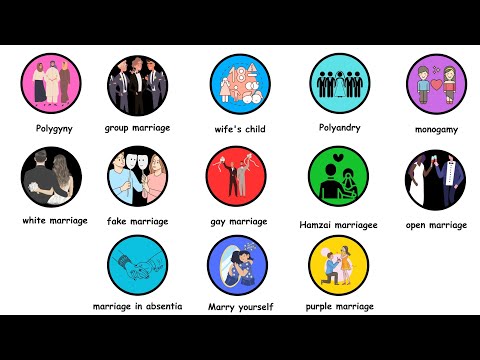
Marriage can be kind of tricky, right? There’s no one-size-fits-all approach. Each couple has their own vibe, their own story.
Este blog ofrece contenido únicamente con fines informativos, educativos y de reflexión. La información publicada no constituye consejo médico, psicológico ni psiquiátrico, y no sustituye la evaluación, el diagnóstico, el tratamiento ni la orientación individual de un profesional debidamente acreditado. Si crees que puedes estar atravesando un problema psicológico o de salud, consulta cuanto antes con un profesional certificado antes de tomar cualquier decisión importante sobre tu bienestar. No te automediques ni inicies, suspendas o modifiques medicamentos, terapias o tratamientos por tu cuenta. Aunque intentamos que la información sea útil y precisa, no garantizamos que esté completa, actualizada o que sea adecuada. El uso de este contenido es bajo tu propia responsabilidad y su lectura no crea una relación profesional, clínica ni terapéutica con el autor o con este sitio web.
So, let’s chat about the different types of marriage that exist out there. Seriously, it’s more than just the classic “happily ever after.”
You might be surprised by how many styles of marriage there are! Each one comes with its unique set of rules and quirks.
It’s like a buffet of love! Some people are traditional, others are all about modern twists.
Stick around as we explore these different flavors of partnership together! Who knows? You could find something that clicks for you or someone you know.
Exploring the 7 Types of Marriage: Understanding Their Psychological Dynamics
Marriage is a complex and fascinating journey. It’s not just about saying “I do,” but about navigating the different types of relationships that can form. Seriously, when you think about it, each marriage has its own unique vibe and dynamics. Let’s explore seven types of marriage, shall we?
- Traditional Marriage: This is where roles are more defined, often based on cultural or religious practices. One partner might focus on home and family while the other takes care of finances. It’s like playing a co-op game where each player has specific roles to succeed.
- Egalitarian Marriage: Here, both partners share responsibilities equally—think teamwork on every level! They make decisions together, whether it’s about finances, chores, or planning vacations. It’s all about collaboration and mutual respect.
- Arranged Marriage: In this type, families play a central role in choosing partners based on social status or family connections. You know what? It can work out great! There are countless stories of happiness in these marriages, as love often grows over time through shared experiences.
- Partnership Marriage: This one feels like a business partnership—partners support each other in achieving personal goals. The relationship thrives on mutual respect and encouragement to follow individual dreams while keeping the connection strong.
- Soulmate Marriage: People with this type of marriage believe they are meant to be together. They have deep emotional connections and often feel they complete each other. It’s kind of that feeling when you find the perfect puzzle piece; everything just fits!
- Open Marriage: In open marriages, partners agree to have romantic relationships outside their marriage while remaining committed to each other. Communication is key here; it takes a lot of trust and understanding to make this work.
- Boomerang Marriage: Ever heard of couples who marry, divorce, and then get back together? That’s boomerang marriage for you! Sometimes people realize what they had was special after some time apart and decide to give it another shot.
Understanding these types can really help you grasp why some couples thrive while others struggle. For example, let’s say you’re in an egalitarian marriage but find yourself feeling stressed because your partner isn’t pitching in enough around the house; communication is vital here! Talking openly about your feelings can strengthen your bond.
Of course, all these dynamics can vary from couple to couple—it’s not so black-and-white as choosing a game genre! Each relationship has its own set of rules that both partners contribute to.
But hey you know what? No matter what kind of marriage you’re dealing with, if conflicts get tough or emotions run high, reaching out for professional help can provide clarity and strategies tailored just for your situation.
In the end, every type offers lessons on how we connect with one another through love and support—or even shared hardships—and those lessons shape our paths forward together or apart. So which type resonates most with your experience?
Understanding the 7 Essential Pillars of a Strong Marriage
Building a strong marriage is like playing your favorite team sport. It requires communication, trust, and a shared vision to make it work. There’s no perfect formula, but there are some key pillars that can help you stay connected and happy together. So, let’s check out these 7 essential pillars!
- Communication: You know how important it is to keep the conversation going. Think of it like chatting with your best friend. Share your feelings and thoughts regularly, and listen actively when your partner speaks. This keeps misunderstandings at bay.
- Trust: Trust is the foundation of any relationship. Imagine building a tower with blocks; if one piece wobbles, everything could collapse! Be reliable and honest with each other. It’s about knowing you can count on one another.
- Respect: Respecting each other means valuing each other’s opinions and feelings even when you disagree. Just like in a board game where everyone has their strategy—acknowledge that your partner’s perspective matters too.
- Shared Goals: Having common goals gives you something to work towards together—like finishing a big puzzle! Whether it’s planning for the future or simply making weekend plans, shared dreams can strengthen the bond.
- Quality Time: Spending time together helps create memories, so schedule date nights or fun activities! You know how much easier it is to connect over laughter? It doesn’t have to be extravagant; even playing board games at home counts.
- Conflict Resolution: Disagreements happen; they’re part of life! The key is how you handle them. Approach conflicts calmly, like battling in video games without getting too frustrated. Find solutions together instead of blaming each other.
- Affection: Show love through small gestures or words—think hugs or sweet notes left around the house. It’s those little things that can turn an ordinary day into something special! You want to feel loved and cherished every single day.
In practice, these pillars overlap a bit—you can’t really have trust without communication, right? It’s all connected like pieces of a jigsaw puzzle fitting smoothly together.
So remember: relationships take effort from both sides. It’s not always easy—but by focusing on these seven foundations, you’re setting yourselves up for success and happiness together! And hey, if things get tough or complicated—don’t hesitate to reach out for professional help if you need it!
Understanding the 7 Cs of Marriage: Key Components for a Strong Relationship
Sure! Let’s chat about the 7 Cs of marriage, those key components that can really make or break your relationship. Think of these as building blocks for a strong partnership. Ready? Here we go!
1. Communication
This is the foundation, really. Good communication means sharing your thoughts and feelings openly. When you’re transparent with each other, issues are less likely to fester. You know how in a game, if you don’t communicate with your teammates, you might end up losing? Same idea here! Talk it out.
2. Commitment
Being committed means choosing to stick together through thick and thin. It’s like saying, «I’m in this for the long haul.» Everyone has tough days or moments when they question things, but that commitment keeps you grounded and focused on your partner instead of the challenges.
3. Compromise
Marriage isn’t all sunshine and rainbows; you gotta meet halfway sometimes! Compromise means finding solutions that work for both partners rather than insisting on getting your way all the time. Picture two players wanting to use the same item in a game—you’ve got to find a way to share or take turns!
4. Compassion
Being kind and understanding can truly strengthen your bond. It’s about being there for each other during hard times—offering support without judgment and recognizing each other’s feelings matter as much as yours do.
5. Connection
This is deeper than just liking someone; it’s about feeling close emotionally and physically too! Regular date nights or simply enjoying quiet moments together can help boost that connection. Think of it like leveling up in a game—you gotta keep playing together to stay strong!
6. Conflict Resolution
Let’s face it: arguments happen! What matters is how you handle them. Learning to address conflicts calmly and respectfully is key—like using strategies in a game where mistakes can cost you points; resolve conflicts well, and you’ll keep your relationship thriving.
7. Compatibility
Finally, being compatible doesn’t mean being the same person; it means respecting each other’s differences while sharing similar core values and goals. It’s like picking players for a team: they may have different skills but need that shared vision to win!
In the end, keeping these 7 Cs front of mind can go a long way toward creating a happy marriage where both partners feel valued and supported. Remember though, every relationship is unique! And hey, if you’re struggling with some areas, don’t hesitate to seek professional help—there’s nothing wrong with wanting guidance from an expert!
You know what? Marriage isn’t just one-size-fits-all. I mean, when you think about it, every couple is like a unique little universe, right? Sure, there’s that traditional idea of marriage with the white dress and the big party, but what if I told you there are actually several different types of marriage out there? It can be pretty eye-opening.
I remember talking with my friend Emma about this. She had just gotten married in a cozy ceremony at her favorite coffee shop. It was so simple yet so filled with love. She said she never wanted a huge wedding because to her, it was more about the commitment than the glamor. That got me thinking—she’s probably living in a whole different type of marriage than those classic «till death do us part» scenarios we often hear about.
Anyway, let’s break down some types without drowning in too much detail.
First up, we have traditional marriages. These usually follow cultural or religious norms. You know, it’s like following a well-trodden path that many people have walked before you.
Then there’s the modern marriage—think less about strict roles and more about partnership. It can be refreshing! Couples share responsibilities based on what works for them rather than old-school stereotypes.
How about open marriages? That’s when couples consent to having romantic relationships outside their primary partnership. It can definitely be tricky—lots of trust involved—but some find it deepens their bond in unexpected ways!
Another type is the cohabitation marriage which might not legally tie the knot but acts like one! Living together without formalizing things can suit many couples who prefer testing their compatibility first.
Moving on to arranged marriages! These get all sorts of mixed reviews but often involve families choosing partners based on cultural values or social standing. And believe it or not, many people find happiness this way!
Don’t forget same-sex marriages which have become more recognized over recent years! Love is love after all, and these partnerships come with their own unique challenges and joys.
Lastly we have polyamorous relationships where people engage romantically with multiple partners simultaneously—with everyone on board and communicating openly! Imagine it as weaving a tapestry where each relationship adds its unique thread to the design.
So you see? All these different types of marriages reflect how diverse human relationships can really be! Whether it’s traditional or modern or something in between, each couple carves out their own path suited for them—it’s pretty beautiful when you think about it… So what type resonates with you or those around you?