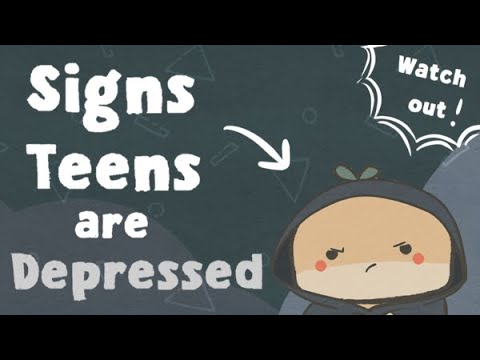
So, let’s talk about something that kinda sucks—teenage loneliness. You know that feeling, right? It’s like being surrounded by people but still feeling completely alone.
Este blog ofrece contenido únicamente con fines informativos, educativos y de reflexión. La información publicada no constituye consejo médico, psicológico ni psiquiátrico, y no sustituye la evaluación, el diagnóstico, el tratamiento ni la orientación individual de un profesional debidamente acreditado. Si crees que puedes estar atravesando un problema psicológico o de salud, consulta cuanto antes con un profesional certificado antes de tomar cualquier decisión importante sobre tu bienestar. No te automediques ni inicies, suspendas o modifiques medicamentos, terapias o tratamientos por tu cuenta. Aunque intentamos que la información sea útil y precisa, no garantizamos que esté completa, actualizada o que sea adecuada. El uso de este contenido es bajo tu propia responsabilidad y su lectura no crea una relación profesional, clínica ni terapéutica con el autor o con este sitio web.
Honestly, it can hit you when you least expect it. You might be at a party, scrolling through your phone, and BAM! There it is again.
It’s frustrating! And hey, you’re not the only one. Lots of teens are feeling this way these days. Seriously, it’s a thing.
But what causes this feeling? And more importantly—what can you do about it? Let’s unpack this together!
Understanding the Causes of Loneliness in Teens: A Psychological Perspective
So, let’s talk about loneliness in teens. It’s a thing, and it can feel like a heavy blanket on your shoulders sometimes. You know what? Many factors contribute to this feeling. Let’s break down some pretty common causes.
- Social Media Pressure: Teens often feel they should be perfect online. It’s like everyone is living their best life, and you’re just sitting there, feeling kinda left out. Social media can create unrealistic expectations that lead to feelings of isolation.
- Changes in Friendships: High school is a rollercoaster of friendships. Friends drift apart or relationships shift, which can be super tough. I remember when my best friend suddenly decided she wanted to hang with a different group; I felt totally abandoned.
- Identity Exploration: Teen years are all about figuring yourself out. Sometimes this means feeling disconnected from those around you as you search for who you really are. This search can lead to moments of loneliness when you don’t feel understood.
- Bullied or Excluded: Unfortunately, bullying is still a reality for many teens. Whether it’s at school or online, being targeted can seriously hurt your self-esteem and leave you feeling isolated.
- Lack of Support: Some teens don’t have a solid support system at home or among friends. If you’re going through a tough time and no one seems to notice or care, it compounds feelings of loneliness.
Now, here’s the thing: recognizing these causes is super important because it helps us understand what we’re dealing with. But it’s also essential to know that you’re not alone in this experience! Seriously, millions of teens feel lonely at some point; it’s part of the journey.
You might be wondering: what can be done about it? Well, here are a few ideas that might help alleviate that lonely feeling:
- Talk About It: Sharing how you feel with someone—like a friend or family member—can lighten the load tremendously.
- Join Groups or Clubs: Getting involved in something you love could introduce you to new friendships! Think sports teams, art clubs, or gaming groups—whatever floats your boat!
- Meditation and Mindfulness: Practicing mindfulness can keep your mind grounded and make those emotions easier to manage.
If you’re struggling with loneliness on a deeper level—like depression or anxiety—it’s seriously worthwhile seeking out professional help. You deserve support to get through it!
A lot goes into understanding teenage loneliness from various angles—social dynamics, mental health challenges—a lot more than just being shy in class! So remember: it’s okay if you’re feeling this way and take steps toward connecting more closely with others.
Understanding the Teen Loneliness Epidemic: Causes, Impacts, and Solutions
Let’s talk about something that’s really been on my mind: the teen loneliness epidemic. You’ve probably noticed it around you or even felt it yourself. Teens today are more connected than ever, but at the same time, a lot of them are feeling alone. So, what’s going on here?
First off, let’s dive into a few of the causes behind this growing issue:
- Social Media Overload: Teens often feel pressure to present a perfect image online. This can lead to feelings of inadequacy when they compare themselves to others.
- Academic Pressure: The competition to excel in school can leave little room for genuine social connections. Teens might be so focused on grades that they neglect friendships.
- Lack of Real-Life Interaction: With so much time spent online, face-to-face interactions have decreased. It’s like trading real conversations for brief texts.
- Mental Health Issues: Anxiety and depression can cause withdrawal from social situations, creating a vicious cycle where loneliness amplifies these feelings.
You know what? I once heard a story from a friend who was really into gaming. He spent hours playing online games with people across the globe. But when he logged off, he felt this heavy emptiness because he hadn’t actually interacted with anyone in person for days! That feeling is all too common.
The impact of teen loneliness is serious and far-reaching:
- Affecting Mental Health: Lonely teens may experience increased anxiety or depression, which can linger into adulthood.
- Poor Academic Performance: When teens are preoccupied with feelings of isolation, their focus on schoolwork can slip away.
- Relationship Difficulties: Loneliness can hinder the development of strong interpersonal skills needed for healthy relationships later in life.
- Physical Health Risks: Studies suggest that prolonged loneliness can lead to health issues like insomnia and weakened immune function.
This all sounds pretty grim, but it’s not hopeless! There are ways to tackle this issue head-on:
- Create Safe Spaces: Schools should encourage environments where students feel comfortable sharing their experiences and emotions. Clubs or groups focusing on interests (like art or tech) can help foster connection.
- Pursue Hobbies Together: Encourage teens to join activities they’re passionate about—whether it’s sports, music or even gaming leagues—because shared interests invite camaraderie.
- Mental Health Awareness: Schools and parents should normalize discussions around mental health. Promoting resources for professional help is crucial in addressing deeper issues.
- Simplify Technology Use: Setting boundaries around screen time can foster more real-world interactions with friends and family!
The key is balance; understanding that while technology can connect us, it shouldn’t replace meaningful relationships in life. After all, we’re wired for connection!
If you or someone you know is feeling overwhelmed by loneliness, reaching out for help—be it from friends or professionals—can make all the difference. In the end, remember that nobody has to go through this alone; there are people who care and want to support each other!
Teenage Loneliness Statistics: Understanding the Prevalence and Impact on Adolescents
Hey, let’s talk about teenage loneliness. It’s a pretty big deal these days. Seriously, studies show that around one in three teenagers feel lonely often or very often. That’s a lot when you think about it!
Why is this happening? Well, there are several reasons:
- Social Media Pressure: While social media connects us, it can also make us feel more isolated. You see everyone else hanging out, and it can sting.
- Changing Friendships: Teens often experience shifts in friendships as they grow up. Losing friends or feeling left out can really hurt.
- Avoidance of Face-to-Face Interaction: Texting is convenient, but sometimes it leads to fewer real-life conversations.
- Mental Health Issues: Anxiety and depression can make you withdraw from others, which compounds feelings of loneliness.
Let me share a quick story. I once knew a kid named Jake. He was super into video games and could chat up a storm when he played with friends online. But outside the game? He felt like nobody understood him, and that made him feel alone even though he had “friends” online.
Now, let’s look at how this loneliness impacts teens. Studies reveal that prolonged feelings of loneliness can lead to:
- Mental Health Challenges: Increased chances of depression and anxiety.
- Poor Academic Performance: You might lose interest in school if you’re feeling down.
- Poor Physical Health: Stress from loneliness doesn’t just mess with your mind; it affects your body too!
But hey, it’s not all doom and gloom! There are ways to tackle loneliness head-on:
- Talk About It: Sharing how you feel with someone you trust can be really helpful.
- Create Connections: Join clubs or activities where you can meet people with similar interests.
- Avoid Social Media Overload: Take breaks from scrolling! Real life is where real connections happen.
Remember that while these strategies can help most teens navigate through tough times, they shouldn’t replace reaching out to professionals if things get heavy.
In the end, feeling lonely is something many teens face. It’s okay to talk about it! We all need connection—it keeps us grounded and helps us realize we’re not alone in our experiences. So keep those lines of communication open!
Teenage loneliness, wow, it’s really a heavy topic, and I can’t help but think back to my own high school days. You know those moments when you’re surrounded by people yet feel completely invisible? Like, you’re at a party just standing there, holding a soda and wondering when you became the wallflower? Yeah, that was me!
So, let’s get into it. First off, teenage years are like this wild rollercoaster ride. You’re figuring out who you are while your emotions are all over the place. There’s a lot of pressure to fit in and connect with people. When those connections don’t happen or fade away – bam! Loneliness kicks in. You start to worry: Am I weird? Why don’t I have more friends? It’s really tough.
But here’s the thing—there are tons of reasons behind that loneliness. Social media plays a massive role. You scroll through Instagram seeing everyone hanging out together and having the time of their lives while you’re just… at home binge-watching your favorite show again. It can feel overwhelming, like everyone else has it figured out except for you.
Family dynamics can add fuel to the fire too. Maybe there’s tension at home or not enough quality time spent together. That lack of support can make you feel isolated even more! And let’s not forget about mental health struggles that so many teens face today. Anxiety and depression can wear down your desire to connect with others; sometimes it feels easier just to retreat into your room.
Now, all this sounds pretty gloomy, right? But here’s where we flip the script because there are ways to confront this loneliness! Firstly—connections matter! Seeking out clubs or activities that interest you might be a game changer! Remember that art class or sports team where people share your passions? It might be worth checking out!
And don’t underestimate the power of opening up about how you’re feeling with someone trustworthy—a friend, family member or even a school counselor could really help lighten that emotional load. Just talking about what you’re experiencing can make such a difference.
In all honesty though, it might take time to find your tribe or figure out what truly helps you cope with those lonely feelings; be patient with yourself! Sometimes just understanding that it’s okay to feel lonely is the first step toward feeling connected again.
So yeah, teenage loneliness is real and painful but knowing you’re not alone in feeling this way is super important too. We all face our ups and downs during these years; just remember there are ways through it—even when it feels impossible sometimes! Keep reaching out ‘cause connection is key in this wild journey called adolescence!