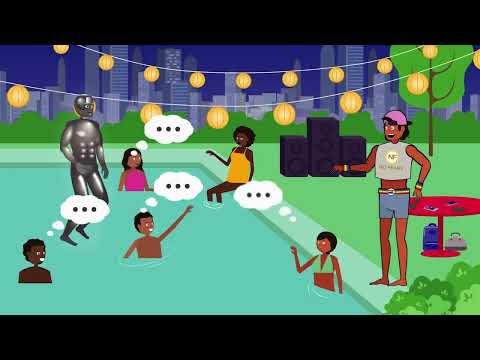
Hey, you! Ever notice how your mood can totally shift based on who you’re hanging out with? Or how social media makes you feel like a million different things all at once?
Este blog ofrece contenido únicamente con fines informativos, educativos y de reflexión. La información publicada no constituye consejo médico, psicológico ni psiquiátrico, y no sustituye la evaluación, el diagnóstico, el tratamiento ni la orientación individual de un profesional debidamente acreditado. Si crees que puedes estar atravesando un problema psicológico o de salud, consulta cuanto antes con un profesional certificado antes de tomar cualquier decisión importante sobre tu bienestar. No te automediques ni inicies, suspendas o modifiques medicamentos, terapias o tratamientos por tu cuenta. Aunque intentamos que la información sea útil y precisa, no garantizamos que esté completa, actualizada o que sea adecuada. El uso de este contenido es bajo tu propia responsabilidad y su lectura no crea una relación profesional, clínica ni terapéutica con el autor o con este sitio web.
That’s basically what psychological sociology is all about. It’s this awesome blend of understanding how our minds work and how society shapes us.
You know, it’s like looking at the world through a unique lens—seeing the connections between individual thoughts and those big societal vibes.
Stick around! We’re gonna explore some cool stuff about why we act the way we do around other people and how that influences our everyday lives. Sound good?
Exploring the Intersection of Psychology and Sociology: Understanding Human Behavior in Social Contexts
When we think about **human behavior**, it’s really important to look at both psychology and sociology. You know? These two fields are like best buddies in understanding why we act the way we do, especially when other people are around.
So, let’s break it down. Psychology focuses on the individual — your thoughts, feelings, and mental processes. Meanwhile, sociology is all about the bigger picture: how society, culture, and groups shape our behaviors. Now you might be wondering how these two connect, right? Well, here are a few key points:
- Social Influences: Your environment affects your decisions. Think about peer pressure or trends that sweep through social groups.
- Cultural Norms: Different societies have different rules. For example, saying “hello” varies greatly from one culture to another.
- Group Dynamics: How people behave in groups can differ dramatically from how they act alone. It’s like gaming; teamwork can change everything!
Here’s something personal: I once watched my friend totally change during a game night with a group versus when we hung out one-on-one. In front of everyone, he was super competitive and loud; alone, he was just himself — laid-back and funny. That’s the power of social context!
Another great connection is seen in things like **conformity** and **obedience** studies (think Solomon Asch or Stanley Milgram). These experiments showed how people can follow group norms or authority figures even when it goes against their own beliefs! Seriously wild stuff.
And don’t forget about **identity**—how you see yourself can change based on the crowd you’re with! Are you more outgoing in certain settings? Or do you feel shy in bigger groups? This fluidity is where psychology meets sociology head-on.
Now if you’re into video games—which I totally am—you can see these principles play out too! When playing games like “Among Us,” your behavior changes based on whether you’re trying to win as a crewmate or a sneaky imposter! The gameplay has layers of social interaction that reflect real-life group behaviors.
So in essence, by looking at both psychological processes and social contexts together, we gain a holistic view of who we are and why we act that way around others. It enriches our understanding of human behavior!
But remember—if you’re feeling overwhelmed by any emotional stuff or seriously struggling with your mental health, reaching out to a professional is always the best route to take.
Understanding the 3 P’s in Sociology: Key Concepts and Their Psychological Implications
Sociology often mixes with psychology in really interesting ways, right? One of the key frameworks in sociology is the 3 P’s: **Place, People, and Perception**. Each of these elements offers deep insight into how we interact with each other and ourselves. Let’s break them down a bit.
1. Place
Place refers to the physical and social environment where interactions take place. It’s not just a location; it shapes behavior, norms, and experiences. Imagine playing a game like *Minecraft*. In different biomes, you build your world differently based on what’s available around you. Similarly, your surroundings influence how you perceive social situations and interact with others.
2. People
People are the heart of sociology. It’s about relationships—whether that’s friendships or entire communities. Think about your circle of friends: their ideals, backgrounds, and even their quirks can change how you see yourself and others. So if one friend tends to be critical, it might affect how you respond to feedback from others.
3. Perception
Perception is everything! How we view ourselves impacts our interactions and decisions in society. If you’re playing *Among Us*, for example, your perception of who might be suspicious affects your choices during the game—and those choices can lead to trust or betrayal among players.
So let’s tie this all together. When you see how place influences people’s behaviors—like how a bustling city can make someone feel more isolated—you start recognizing patterns that aren’t always obvious at first glance. For instance:
- Isolation vs Connection: In dense urban settings, people may feel alone even when surrounded by others.
- Community Impact: A strong sense of community can enhance personal well-being.
- Cultural Norms: Different places have unique social cues that shape interactions.
These concepts remind us that our environment doesn’t just affect us physically; it molds our minds too! When we understand this intersection—like how societal pressures impact self-esteem—we gain more clarity on our actions and feelings.
But hey, remember: while all this talk provides awesome food for thought about human behavior, it’s not a substitute for professional help if you’re dealing with tough issues! Always reach out to someone trained when needed because mental health matters big time!
Understanding the Four Main Branches of Psychology: A Comprehensive Overview
Psychology is such a vast field, and it’s like a puzzle with different pieces fitting together. So let’s chat about the four main branches of psychology and how they connect to something called psychological sociology. This is where the mind meets society, you know?
1. Clinical Psychology
This branch focuses on diagnosing and treating mental health issues. Think of it like being a mental health detective! Clinical psychologists work one-on-one with people, using therapy techniques to help them cope with challenges like anxiety or depression. You might relate this to a video game where characters go through tough quests and need support from others to level up.
2. Cognitive Psychology
Cognitive psychology dives into how we think, learn, remember, and even make decisions! It’s kind of like being an internal investigator of your own brain. For instance, have you ever played a puzzle game where you need to plan your moves? That’s your cognitive skills in action! Cognitive psychologists explore these processes and how they affect behavior.
3. Developmental Psychology
Developmental psychology looks at how we grow and change throughout our lives—from babyhood to old age. Imagine playing The Sims; you can see how the characters evolve at different life stages. Developmental psychologists study everything from childhood development milestones to aging processes.
4. Social Psychology
This branch examines how people influence one another in social settings—like when you’re hanging out with friends or navigating a team project at school! It studies attitudes, group dynamics, and even things like peer pressure. Ever noticed that sometimes you’re more likely to try something new because your friends are doing it? That’s social psychology at play!
Now let’s tie this into psychological sociology. This intersection helps us understand the relationship between individual behaviors and societal influences. Here are some key points:
- Sociocultural Factors: How culture shapes our thoughts and behaviors.
- Social Norms: Expectations that guide behavior in groups.
- Status and Role: How our social status affects our perceptions.
- Group Dynamics: How being part of a group influences individual actions.
For example, say you’re engrossed in an online multiplayer game with friends. You might notice that team strategy changes based on what everyone else is doing—talk about social influence!
So while diving into these branches gives us insight into our minds, they also help us navigate our place in society. If you’re finding yourself confused or overwhelmed by any of these topics—or life in general—it might be time to talk to someone who can help professionally.
The whole journey through understanding psychology is really fascinating but remember: it’s just information for your curiosity! Always seek professional help if you’re dealing with anything heavy emotionally or mentally.
You know what? When you think about how our minds work, it’s kind of like a jigsaw puzzle, isn’t it? Each piece represents different aspects of our thoughts, emotions, and behaviors. But here’s where it gets even more interesting: those pieces don’t just float around in isolation. They’re shaped by the society we live in. That’s the heart of psychological sociology—how our inner worlds are influenced by the societal structures and cultural norms surrounding us.
Take a moment to picture this. Imagine you’re at a party with a close friend, and you notice how they interact with others. They’re bubbly and outgoing with some people but much quieter around others. It might make you wonder if their behavior is a reflection of their personality or something deeper—like how societal expectations shape who we feel we should be in different situations. It’s fascinating to think that our identities can shift based on context, right?
And honestly, there’s so much pressure out there from society to fit in or act a certain way. For example, take social media. You scroll through your feed and see everyone living their “best life.” This constant comparison can mess with your self-esteem and perception of reality! Psychologically speaking, it can create this cycle where you’re trying to align your thoughts and feelings with what society labels as “normal” or “successful.” So basically, the mind is responding to social cues all around us constantly.
You might be thinking about how this plays out in everyday life; maybe at work or school where peer pressure is really apparent. There’s this unspoken rule that often defines success—grades or promotions—and that can leave us feeling anxious if we don’t measure up. But here’s the kicker: that anxiety isn’t solely about personal failure; it’s deeply rooted in societal standards.
It’s crucial to realize that understanding this connection can open doors for empathy too. The more we recognize how environment impacts mental health, the better we can support each other! Sometimes just knowing someone else has been through similar struggles makes an enormous difference.
So yeah, psychological sociology teaches us that while we might first think about ourselves as individuals navigating life alone, we’re actually part of something much bigger! Our thoughts are influenced by family dynamics, cultural background—even random encounters throughout our day! Each interaction kind of stitches together who we are.
At the end of the day—no pun intended—it helps to step back and appreciate the complexity of human experience woven into societal fabric surrounding us every single day. We humans are not just solitary minds; we’re dynamic beings shaped by connections and influences all around us!