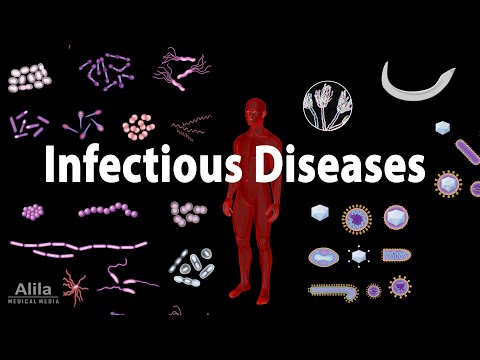
Hey, you! Let’s chat about something we all deal with—diseases. Yeah, I know, it sounds heavy, but hang on for a sec.
Este blog ofrece contenido únicamente con fines informativos, educativos y de reflexión. La información publicada no constituye consejo médico, psicológico ni psiquiátrico, y no sustituye la evaluación, el diagnóstico, el tratamiento ni la orientación individual de un profesional debidamente acreditado. Si crees que puedes estar atravesando un problema psicológico o de salud, consulta cuanto antes con un profesional certificado antes de tomar cualquier decisión importante sobre tu bienestar. No te automediques ni inicies, suspendas o modifiques medicamentos, terapias o tratamientos por tu cuenta. Aunque intentamos que la información sea útil y precisa, no garantizamos que esté completa, actualizada o que sea adecuada. El uso de este contenido es bajo tu propia responsabilidad y su lectura no crea una relación profesional, clínica ni terapéutica con el autor o con este sitio web.
These little (or big) health hiccups? They don’t just mess with us individually; they ripple out into the world. Seriously!
Think about it: common stuff like diabetes or heart disease affects not just you but your family, friends, and even workplaces.
And the crazy part? It can totally shape how we live and interact as a society. So, let’s dig into this together! You might be surprised at what’s really going on behind the scenes of our health and how it connects us all. Ready?
Common Illnesses in Society: Understanding Their Impact on Health and Well-Being
We often don’t realize how common certain illnesses are until they hit close to home. Seriously, take a moment and think about it. You probably know someone who suffers from anxiety or diabetes, right? These conditions affect not just individual lives but ripple through families and communities.
Anxiety Disorders are among the top mental health issues people face today. They can be a real struggle for many, causing feelings of fear, worry, and panic that can make everyday life seem impossible. Imagine waking up every day with that heavy cloud hanging over your head. It’s exhausting.
- Effects on Daily Life: Anxiety doesn’t just stay in your head; it can mess with your social life, work performance, and even physical health.
- Impact on Relationships: When you’re constantly worried or scared, it’s tough to connect with others fully.
- Physical Symptoms: Some people experience headaches, stomach issues, or sleep problems because their mind won’t chill out.
Then there’s diabetes. This isn’t just about insulin shots—it’s about a lifestyle change that many didn’t choose but now have to adapt to. You know someone dealing with this; they might count carbs or check their blood sugar regularly.
- Lifestyle Changes: Managing diabetes often means adjusting what you eat and how active you are.
- Mental Health Impact: Living with a chronic condition can lead to feelings of frustration or sadness as well.
- Social Stigma: Sometimes people don’t understand diabetes well enough, leading to awkward situations at gatherings when food comes into play.
Now let’s touch on something like heart disease. It’s not just an old person’s problem—it affects younger folks too! Stressful jobs or unhealthy lifestyles can lead us down the wrong path.
- Affects Everyone: Sadly, heart disease is the leading cause of death in many places worldwide.
- Poor Lifestyle Choices: Diets filled with junk food and lack of exercise also contribute significantly.
- A Community Issue: Heart disease can place a heavy burden on families due to medical expenses and caregiving needs.
These common illnesses remind us that our health isn’t just personal—it’s communal too. Each person coping has their story connected to others around them.
So next time you hear about anxiety or diabetes affecting someone you know, remember: it’s not only their journey but one that shapes the wellbeing of everyone who cares about them. I mean, we’re all interconnected in this crazy game called life. Taking care of ourselves helps those around us too!
But hey, while understanding these illnesses is super important for raising awareness and empathy (which we need more than ever), don’t forget this info isn’t a replacement for professional help when needed! If you or someone you care about is struggling with these conditions—reach out for support!
Understanding the Four Main Diseases: A Comprehensive Overview and Their Psychological Impact
So, let’s chat about four main diseases that impact not just our bodies but also our minds. It seems like everywhere you turn, someone is dealing with these issues. And the truth is, understanding them can help us grasp their psychological effects better. Let’s break it down, shall we?
- Cardiovascular Diseases (CVD)
Heart problems are super common and they can be pretty sneaky too! They include things like heart attacks and strokes. Now, when someone has CVD, it’s not just a physical battle; there’s a mental side to it as well. You might feel anxious or depressed knowing your heart isn’t in tip-top shape. Imagine if you were playing a game where every little health hiccup could lead to serious consequences—it would make anyone on edge!
- Cancer
Cancer is another heavy hitter. It doesn’t respect age or background—it can hit anyone. Dealing with a cancer diagnosis often brings feelings of fear and uncertainty; it’s like stepping into a tough boss battle with no clear strategy. Treatment can also bring its own hurdles—physical pain, fatigue, and emotional distress are all players in this game.
- Diabetes
Then there’s diabetes—this one makes you think about food choices more than ever! Managing blood sugar levels becomes a daily quest. The psychological effects can include stress over monitoring diet and insulin levels constantly. Picture trying to keep your character’s health bar full while dodging obstacles—it can get overwhelming!
- Mental Health Disorders
Finally, let’s talk about mental health disorders like depression and anxiety—they’re more common than we want to admit. These conditions can arise from or worsen other illnesses too. If you’re already feeling worn out from managing a chronic illness, piling on mental health struggles can feel like facing multiple final bosses at once! It’s exhausting and impacts how you experience everything else in life.
Each of these diseases doesn’t just affect the person suffering directly; they ripples out into families and communities too! It’s essential to have supportive networks around us because dealing with the challenges isn’t easy at all.
If you or someone you know is struggling with any of these issues, reaching out for professional help is key—that’s super important! Understanding what you’re dealing with is one step forward in this long journey.
So yeah, while we’ve scratched the surface here on how diseases impact both body and mind, always remember that everyone’s experience is unique—and seeking help is totally okay!
Comprehensive PDF Guide to Human Diseases and Their Causes: Understanding Health Impacts
When it comes to human diseases, it’s essential to grasp not just what they are, but also how they affect us as individuals and as a society. So, let’s break this down in a simple way.
First off, human diseases can be broadly categorized into a few groups: infectious diseases, chronic conditions, and genetic disorders. Each type has different causes and effects on health.
Infectious Diseases
These are caused by pathogens like bacteria, viruses, or parasites. Think about the flu or COVID-19. They spread from person to person and can have huge impacts on health systems. For example:
- The flu virus can lead to thousands of hospitalizations every year.
- COVID-19 showed us just how quickly an infectious disease can change daily life worldwide.
Now imagine your favorite video game where players have to strategize against a spreading plague—those tactics are what health organizations do every time a new disease pops up!
Chronic Conditions
Then we have chronic conditions like diabetes or heart disease. These often develop over time due to lifestyle choices or genetics. They’re not going away anytime soon and can affect quality of life significantly. Some points to consider:
- Diabetes requires constant monitoring of blood sugar levels.
- Heart disease may mean making lifestyle changes such as diet and exercise adjustments.
Imagine someone in your gaming squad who has to constantly manage their character’s health meter; that’s kind of like living with a chronic condition!
Genetic Disorders
Lastly, genetic disorders arise from abnormalities in our DNA. Conditions like cystic fibrosis or sickle cell anemia fall into this category. They often have lifelong implications:
- Cystic fibrosis can challenge respiratory function and digestion.
- Sickle cell anemia affects red blood cells and leads to pain crises.
Just picture characters in storylines where genetics plays a big role—like in RPGs where characters inherit traits affecting their skills.
So what’s the societal impact of all these diseases? Well, when large numbers of people are affected by these conditions, healthcare systems feel the strain. With chronic diseases being so prevalent nowadays, resources are often stretched thin—leading to longer wait times for treatment.
In the end, understanding human diseases is crucial for recognizing the broader impact on our society—our economy gets hit hard too! But remember, while it’s good to understand these things better, nothing beats reaching out for professional help if you need it.
All in all, learning about these topics helps us become more aware and empathetic towards those who face different health challenges every day!
You know, when we think about human diseases, it’s easy to get caught up in the science and the statistics. I mean, there are so many conditions out there that affect people in different ways. Sometimes, it feels like we just focus on the medical stuff without looking at how these diseases really shape our lives.
Take diabetes, for instance. A close friend of mine was diagnosed a few years ago. I remember going out for ice cream one day, and he had to sit on the sidelines, carefully counting carbs instead of indulging like the rest of us. Watching him navigate that while we were all enjoying our cones made me realize just how much a condition can change your daily life and even your social interactions. It’s not just about health; it’s about feeling included or left out.
Then there’s mental health conditions. Wow, that one’s tricky! Mental illnesses like depression or anxiety don’t always come with physical symptoms that you can see. They sneak in sometimes and bring along this heavy sense of isolation or stigma. People sometimes don’t understand what someone’s going through unless they’ve walked in their shoes or really taken time to listen, right?
And let’s not forget about something simple like the common cold or flu – they put a dent in productivity and keep us away from gatherings! When everyone’s sneezing and coughing around the office, it can feel like a ghost town at times as people take sick days to avoid spreading germs.
These diseases ripple through society too; they affect families, jobs, communities—everything! You might notice how healthcare systems get overwhelmed during flu season every year or how mental health resources are becoming more recognized as essential for productivity.
In essence, human diseases are not just mere diagnoses; they’re intertwined with our daily stories and experiences. Each condition carries its own baggage and affects individuals, families, and communities in profound ways. So next time you hear about a disease or find someone struggling with one – pause for a moment. Think beyond just what’s happening physically—consider the whole picture you know? It brings a bit more compassion into our conversations about health and wellness!