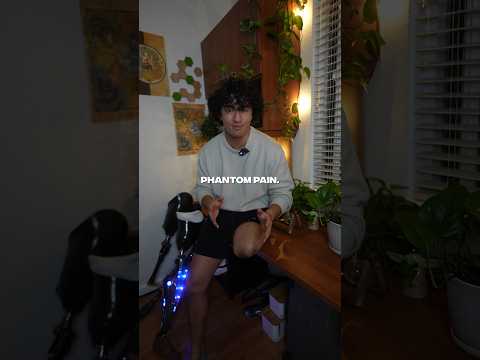
You know that feeling when your leg falls asleep, and it’s all tingly? Imagine that happening even after you’ve lost the limb. Sounds strange, right? That’s basically what Phantom Limb Syndrome is all about.
Este blog ofrece contenido únicamente con fines informativos, educativos y de reflexión. La información publicada no constituye consejo médico, psicológico ni psiquiátrico, y no sustituye la evaluación, el diagnóstico, el tratamiento ni la orientación individual de un profesional debidamente acreditado. Si crees que puedes estar atravesando un problema psicológico o de salud, consulta cuanto antes con un profesional certificado antes de tomar cualquier decisión importante sobre tu bienestar. No te automediques ni inicies, suspendas o modifiques medicamentos, terapias o tratamientos por tu cuenta. Aunque intentamos que la información sea útil y precisa, no garantizamos que esté completa, actualizada o que sea adecuada. El uso de este contenido es bajo tu propia responsabilidad y su lectura no crea una relación profesional, clínica ni terapéutica con el autor o con este sitio web.
So, picture this: you’re going about your day, and suddenly you feel this weird ache in a foot you don’t even have anymore. Crazy stuff! This syndrome messes with your mind and body in some unexpected ways.
In a nutshell, it highlights how connected we are to our bodies. Because honestly, losing a limb is just the start of the story. This condition dives deep into how our brain processes missing parts and grapples with those feelings.
Stick around as we explore the causes and effects of this fascinating phenomenon together. You’re gonna want to know all about it!
Understanding Phantom Limb Pain: The Intersection of Physical Sensation and Psychological Factors
Phantom limb pain can be a pretty perplexing and frustrating experience for those who’ve lost a limb. Imagine this: you’ve had an arm or a leg amputated, but even after the surgery, you still feel sensations—sometimes painful—coming from that missing part. It’s like your brain is playing tricks on you. So, let’s break down what’s going on here.
What is Phantom Limb Syndrome?
It refers to the sensation that the amputated limb is still there, and for many, it includes feelings of pain or discomfort. This isn’t just in someone’s head, though; it’s a real phenomenon that can mess with a person’s daily life.
Why Do People Experience This?
The main reason comes down to the brain’s wiring. When you lose a limb, the area of your brain responsible for sensing that limb doesn’t just shut off. Instead, it continues to send signals as if the limb were still present. Here are some key factors at play:
- Nerve Damage: The nerves cut during amputation can send confusing signals to your brain.
- Brain Plasticity: Your brain might still create sensations from areas that were once linked with that missing limb.
- Memory and Emotions: Emotional connections to the limb before amputation can also influence sensations.
Now, let’s think about a video game for a sec—like when you’re playing an immersive adventure game. If your character loses their arm in-game but you keep getting «feedback» from that arm through controls or vibrations? That’s kind of similar to what someone with phantom limb pain feels! It’s all about your brain’s expectations and memories mixing in with reality.
The Effects on Daily Life
The emotional toll of phantom limb pain can be hefty. Here are some ways it might affect someone:
- Sleepless Nights: Constant pain can make it hard to catch those Z’s.
- Anxiety and Depression: Struggling with chronic pain often leads to these feelings.
- Difficulties in Movement: Even though they’re not actually using the missing limb, discomfort affects how someone moves their body overall.
But hey, there’s hope! Many treatments exist out there ranging from medications to therapy aimed at retraining the brain. Things like mirror therapy—where people use mirrors to see their intact limbs moving as if they were moving their lost ones—can be surprisingly effective.
A Final Thought
Understanding phantom limb syndrome requires us to appreciate both physical sensations and psychological factors intertwined in complex ways. If you or someone you know is dealing with this condition, talking with a healthcare professional is crucial—not just for relief but also for navigating its challenges effectively.
So yeah, while it’s not easy dealing with phantom sensations after losing something so significant as a limb, recognizing its roots might help ease some frustrations along the way!
Understanding Phantom Pain: Causes and Psychological Factors Behind Sensations
Phantom pain can be a pretty confusing experience, can’t it? If you’ve never felt it, you might think it’s all in someone’s head—sort of like being haunted by a ghost. But there’s actually a lot going on behind those sensations, especially when we’re talking about something called Phantom Limb Syndrome.
So, what is Phantom Limb Syndrome? Well, it’s when someone feels pain or other sensations in a limb that’s no longer there. Imagine losing an arm or leg but still feeling as if it’s there—sometimes even feeling pain from it! It sounds bizarre, but trust me, this is a real thing.
Now, let’s break down the causes of phantom pain. It’s not just one thing causing those strange feelings; it’s more like a whole mix:
- **Nerve Damage**: When someone loses a limb, the nerves that used to communicate with that limb might get damaged or confused. They can still send signals to the brain that something isn’t right.
- **Brain’s Map**: Your brain has something called a “homunculus.” Think of it as your brain’s map of your body. When you lose an arm or leg, the part of the map corresponding to that limb doesn’t just disappear—it might get mixed signals from other areas.
- **Emotional Factors**: Losing a limb is often traumatic and can lead to feelings of grief and loss. These emotional responses can trigger those pesky phantom sensations.
But wait! There’s even more to this than just physical stuff. The psychological factors are super important too:
- **Coping Mechanisms**: How someone copes with their loss affects their experience of phantom pain. Some folks may have a harder time adjusting emotionally, leading to intensified sensations.
- **Anxiety and Depression**: If you’re feeling anxious or down after losing a limb, those emotions can amplify phantom sensations. Basically, your mental health and physical pain are intertwined!
- **Memory Triggers**: Sometimes memories associated with the lost limb can bring back sensations. For instance, if you used to love playing guitar before losing your hand, thinking about strumming might make you feel like your fingers are still there!
Honestly? People describe phantom pain in all sorts of ways—tingling like pins and needles, burning sensations, or even cramping feelings. It’s frustrating because there’s no one-size-fits-all answer when it comes to these experiences.
Let’s talk about some approaches people use to manage this tricky sensation:
- **Mirror Therapy**: This involves using mirrors for visual tricks; looking at your reflection can sometimes help retrain the brain into thinking the missing limb is still there.
- **Medication & Therapy**: Some folks rely on medication or physical therapy as effective ways to ease their discomfort.
- **Mindfulness Techniques**: Practicing mindfulness or meditative techniques helps some people focus less on their discomfort and more on relaxation.
Still confused? That makes sense! With phantom pain being such an emotional rollercoaster mixed with physical elements, it’s crucial for anyone dealing with it to seek support from healthcare professionals who understand both sides.
In this whole mix of causes and psychological factors behind phantom pain lies an important lesson—our bodies and minds are deeply connected in ways we’re only beginning to truly understand! So if you or someone you know struggles with these kinds of sensations after trauma or loss—remember you’re not alone. Seek support when needed!
Exploring Effective Treatments for Phantom Pain: Can It Be Cured?
Phantom pain is quite the tricky topic. You know, it’s that sensation where people feel pain in a limb that’s no longer there. It’s like your brain is playing tricks on you. So, can it be cured? Well, let’s break it down.
Phantom Limb Syndrome is mostly experienced by individuals who have lost a limb due to injury or surgery. The feelings can range from tingling and itching to intense pain. It’s deeply tied to the brain’s representation of body parts, which means your brain still has this “map” of where everything used to be.
So, what causes this phenomenon? Here are a few key factors:
- Neurological Changes: After losing a limb, the areas of the brain that were once responsible for sensations in that limb may become misfired.
- Nerve Damage: When nerves are damaged during an amputation, they can create signals interpreted as pain even if there’s nothing there.
- Psychological Factors: Sometimes, emotional stress linked to the loss can amplify the sensations and feelings of pain.
Now, on to treatments! There are various methods out there attempting to tackle phantom pain. Some people respond differently to each method. Here are some common ones:
- Medication: Doctors often prescribe medications like antidepressants or anticonvulsants to help manage the discomfort.
- Physical Therapy: Engaging in physical therapy can aid in retraining the brain and alleviating some of those painful sensations.
- Mirror Therapy: This funky technique uses mirrors placed in front of the remaining limb. Watching how your «mirrored» limb moves might send new signals to your brain and reduce the phantom sensations.
I remember reading about a guy named Joe who lost his leg in an accident. He thought he was going crazy because he kept feeling his foot itch as if it was still there! After trying several treatments, including mirror therapy, he found some relief. It was like his brain slowly learned not to itch at something that wasn’t even there.
Some folks have had success with more advanced treatments too:
- Virtual Reality Therapy: This techy approach immerses patients in virtual environments where they can see their missing limbs and interact with them.
- Pain-Relief Techniques: Relaxation techniques or acupuncture have also shown promise for some individuals dealing with phantom pain.
But here’s the important part: no single treatment works for everyone. It’s all about finding what clicks for you personally.
In short, while phantom pain can be persistent and debilitating, various methods aim to provide relief. Make sure you talk with healthcare professionals who specialize in this area—it can make a world of difference.
To sum up: exploring options and being open-minded might lead you towards managing or even reducing those pesky phantom sensations!
So, phantom limb syndrome, huh? It’s one of those things that really makes you stop and think for a minute. Imagine losing a leg or an arm and then still feeling like it’s there. Crazy, right? That’s exactly what people with this condition experience. They might feel itching, pain, or even warmth in a limb that no longer exists. It’s like your brain is playing tricks on you.
I remember reading about a guy named Joe who lost his arm in an accident. He told this story about how he could still feel his fingers tingle as if they were resting on something cool. Sometimes he even felt pain in that “phantom” hand after clenching it really tightly during dreams. Imagine the confusion! You’d think you’re going nuts when you know something isn’t there but your body swears otherwise.
The science behind it is pretty fascinating too. When we lose a limb, our brain doesn’t just hit delete on the neural pathways connected to that part of the body. Nope! Those pathways are still firing away, sending signals like they used to when everything was intact. It’s like your brain is stuck on an old channel and doesn’t realize it needs to switch to something new.
Now, there are some psychological effects that come into play here as well. People dealing with phantom limb sensations often go through anxiety or depression because of the pain or discomfort they feel from limbs that aren’t there anymore. Can you imagine how frustrating that would be? It can make life pretty rough and sometimes leads people to feel isolated.
But hey, there’s hope! Many folks find relief through therapies—some amazing techniques involve mirror therapy where they use a mirror to trick their brain into thinking the missing limb is still functioning normally! Seriously stunning how our brains can be fooled.
At its core, phantom limb syndrome opens a window into how connected we are with our bodies and minds—intertwined in ways we don’t always pay attention to until something drastic happens. All in all, it’s a reminder of just how complex and mysterious our perception of reality can be—even when it comes down to limbs we can’t see anymore!


