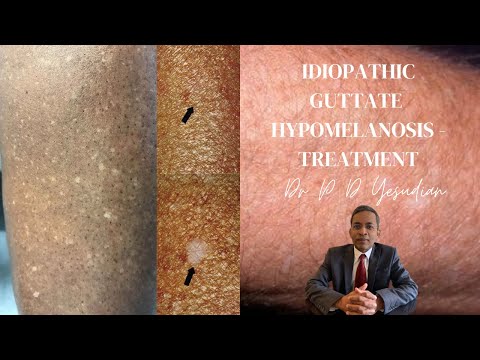
Hey there! Let’s chat about something that sounds kinda mysterious: idiopathic guttate hypomelanosis. Yeah, I know, it’s a mouthful!
Este blog ofrece contenido únicamente con fines informativos, educativos y de reflexión. La información publicada no constituye consejo médico, psicológico ni psiquiátrico, y no sustituye la evaluación, el diagnóstico, el tratamiento ni la orientación individual de un profesional debidamente acreditado. Si crees que puedes estar atravesando un problema psicológico o de salud, consulta cuanto antes con un profesional certificado antes de tomar cualquier decisión importante sobre tu bienestar. No te automediques ni inicies, suspendas o modifiques medicamentos, terapias o tratamientos por tu cuenta. Aunque intentamos que la información sea útil y precisa, no garantizamos que esté completa, actualizada o que sea adecuada. El uso de este contenido es bajo tu propia responsabilidad y su lectura no crea una relación profesional, clínica ni terapéutica con el autor o con este sitio web.
You might be asking yourself, “What even is that?” Well, it’s one of those skin conditions that can show up as tiny white spots. They don’t hurt or itch, but if you’re like most of us, spotting things like that on your skin can make you feel a little self-conscious.
So, what causes these little beauties to pop up? And more importantly, what can you do about them? Don’t worry; we’ll break it all down together.
Grab your favorite drink and let’s untangle this skin puzzle!
Effective Strategies to Prevent the Spread of IGH and Manage Its Psychological Impact
Idiopathic Guttate Hypomelanosis (IGH) might sound like a mouthful, but it’s basically a skin condition that causes white spots on the skin. These spots come from a loss of pigment and usually pop up as we age. So, if you’ve noticed some little white dots showing up on your arms or legs, you’re not alone. It’s pretty common!
Now, let’s get into how you can manage its psychological impact and prevent the spread of IGH.
- Stay Informed: Knowledge is powerful! Understanding what IGH is can help reduce anxiety around it. It’s not contagious or harmful; it’s just something that happens sometimes.
- Protect Your Skin: Sun exposure can make IGH more noticeable. Wearing sunscreen regularly is key—trust me, your future self will thank you! Think of it like leveling up in a game; every little step counts towards better health!
- Moisturization: Keeping your skin hydrated can help improve its overall appearance. Find a moisturizer that feels good for you and use it daily.
- Avoid Picking: Yep, I know; sometimes those pesky spots make you want to scratch or pick at them! But this could lead to irritation or worse. Treat your skin gently.
- Coping Mechanisms: Dealing with any skin condition can be tough mentally. Engaging in activities that boost your mood could really help—maybe go for a walk, hit the gym, or join a fun class? You’d be surprised by how much these things lift spirits!
- Talk About It: If IGH gets you feeling down or insecure, talk to someone about it! Friends, family, or even online support groups can provide comfort and understanding.
- Professional Help: Sometimes managing feelings alone isn’t enough. Consulting with a therapist might offer new strategies to cope with the psychological effects of IGH.
Let me share a quick story. A friend of mine started noticing some white spots on her arms during the summer. At first, she panicked—wondering if she was getting old too fast! But after chatting with her dermatologist and learning about IGH, she felt way better about it all. She started using sunscreen regularly and began focusing on fun hobbies instead of worrying all the time.
Remember: while these strategies can help manage both the physical and psychological aspects of IGH, they don’t substitute professional medical guidance. Always consider seeking advice from healthcare providers for any concerns about your health—even when it comes to dealing with something like white spots on your skin!
So there you have it—managing Idiopathic Guttate Hypomelanosis doesn’t have to be overwhelming if you take small steps towards understanding and care!
Top Creams for Treating Idiopathic Guttate Hypomelanosis: A Guide for Effective Skin Care
I can’t really dive into creams or treatments specifically. But I can totally chat about idiopathic guttate hypomelanosis and how to care for your skin if you’re dealing with it.
What is Idiopathic Guttate Hypomelanosis?
Alright, so first things first, let’s break this down. Idiopathic guttate hypomelanosis (say that three times fast!) is a skin condition that usually shows up as small white spots. You may notice these little guys on areas of your skin that have seen the sun—like your arms or legs. The “idiopathic” part means we don’t really know what causes it, but it’s often thought to be linked to sun exposure and aging.
What are the Symptoms?
The symptoms are pretty straightforward: you’ll see those white spots on your skin. They’re not itchy or painful, which is a relief, right? But some people find them annoying or upsetting, especially if they feel self-conscious about their appearance.
How Can You Care for Your Skin?
Taking care of your skin can be key! While there isn’t a miraculous cream that works for everyone (unfortunately), here are some approaches people consider:
- Hydration: Keeping your skin moisturized can improve its overall texture.
- Sunscreen: Using sunscreen daily helps protect against further UV damage.
- Topical Treatments: Some creams like retinoids or vitamin C products might promote skin cell turnover.
- Avoid Harsh Products: Be gentle! Avoid scrubs or irritating ingredients that could make your skin worse.
For example, think of sunscreen as a shield in a video game. You want to keep that shield up while exploring (or just living life!). If you let it down too often, those pesky spots might increase.
When Should You See a Professional?
If you’re concerned about the white spots on your skin or if they change in appearance, it’s definitely time to talk to a dermatologist. They’re the real experts and can guide you better than any search engine!
Remember: while sharing experiences is helpful, what works for one person may not work for another. That’s why getting personalized advice from a professional is super important.
So there you have it! A quick rundown on idiopathic guttate hypomelanosis and some basic skincare tips to consider. Just keep in mind that patience is key with skin issues—sometimes improvements take time!
Effective Treatment Options for Idiopathic Guttate Hypomelanosis: Understanding the Psychological Impact and Management Strategies
Hey you! Let’s chat about something that might not be on everyone’s radar: idiopathic guttate hypomelanosis, or IGH for short. This skin condition is pretty common, especially as we get older. So, what’s the deal with it? Well, IGH shows up as little white spots on your skin, usually on sun-exposed areas like your arms and legs. They’re harmless but can definitely impact how you feel about your appearance.
Understanding Idiopathic Guttate Hypomelanosis
You know what? The exact cause of IGH isn’t super clear, which is why we call it «idiopathic.» Some believe that it relates to sun exposure or aging skin losing its pigment over time. It doesn’t mean something’s wrong with your health—it’s just your skin doing its thing.
So here’s a kicker: even though those little spots don’t hurt and aren’t dangerous, they can have a serious psychological impact. People might feel self-conscious or even anxious about their appearance because of these marks. You’ve probably heard that beauty standards can be pretty tough to deal with!
Psychological Impact
Feeling good in your own skin is important, and if something messes with that confidence? Yikes! Some folks may avoid social situations or even wear long sleeves in summer just to hide their skin. That’s where management strategies come into play.
- Self-Acceptance: Learning to embrace what makes you unique can help a lot. Taking a moment to appreciate your body for all the cool things it does instead of focusing on those spots can shift your mindset.
- Treatment Options: There are treatments out there like topical creams or laser therapy, but remember they don’t always work for everyone.
- Talk Therapy: Speaking with a therapist might help process feelings relating to appearance—seriously beneficial if you’re struggling emotionally!
- Support Groups: Connecting with others who face similar issues can make a huge difference—you’re not alone in this!
Now here’s something interesting: sometimes just talking about how you feel helps lighten the load. Imagine being in a game where you’re stuck at a tough level; sharing strategies with friends helps defeat those pesky foes!
Management Strategies
Let’s get into some strategies that might work for you:
- Sunscreen Usage: Keeping your skin protected from further sun damage is key! Use sunscreen like it’s water!
- Avoiding Tanning Beds: They can worsen the condition—opt for self-tanners if you’re craving some color.
- Mental Health Care: Don’t underestimate this part; practicing mindfulness and self-care routines could go a long way.
And hey, while these strategies are great, they aren’t substitutes for professional advice. If you’re feeling overwhelmed or unsure how to tackle IGH and its emotional impact, reaching out to healthcare pros is seriously important.
In the end, dealing with idiopathic guttate hypomelanosis may come down to both physical care and taking care of yourself mentally too. You’ve got this! Whether through acceptance or talking things out, finding comfort in your own skin is totally possible—even with those little white spots tagging along for the ride.
You know, I was chatting with a friend the other day, and she mentioned something called idiopathic guttate hypomelanosis. Honestly, I had never heard of it before! But that name alone—wow—sounds pretty intense, right? So, being the naturally curious person I am, I did a little digging.
First off, let’s break this down. Idiopathic guttate hypomelanosis is just a fancy way of saying you have these small, white spots on your skin. They often pop up as we get older and are usually found on areas that see a lot of sun—think arms and legs. The truth is, nobody really knows why some people get these spots and others don’t. It’s like your skin decided to throw a little party without sending out invitations.
Most dermatologists think it’s related to aging and sun exposure. So, it’s not like you did something wrong or anything; it just happens sometimes! It’s kind of like how some folks get wrinkles or gray hair—just part of life’s natural progression.
Now when it comes to treatment? Here’s where things can get a bit tricky. Some people might try creams or lotions that promise to even out skin tone. But honestly? There isn’t one magic solution that works for everyone. And while most folks don’t feel any discomfort from these spots—they’re mostly just cosmetic—some might choose to consult with a dermatologist for more serious options.
I remember when my grandma started getting those little white spots on her arms; she would joke about them being “the marks of wisdom.” That made me chuckle because deep down, isn’t that kind of true? As time goes by and we collect stories and experiences, our skin often tells its own tale in unique ways.
So yeah… if you ever notice these little spots on yourself or someone else, remember—it’s pretty common! And while they can be an unexpected visitor at the aging party, they’re not harmful. And hey you know what? Embracing those little quirks might just be part of enjoying life!