Hey you! So, let’s chat about something that’s been on my mind. You ever feel like you’re stuck in a fog? Like, no matter what you do, getting out of bed seems like climbing Mount Everest?
Este blog ofrece contenido únicamente con fines informativos, educativos y de reflexión. La información publicada no constituye consejo médico, psicológico ni psiquiátrico, y no sustituye la evaluación, el diagnóstico, el tratamiento ni la orientación individual de un profesional debidamente acreditado. Si crees que puedes estar atravesando un problema psicológico o de salud, consulta cuanto antes con un profesional certificado antes de tomar cualquier decisión importante sobre tu bienestar. No te automediques ni inicies, suspendas o modifiques medicamentos, terapias o tratamientos por tu cuenta. Aunque intentamos que la información sea útil y precisa, no garantizamos que esté completa, actualizada o que sea adecuada. El uso de este contenido es bajo tu propia responsabilidad y su lectura no crea una relación profesional, clínica ni terapéutica con el autor o con este sitio web.
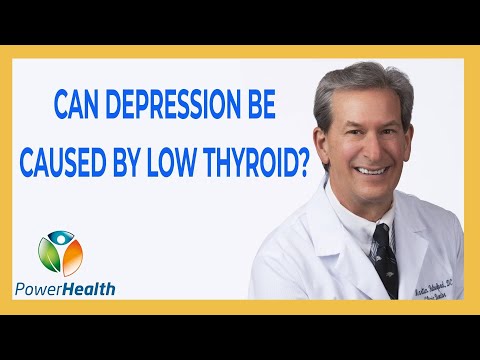
Well, it turns out that sometimes the physical and mental worlds collide in ways we don’t expect. Hypothyroidism might be part of the puzzle if you’re feeling a bit “blah” and can’t quite shake it off.
I mean, we often think of depression as just a state of mind, right? But what if I told you there’s more to the story? Let’s dig into how your thyroid and mood might be connected—it’s kinda wild!
Understanding the Link Between Hypothyroidism and Its Impact on Depression and Anxiety
Let’s take a moment to chat about something that might not be the first thing on everyone’s mind but has a profound impact on many: hypothyroidism. This condition occurs when your thyroid gland doesn’t produce enough of certain hormones, which are super important for energy levels, metabolism, and even mood. You see, when your thyroid acts like it’s on vacation, it can really mess with how you feel emotionally.
So, how does this link up with feelings of depression and anxiety? Well, let’s break it down:
- Hormone Imbalance: Your thyroid hormones help regulate brain function. Low levels can lead to mood swings and feelings of sadness or anxiety.
- Energy Levels: Feeling drained all the time? Hypothyroidism often comes with fatigue that can make anyone feel down or anxious about daily tasks.
- Weight Changes: Weight gain is common with hypothyroidism. This can affect self-esteem and lead to anxiety or depression related to body image.
- Cognitive Issues: Ever heard of «brain fog»? That feeling when you can’t focus? Yep, low thyroid hormone levels can lead to this too, which adds stress and might stir up anxious thoughts.
You might think of it like a video game. If your character is supposed to have certain powers but they’re not activated (thanks to the thyroid), the game gets harder. You struggle more; you miss out on all the fun stuff. It’s similar when your emotions don’t function right because of these hormone issues.
A personal story that really hits home for many folks: Imagine someone who used to be super social and lively suddenly feeling isolated and down. After some back-and-forth with doctors, they find out their thyroid was underactive! Once they got proper treatment, their mood started lifting as their body got back into balance.
This doesn’t mean every case of depression or anxiety is linked to hypothyroidism—far from it! There are so many factors in mental health. But if you’re noticing serious mood changes along with other symptoms like fatigue or unexpected weight gain, chatting with a healthcare professional is wise. They can help rule things out or point you in the right direction.
In short: if you’re feeling off, don’t just chalk it up to life stressors. Pay attention; your thyroid could be playing a role! Remember though; getting proper treatment requires a check-in with a doctor who understands these issues well.
Exploring the Link Between Hypothyroidism and Depression: A Review of Scholarly Articles
Sure, let’s chat about the connection between hypothyroidism and depression. It’s pretty interesting when you dig into it. You might find it surprising how these conditions are interconnected.
Hypothyroidism is when your thyroid gland doesn’t produce enough hormones. This can lead to a whole bunch of symptoms, like fatigue, weight gain, and—you guessed it—mood changes. In fact, studies have shown that depression often pops up in people who have hypothyroidism.
Now, why is this the case? Well, here are some key points:
- Hormonal Imbalance: The thyroid hormones play a crucial role in regulating your mood. When they’re off-kilter, you might feel more anxious or sad.
- Cognitive Functioning: Low thyroid levels can affect your brain function too. Think of it like trying to play a video game with lag; everything just feels slower!
- Serotonin Levels: This happy chemical in your brain can also be impacted by thyroid issues. Less serotonin equals more chance for feeling down.
- Psycho-Social Factors: Dealing with the physical symptoms of hypothyroidism might make you feel isolated or frustrated, which can contribute to depression.
So here’s where it gets personal—imagine a friend who used to be bubbly and full of life suddenly feeling tired all the time and losing interest in things they once loved. Maybe they felt hopeless or just couldn’t shake off that heavy blanket of sadness. Those feelings may not just come from a bad day; they could stem from something like low thyroid hormone levels.
But hold on! Just because someone has hypothyroidism doesn’t mean they’ll definitely experience depression. It’s not a one-size-fits-all situation. Research suggests that early diagnosis and proper treatment can significantly improve mood symptoms for many individuals.
It’s super important to remember that if you’re feeling depressed or think you might have hypothyroidism, reaching out to a healthcare professional is key—they can help get things sorted out. You know what? Getting tested for thyroid function is pretty simple and could clear up a lot of uncertainty.
In short, if you’re in this boat or know someone who is, understanding the connection between these two conditions might just shed some light on what’s going on emotionally and physically. And hey, let’s not forget: seeking support is never a bad idea!
Understanding Hypothyroidism: Common Symptoms of Depression and Their Impact
Well, let’s chat about something that often flies under the radar but can really impact how you feel and function daily: hypothyroidism. Yeah, it sounds all medical and stuff, but it’s more common than you might think. What’s wild is how it can link up with feelings of depression.
To start off, your thyroid is this small butterfly-shaped gland in your neck. It cranks out hormones that help regulate a bunch of body functions, including your mood and energy levels. But when it’s not working properly—like in hypothyroidism—you might notice some pretty noticeable changes.
Common Symptoms of Hypothyroidism
So, what are the signs that something’s off? Here’s a quick rundown:
- Fatigue: Feeling like you can’t get out of bed even after a full night’s sleep? That’s classic.
- Weight Gain: If you seem to be gaining weight without changing your eating habits or lifestyle, that could be another red flag.
- Cold Sensitivity: Are you always chilly? The thyroid helps regulate body temperature, so if it’s underactive, you might feel cold more often.
- Dry Skin and Hair: Notice your skin is dryer than usual or your hair is thinning? Yup, another symptom!
- Mood Changes: That’s where the connection to depression kicks in. You know how sometimes life feels heavy and sad for no reason? That could be linked to thyroid issues.
Now, maybe you’ve heard of some folks who feel like they’re stuck in a video game with no way to level up—that’s kind of what living with these symptoms can feel like. You’re going through the motions but not really living your best life!
The Connection Between Hypothyroidism and Depression
So here’s the scoop: when your thyroid isn’t producing enough hormones (the big players being T3 and T4), it can mess with neurotransmitters in your brain—yeah, the little chemical messengers that affect mood. This imbalance can lead to feelings of sadness or anxiety.
Imagine playing an RPG where all your character stats are low—it makes everything harder! In this case, if those neurotransmitter levels are off-kilter because of hypothyroidism, it’s like trying to fight a boss battle without any power-ups; you’re just at a disadvantage.
Treatment Options
Anyway, if you’re sensing something’s wrong—like feeling down or dragging through every day—it’s key to see a healthcare provider. They typically do blood tests to check hormone levels. If hypothyroidism shows up as the culprit, treatment usually involves medication; you know—those little pills that help regulate hormone levels back into balance.
And let me tell you: many individuals experience improvements in their mood once they start treatment! It might take time though—just hang tight.
Lifestyle Tweaks
In addition to medication (if that’s recommended), there’re some lifestyle changes that could help support thyroid health:
- Nourishing Diet: Eating whole foods rich in nutrients can go a long way.
- Regular Exercise: Even light movement helps lift mood and energy.
- Sufficient Sleep: Don’t underestimate rest; it’s essential for emotional well-being!
The big takeaway? Hypothyroidism can significantly influence mental health by contributing to feelings of depression. Awareness is crucial here! So pay attention to those signs and reach out for support when needed.
Just remember though: this info isn’t meant as a substitute for professional healthcare advice or treatment. You’re not alone in this; plenty have walked this path before! Just keep on shining!
So, let’s chat about this thing called hypothyroidism and how it can sometimes bring along a rather unwelcome guest: depression. If you’re not familiar with hypothyroidism, your thyroid gland doesn’t produce enough hormones, which can cause a whole list of health issues. And trust me when I say those issues can mess with your mood more than you might think.
A friend of mine, let’s call her Sarah, was diagnosed with hypothyroidism a couple of years ago. At first, she felt tired all the time and blamed it on just being busy with work and life. But then came the gloomy feelings; she started losing interest in things she loved—like painting and hiking. It was like a fog had rolled in, and it just wouldn’t lift. She thought she was just stressed out! It took seeing her doctor to connect those dots between her thyroid levels and her mood.
Okay, so why is there this connection? Well, your thyroid hormones play a huge role in regulating metabolism but they also impact brain function. Low levels can lead to feelings of sadness or hopelessness. Research shows that people with hypothyroidism tend to experience higher rates of depression than those without it. Really puts things into perspective, doesn’t it?
But here’s the catch—you don’t always notice right away that these two are linked. Depression might creep in slowly as your energy wanes or your motivation dwindles. And because society often separates mental health from physical health, many people don’t realize their thyroid could be the culprit behind their emotional struggles.
It’s super important to have open conversations about this stuff! If you’re feeling down and suspect it might be more than just “having a bad day,” it’s worth checking in with a doctor about your thyroid function too. Sometimes sweet relief from anxiety or depressive thoughts could be as simple as adjusting medication or treatment for that underactive thyroid.
At the end of the day, knowing there’s a connection helps normalize these experiences—it’s not all in your head! So whether you’re dealing with hypothyroidism yourself or supporting someone who is, understanding this link can pave the way for better health all around! You know? It’s really about connecting those dots and taking charge of overall well-being—physically and emotionally!