Hey there! So, let’s talk about something that’s been sneaking into a lot of our lives lately: depression and anxiety attacks. Seriously, it can feel like you’re just going about your day, and bam! Out of nowhere, it hits you.
Este blog ofrece contenido únicamente con fines informativos, educativos y de reflexión. La información publicada no constituye consejo médico, psicológico ni psiquiátrico, y no sustituye la evaluación, el diagnóstico, el tratamiento ni la orientación individual de un profesional debidamente acreditado. Si crees que puedes estar atravesando un problema psicológico o de salud, consulta cuanto antes con un profesional certificado antes de tomar cualquier decisión importante sobre tu bienestar. No te automediques ni inicies, suspendas o modifiques medicamentos, terapias o tratamientos por tu cuenta. Aunque intentamos que la información sea útil y precisa, no garantizamos que esté completa, actualizada o que sea adecuada. El uso de este contenido es bajo tu propia responsabilidad y su lectura no crea una relación profesional, clínica ni terapéutica con el autor o con este sitio web.
And it’s not fun, right? You might feel like you’re stuck in a fog that just won’t lift. I mean, who hasn’t had one of those moments where everything feels heavier than usual?
It’s wild how our minds can play tricks on us. Sometimes everything seems fine until suddenly it doesn’t. That’s the thing about these feelings—they can come out of the blue and really mess with your head.
But you’re not alone in this struggle; so many people deal with these ups and downs. So let’s break it down together—what these anxiety attacks are all about and how they can shake things up in your life. Sound good? Cool!
Identifying Symptoms of Depression and Anxiety: A Clear Guide
Depression and anxiety are like those uninvited guests that crash your party and just won’t leave. Seriously, they can sneak up on you and make everything feel overwhelming. So, let’s break down some of the **symptoms** of both, shall we?
Symptoms of Depression
- Feeling sad or hopeless for long periods. You know? Like when you finish a game and realize you have to wait for the next release.
- Loss of interest in activities that used to bring joy. Think about favorite hobbies—ever feel like they just don’t spark joy anymore?
- Significant changes in appetite or weight—either losing or gaining it without trying.
- Trouble sleeping or sleeping too much. It’s like hitting snooze is the only thing keeping you going.
- Feeling tired or lacking energy, even after a full night’s sleep.
- Difficulty concentrating, making decisions or remembering things. It’s frustrating when your mind feels foggy, right?
- Thoughts of death or suicide. That’s definitely a red flag, and it’s so important to talk about it with someone who can help.
Think about it like this: imagine you’re playing your all-time favorite game—everything seems great until suddenly, you’re stuck on a level that just feels impossible to beat. That sense of hopelessness? Yeah, that can pop up in real life too.
Symptoms of Anxiety
Now let’s shake things up with anxiety; it often feels like having a million tabs open in your brain at once.
- Persistent worry about everyday situations—it could be small stuff but gnaws at you anyway.
- Restlessness or feeling on edge—like waiting for an important notification that keeps not coming.
- Fatigue that’s hard to shake off even after resting.
- Difficulties with concentration—ever zone out mid-game because the pressure is too high? Yeah, anxiety does that!
- Tachycardia—that’s fancy talk for feeling your heart racing like it’s running its own marathon.
- Sweating more than usual or feeling shaky—it’s like your body’s way of saying “Hey! Something’s off!”
- Avoidance behaviors—staying home instead of going out because social situations feel scary.
You see how anxiety can creep into everyday life? It’s kind of like getting anxious when you’re at a tricky part in a game; you want to succeed but feel overwhelmed by the pressure.
The Effects
Both conditions can have really big effects on how we live our lives. They might make everything seem harder than it has to be:
- Your relationships could suffer—you might push away friends or family without meaning to.
- Your work performance could take a hit—not being able to focus means you can’t show up as your best self.
- Mood swings might become common; one minute you’re okay, and the next you’re not!
But remember: none of this is permanent! These symptoms are signals from your mind and body saying something needs attention.
If you’re nodding along as you read this, it might be time to reach out for help from someone who gets it—a friend, family member, or even a professional who can guide you through these struggles.
In the end, understanding what depression and anxiety look like is just the first step toward finding those supportive resources that’ll help alleviate those feelings. You’re not alone in this!
Anxiety vs. Depression: Understanding Which Condition is More Challenging
Alright, let’s chat about anxiety and depression. People often throw these terms around, but they’re not the same thing, and comparing them can get a bit tricky. Both of them can be really tough to deal with, but understanding their differences might help you or someone you care about figure out what’s what.
Anxiety is like having your body’s alarm system stuck on high alert. You could feel jittery, worried about everyday situations, or maybe even panic at random times. Think of it as being in a constant state of “ready to fight or run.” That tension can lead to physical symptoms like faster heart rates or even sweating.
Now, depression is more like a heavy blanket that keeps you from feeling anything at all—sort of dulls life’s colors. You may feel persistently sad, empty, or hopeless. Getting out of bed feels like climbing a mountain some days. Remember that scene in a game where your character has to power through tough terrain? That’s what it can feel like just trying to take one step.
But here’s where it gets interesting: sometimes they can overlap! It’s not uncommon for someone with anxiety to also experience depression and vice versa. You see how this can get complicated? Let’s break down some key points:
- Symptoms: Anxiety often comes with restlessness or excessive worry while depression drags you down with low energy and loss of interest in things.
- Duration: Anxiety might be more situational—you feel anxious before a big meeting or exam—but depression tends to stick around for longer periods.
- Social Effects: Anxiety might cause you to avoid social situations because you fear judgment; however, depression might make you withdraw simply because you don’t have the energy.
- Treatment: Both need different approaches; therapy works wonders for both conditions and sometimes medication helps too—but always talk to a professional!
I mean, I remember chatting with a friend who struggled with both. She’d tell me that sometimes when anxiety hit hard during exams, all it did was amplify her feelings of hopelessness when she didn’t score well. It was like being stuck in an endless cycle!
So which one is more challenging? Honestly? It depends on the person and their situation! For some people, anxiety feels unbearable because it’s so intense and immediate; for others, the deep-seated sadness of depression seems insurmountable.
In the end, it would be super helpful for anyone struggling to reach out—to friends, family or professionals who understand these feelings! Seriously don’t hesitate if this resonates with you.
To sum it up: both anxiety and depression are serious conditions that deserve attention. They’re not just phases or things you can “snap out” of easily. If you’re experiencing either—or especially both—don’t hesitate to seek professional support; it really is key in navigating these challenges effectively!
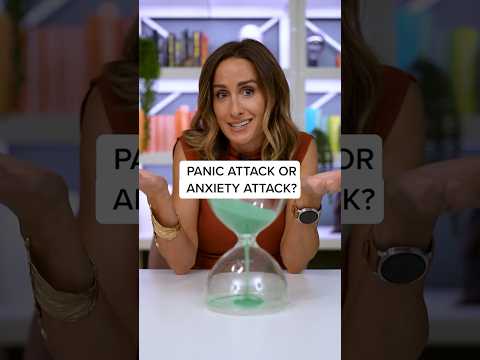
Panic Attack vs Anxiety Attack: Key Differences and Understanding Symptoms
So, you might have heard people throwing around the terms «panic attack» and «anxiety attack,» but let’s clear things up a bit. They’re not exactly the same thing, despite how similar they sound. Let’s break it down together.
Panic attacks are intense episodes that show up out of nowhere. You could be chilling, watching Netflix, and suddenly feel like you’ve been punched in the gut. You know, that heart-racing feeling where you think you’re losing control or even dying? It usually lasts for about 10 to 20 minutes but can feel way longer when you’re in it.
Some common symptoms of a panic attack include:
- Rapid heartbeat
- Sweating
- Trembling or shaking
- Feeling dizzy or lightheaded
- Nausea
- A sense of impending doom
Now compare that with anxiety attacks. They usually develop more gradually and often stem from specific stressors or worries. It’s like getting stuck on a level in a video game where everything just feels too overwhelming. Take your time; you can work through it! Anxiety attacks can last for hours or even days if you don’t manage your stress, which can really drag you down.
The symptoms often look like this:
- Persistent worrying
- Irritability or restlessness
- Tiredness or fatigue
- Difficulties concentrating
- Sleep disturbances
Let me share a quick story that helps illustrate this! A friend once told me about her first panic attack while she was out shopping. One minute she’s browsing through clothes, the next minute she feels her heart pounding like crazy and thinks “OMG, what’s happening?!” She immediately left the store, scared and confused. That was panic hitting her out of nowhere.
On the flip side, I’ve had moments where I sat up at night thinking about my life choices—feelings of anxiety creeping in slowly until I can’t sleep at all. It doesn’t hit me like a truck; instead, it’s like an annoying fly buzzing around my head—relentless!
A biggie to keep in mind is that while these experiences are tough, they don’t replace professional help if you need it! Talking to someone who knows their stuff can really make a difference.
The bottom line? Knowing the difference between panic and anxiety attacks empowers you to manage your feelings better. Next time you feel those waves coming on—whether fast and furious or slow and steady—you’ll recognize what’s up!
So, let’s talk about depression and anxiety attacks. You know, those heavy feelings that creep up on you like a bad cold? They can hit hard, and often when you least expect it. It’s like trying to walk through thick mud; every step feels heavy and exhausting.
I remember once sitting in a coffee shop, completely surrounded by people. There was laughter, clinking of cups, and the smell of fresh pastries in the air. But all I could feel was this overwhelming wave of sadness and anxiety washing over me. I couldn’t seem to breathe right. My heart raced, my palms got sweaty—it was as if I was drowning in a sea of emotions while everyone else enjoyed their day.
So what’s going on here? Well, depression is more than just feeling sad for a few days. It can linger like that annoying song stuck in your head! It messes with your energy levels, motivation, and even how you see yourself. You might feel hopeless or numb—like everything around you is just gray.
And then there are anxiety attacks… Seriously intense moments where your mind goes into overdrive with worry. That feeling when your chest tightens up? Yeah, that’s not fun at all. In those moments, rational thinking can feel completely out the window; panic takes the wheel instead.
What’s wild is how these two often dance together—like an awkward couple at a prom—you know? Depression can fuel anxiety and vice versa. When you’re already feeling low, tossing an anxiety attack into the mix is like adding gasoline to a fire!
The effects go beyond just mental turmoil too. You might notice changes in sleep patterns; suddenly getting out of bed feels like climbing Mount Everest! Social situations may become daunting too—you could start isolating yourself because facing the world feels too overwhelming.
But here’s a little glimmer of hope: recognizing what you’re going through is crucial! Talking about it with friends or seeking professional help (that doesn’t mean you’re weak!) can lighten that load bit by bit.
Taking care of yourself matters more than you might think—whether it’s small things like daily walks or journaling your thoughts. Each step counts—even if it feels tiny at first!
In the end, you’re not alone in this struggle even if it sometimes feels isolating as heck! Through ups and downs we learn so much about ourselves—and believe me when I say those lessons shape who we are down the road. So hang in there; brighter days are ahead!

