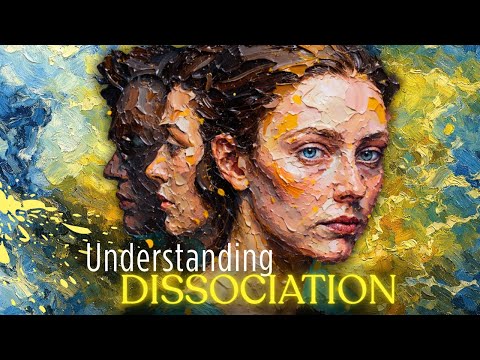
Dissociation, huh? Sounds intense, right? But it’s more common than you might think.
Este blog ofrece contenido únicamente con fines informativos, educativos y de reflexión. La información publicada no constituye consejo médico, psicológico ni psiquiátrico, y no sustituye la evaluación, el diagnóstico, el tratamiento ni la orientación individual de un profesional debidamente acreditado. Si crees que puedes estar atravesando un problema psicológico o de salud, consulta cuanto antes con un profesional certificado antes de tomar cualquier decisión importante sobre tu bienestar. No te automediques ni inicies, suspendas o modifiques medicamentos, terapias o tratamientos por tu cuenta. Aunque intentamos que la información sea útil y precisa, no garantizamos que esté completa, actualizada o que sea adecuada. El uso de este contenido es bajo tu propia responsabilidad y su lectura no crea una relación profesional, clínica ni terapéutica con el autor o con este sitio web.
Imagine being in a tough spot. Like, maybe you’re having a rough day, and suddenly you zone out. Your mind drifts away while your body is still there. Crazy, right?
That’s dissociation in action! It’s this wild way our brain protects us from stress or trauma. You might feel detached from reality or even from yourself.
But here’s the thing: it can happen to anyone! Whether it’s daydreaming in a boring meeting or zoning out during a movie, we all experience it at some point.
So let’s break it down together. What does dissociation really mean in psychology? And why should you care?
Key Concepts of Dissociative Disorders: Understanding Types, Symptoms, and Treatment Options
Dissociative disorders can be a little tricky to understand, but they’re super important in psychology. Essentially, these disorders involve a disconnection between thoughts, identity, consciousness, and memory. It’s like your brain has a way of putting up walls to keep certain memories or feelings away from your awareness.
So, what are the key types of dissociative disorders? Well, let’s take a look:
- Dissociative Identity Disorder (DID): This is often what people think of when they hear «dissociation.» Individuals with DID have two or more distinct identities or personality states that control their behavior at different times.
- Dissociative Amnesia: People with this disorder can’t remember important personal information or events, usually because of trauma. Imagine playing an adventure game and suddenly forgetting a huge quest because it was too overwhelming.
- Depersonalization/Derealization Disorder: Here you might feel detached from yourself (depersonalization) or feel like the world around you isn’t real (derealization). It’s like watching your life on a screen rather than living it.
Now let’s chat about some common symptoms. These can vary widely from person to person but might include:
- Memory loss about certain time periods or events.
- Feeling disconnected from yourself, as if you’re observing yourself from outside your body.
- A sense that things around you aren’t real—almost dreamlike.
- Struggling with identity—wondering who you really are.
So what causes all this? Often it stems from traumatic experiences such as abuse or severe stress during childhood. The brain tries to cope by disconnecting these stressful memories from your conscious mind.
In terms of Treatment Options, there are several approaches that can help folks dealing with dissociative disorders:
- Psychoeducation: Learning about the disorder is vital. Knowledge helps you make sense of what’s happening.
- Therapy: Various forms like Cognitive Behavioral Therapy (CBT), Dialectical Behavior Therapy (DBT), and EMDR can be useful in helping manage symptoms and process trauma.
- Medication: While there’s no specific medication for dissociative disorders, antidepressants or anti-anxiety meds may help manage related symptoms.
- Support Groups: Connecting with others who understand what you’re going through can make a huge difference. It’s comforting to know you’re not alone!
It’s super important to remember that if you suspect something’s off with your mental health—or someone else’s—seeking professional help is essential. Mental health isn’t something to brush aside.
All in all, understanding dissociative disorders helps us empathize more with those who experience them. Our brains may have their own unique ways of coping with stress and trauma, but knowing these facts gives us some perspective—and maybe even helps reduce stigma along the way!
Understanding the 5 Stages of Dissociation: A Clear Overview of the Process
Dissociation is a fascinating but complex psychological process. It’s like your mind’s way of giving you a break when things get overwhelmingly intense or stressful. You know how sometimes, when you’re playing a video game, you can zone out? Your focus is totally on the game, almost like you’re not even in the room. Well, dissociation can feel a bit like that but on a different level.
So, let’s break it down into five stages. These stages give us a clearer picture of what dissociation looks like and how it unfolds.
1. Detachment: This is where it all starts. You might experience feelings of being disconnected from your body or surroundings. Ever had that moment where you’re daydreaming in class and for a second it feels as if you’re floating? That’s kind of what detachment is like.
2. Depersonalization: Next up is depersonalization, which means you start to feel strange about who you are. Imagine playing an RPG where your character makes decisions that don’t quite feel like yours; that’s similar to how your identity can momentarily seem distant or unreal during this stage.
3. Derealization: Now we move into derealization—this is when the world around you seems surreal or dreamlike. Everything might look flat or bizarre, much like graphics in a low-quality game when the settings are messed up.
4. Amnesia: At this point, amnesia kicks in—it’s not just forgetting stuff; it’s more about losing specific memories related to trauma or stressors without realizing why they vanished from your mind. Think of it as saving your game but then losing track of that save file (yikes!).
5. Integration: Finally, we’ve got integration—the stage where you start reconnecting those pieces and memories back into one coherent whole again. It’s akin to solving all those puzzles at the end of an adventure game; everything starts coming together!
Dissociation can be triggered by many factors—trauma, extreme stress, anxiety—really anything that overwhelms your emotional capacity to cope at that moment.
Remember though: while understanding these stages can be enlightening and help demystify your experiences, it doesn’t replace professional help. If dissociation interferes with daily life or brings distress, reaching out to a mental health professional is super important!
All in all, knowing about dissociation gives us great insight into our minds and the ways we handle stress! It’s wild how our brains work sometimes! So what do you think?
Dissociation in Psychology: Understanding the Definition and Its Implications
Dissociation can feel a bit like your mind hitting the pause button on reality. It’s when you kind of distance yourself from your thoughts, feelings, or sense of identity. You might not even realize it’s happening! When we talk about dissociation in psychology, we’re diving into a complex area that touches on how we cope with stress and trauma.
So, what exactly is dissociation? At its core, it’s a way for your brain to protect itself. Imagine you’re going through something overwhelming—like witnessing an accident or experiencing a scary situation. Your mind might decide to “check out” for a bit. It’s like you’re watching your life as if it’s a movie; you know what’s happening, but you feel disconnected from it. Sounds intense, right?
Dissociation isn’t just one thing; it can show up in different ways:
- Derealization: You feel like the world around you isn’t real. It’s almost like you’re living in a dream.
- Depersonalization: You might feel detached from yourself, as if you’re observing your own actions from outside your body.
- Dissociative Amnesia: This is when you forget important personal information or events—often tied to trauma.
Here’s an example to make it clearer: Picture yourself playing a video game where things get super chaotic—maybe there’s an explosion or something unexpected happens in the storyline. If you’re really immersed in that game, sometimes you’ll forget everything else around you. For some people, those moments are similar to what dissociative experiences can feel like—being lost in another world, even if just for a little while.
The implications of dissociation can be significant. For some folks, it’s just a temporary response to stress and it fades away over time. But for others, especially if they experience frequent dissociation or traumatic events frequently, this could lead to more serious conditions.
Look at Dissociative Identity Disorder (previously known as Multiple Personality Disorder). It’s pretty rare but involves having two or more distinct identities within one person. Each identity may have its own way of perceiving and relating to the world—like living separate lives in one body!
And guess what? Daily life can be affected too! Maybe someone who regularly experiences dissociation will struggle with relationships or simply going about their day-to-day tasks because their mind pulls them away when things get tough.
But here’s the important part: dissociation isn’t something people choose to do. It’s often an automatic response by the brain trying to shield itself from emotional pain or trauma. So if you find yourself struggling with this sort of thing—or know someone who is—talking to a mental health professional could be really helpful.
In short, understanding dissociation sheds light on how we respond to stress and trauma in our lives! It reveals just how resilient our minds can be while reminding us that it’s completely okay to seek help when things get overwhelming. You’re not alone in this—and there’s always support available when needed!
Dissociation can be a pretty mind-boggling concept, you know? It’s one of those terms that gets tossed around in therapy sessions and pop culture, but it’s not always clear what it really means. So, let’s break it down together, shall we?
At its core, dissociation is when your brain kind of disconnects from reality. Imagine you’re in a meeting at work that’s dragging on forever. You start daydreaming about that vacation you took last summer—like a mini escape from the boredom. That’s a simple version of dissociation! It’s your mind taking a quick break to wander away from the present moment.
But seriously, for some folks, dissociation can go deeper than just daydreaming. There are these episodes where people might feel detached from themselves or their surroundings. They describe feelings like they’re watching their life play out from outside their body—or feeling like the world around them is foggy or unreal. Kind of eerie, right? This can happen during stressful times or as a response to trauma.
Speaking of trauma, let me share a little story from my friend Marta. She went through a tough time during her teenage years and often found herself zoning out in uncomfortable situations. At first, she thought she was just shy or unfocused. But looking back, she realized those moments were her brain’s way of coping with overwhelming feelings—an automatic self-protection mechanism kicking in.
Now, here’s where it gets interesting: not all dissociation is bad! For some people, mild forms can provide temporary relief when life gets too heavy to handle. It’s like hitting the pause button for your mind in times of stress or pain: a safe space where you can catch your breath without fully engaging with what’s going on around you.
But if it becomes chronic—like impacting daily life or relationships—it could be a sign that something deeper needs addressing. In more severe cases, it could be part of conditions like Dissociative Identity Disorder (which used to be called Multiple Personality Disorder). This is when someone has different identities or personality states that take control at different times. Sounds intense and confusing!
So anyway, whether it’s day-to-day zoning out or more profound experiences of disconnection from self and surroundings, understanding dissociation helps us grasp how our minds cope with stressors and traumas differently. It highlights how adaptable our brains are—even if things get pretty complicated sometimes! And hey, if you ever find yourself feeling this way more often than not? Maybe it’s time to talk to someone about it—it never hurts to reach out!