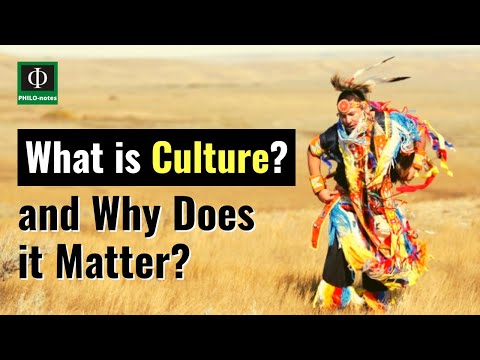
Culture is a funny thing, isn’t it? You think you know what it is, and then you realize how deep it really goes. It’s not just about food, music, or those quirky traditions your family has at holidays.
Este blog ofrece contenido únicamente con fines informativos, educativos y de reflexión. La información publicada no constituye consejo médico, psicológico ni psiquiátrico, y no sustituye la evaluación, el diagnóstico, el tratamiento ni la orientación individual de un profesional debidamente acreditado. Si crees que puedes estar atravesando un problema psicológico o de salud, consulta cuanto antes con un profesional certificado antes de tomar cualquier decisión importante sobre tu bienestar. No te automediques ni inicies, suspendas o modifiques medicamentos, terapias o tratamientos por tu cuenta. Aunque intentamos que la información sea útil y precisa, no garantizamos que esté completa, actualizada o que sea adecuada. El uso de este contenido es bajo tu propia responsabilidad y su lectura no crea una relación profesional, clínica ni terapéutica con el autor o con este sitio web.
Seriously! Culture shapes who we are in ways we don’t even notice sometimes. Ever noticed how you react to certain things based on where you grew up?
And here’s the kicker: our minds are wired to connect with culture—like a built-in antenna picking up vibes from our surroundings. It impacts everything from our values to how we interact with others.
So, grab a comfy seat and let’s chat about this concept of culture. We’re gonna explore definitions and dive into the juicy psychological connections that make it all click! Sound good? Let’s go!
Understanding the Interplay Between Culture and Psychology: Insights into Human Behavior
So, let’s talk about culture and psychology. This is one of those topics that feels super complex, but when you break it down, it’s pretty fascinating. Basically, culture shapes how we think and behave. It’s like putting on a pair of glasses through which we view the world.
What is Culture?
Culture can mean a lot of different things. It refers to the shared values, beliefs, customs, behaviors, and artifacts that characterize a group. Think about how you celebrate holidays or interact with friends. Those traditions? Yep, that’s culture at work! And guess what? This affects not just what you believe but also how your brain processes emotions and social situations.
The Connection Between Culture and Psychology
Psychology studies how people think and feel. Culture influences our psychological processes in various ways:
- Identity Formation: Your cultural background plays a HUGE role in shaping your identity. For example, if you grew up in a close-knit family setting that emphasizes collectivism (think countries like Japan), you might prioritize community over individual goals.
- Coping Mechanisms: Different cultures have different ways of dealing with stress or trauma. In some cultures, expressing emotions openly is encouraged; in others, it might be seen as a weakness.
- Perception of Mental Health: How mental health issues are perceived varies widely across cultures. In some cultures, seeking help from a therapist could be frowned upon or stigmatized.
Thinking about these points can get you to see slight yet significant differences in behavior based on cultural backgrounds.
An Emotional Anecdote
You know how when you’re playing games with friends, sometimes things get heated? Imagine two groups playing the same game—like “Mario Kart.” One group might be all about teamwork while another revels in friendly competition. This reflects deeper cultural values: cooperation versus individual achievement!
I once had a friend who moved from Brazil to Germany. When he first came here, he was shocked at how people would stand in line without chatting or making small talk. Back home, being friendly was part of the deal! That’s culture influencing behavior right there.
The Importance of Cultural Competence
So here’s where it gets practical: psychologists need to understand cultural contexts when working with clients from diverse backgrounds. Cultural competence means being aware of these differences and respecting them while trying to provide help.
What can happen if they don’t? Clients may feel misunderstood or judged—yikes! That really shows how intertwined culture and psychology are.
In the end, recognizing this interplay helps us become more empathic towards one another—it makes our world richer! But remember: while this info can provide insights into human behavior based on culture, it doesn’t replace professional guidance for personal issues. If you’re dealing with something heavy, definitely reach out to someone who can help directly.
And there you have it! The dance between culture and psychology isn’t just an academic topic; it’s part of what makes us uniquely human!
Understanding the Four Core Concepts of Culture: A Psychological Perspective
When we talk about culture, we’re diving into something that’s super complex, yet so fundamental to our lives. It shapes who we are, how we interact, and how we see the world. But what does culture really mean from a psychological perspective? Let’s break it down into four core concepts that help us understand this rich tapestry of human experience.
1. Symbols
Symbols are everywhere; they’re like the language of a culture. Think about a company’s logo or a national flag—these symbols carry deep meanings and emotions. In psychology, symbols can trigger certain feelings or responses based on shared experiences. Like when you hear the national anthem before a game—it can spark pride and belonging in an instant.
2. Values
Values are basically the beliefs that guide our behavior and decision-making. They shape what we think is important in life, like family, hard work, or freedom. For example, if you play a multiplayer game where teamwork is crucial, you might notice how different values come into play—some players prioritize winning at all costs while others focus on having fun together. This reflects their personal or cultural values.
3. Norms
Norms are the unwritten rules of society—they dictate how we should behave in various situations. These can vary significantly between cultures! For instance, in some cultures, it’s perfectly fine to be very expressive and loud at social gatherings, while in others being quiet and reserved is the norm. Psychologically speaking, breaking norms can lead to discomfort not just for the individual but also for those around them.
4. Practices
Practices are the actual behaviors that manifest from our values and norms. Think festivals, rituals, or even daily routines—these all have roots in cultural practices! For instance, family dinners may be a significant practice in some cultures but not in others. From a psychological standpoint, engaging in these practices fosters community and strengthens social bonds.
And here’s an interesting thought: understanding these four core concepts is not just academic; it has real-life implications! For example—even small misunderstandings between people from different cultural backgrounds can lead to conflict simply because they have different norms about communication or behavior.
So there you go! The world of culture is rich with layers that influence us every day—in ways big and small. And while diving deep into psychology gives us tools to understand it better, remember it doesn’t replace professional help when needed.
Ultimately, grasping these concepts helps us connect with others on a deeper level—and that’s pretty cool if you ask me!
Understanding Culture: Definitions and Psychological Connections for Comprehensive Insights (PDF)
Culture is a big deal, right? It’s like the colorful backdrop of our lives. But what exactly is culture? Well, in psychology, culture can be defined as the collection of values, beliefs, practices, and behaviors shared by a group of people. It’s not just about food or music; it’s how we think and interact.
Think of culture like a massive game where everyone plays by certain rules. Some games might have different levels or versions depending on where you are. Similarly, cultures can change based on location, history, and social dynamics.
Here are some key points that help illustrate the connection between culture and psychology:
- Shared Values: Every culture has its own set of values. For example, in individualistic cultures (like the U.S.), people often prioritize personal achievements. On the other hand, collectivist cultures (like Japan) emphasize group harmony.
- Beliefs System: Cultural beliefs shape how we view mental health. In some cultures, seeking psychological help might still carry stigma while others normalize it.
- Language: This one’s huge! Language isn’t just a way to communicate; it’s a lens through which we see the world. The way we express emotions can be very different across cultures.
- Rituals and Traditions: From marriage ceremonies to holiday celebrations—these rituals bring communities together and reinforce cultural identity.
And let’s throw in an example—imagine playing a video game with friends from different countries. The rules might be similar but trust me; each person would have a unique approach based on their cultural background.
Another interesting point is **acculturation**, which refers to how individuals adapt to a new culture while still holding onto their original beliefs and practices. This can lead to fascinating psychological outcomes! Some people feel torn between two worlds while others embrace this dual identity.
But guess what? Culture also influences our **mental processes**—how we perceive happiness or success can shift based on cultural context! In some places, happiness might come from personal gain whereas in others; it’s found in community welfare.
These connections are vital for understanding human behavior deeply but hey—I’m not saying this replaces professional help if you need it. If you’re feeling overwhelmed by cultural issues or personal struggles related to them, reaching out for support is never wrong!
So all in all, culture isn’t just an abstract concept; it’s interwoven into our thoughts and actions daily! And that’s what makes exploring it so intriguing—it’s like discovering hidden levels in that favorite game you’ve been playing forever!
Culture, wow, it’s such a vast and multifaceted topic, isn’t it? It’s like this rich tapestry woven from the threads of language, traditions, beliefs, and values. You know what? Everyone has their own unique perspective on culture based on their experiences. And that’s pretty cool because it makes our world so diverse and vibrant.
So, let’s break this down a bit. When we talk about culture, we’re essentially referring to the way of life for a group of people. It shapes how we think, what we value, and how we interact with others. Think of your favorite family traditions or the foods you grew up with—those are cultural expressions in action!
I remember this one time during a potluck dinner with friends from different backgrounds. Someone brought these spicy dumplings that tasted like they were straight outta heaven! Conversations flowed around the table about where each dish came from and what memories were tied to them. There was laughter, shared stories, and even some playful debates over whose mom made the best dish! That night really highlighted how connected our experiences can be through culture.
Now here’s where it gets even more interesting: there’s a strong psychological connection between culture and our identities. Our backgrounds shape who we are in deep ways—like how we cope with stress or perceive relationships. For instance, collectivist cultures tend to emphasize family bonds more than individualistic ones do. When you’re part of a tight-knit community that values togetherness? You probably find comfort in relying on each other during tough times.
But don’t get tangled up thinking culture is static; it evolves! People travel and migrate; influences mix over generations. So you might spot elements from one culture pop up in another unexpectedly—like sushi burritos! Fun twist on tradition for sure!
And here’s something to ponder: Despite all these differences in cultures around the globe, at the core, there are universal human needs—belonging, love, understanding—and that connects us all at some level. Culture influences how we express those needs though.
All in all, culture is like the lens through which we view life—it colors our perceptions and builds our realities together as communities while still leaving room for individuality to shine through. Pretty amazing when you think about it!