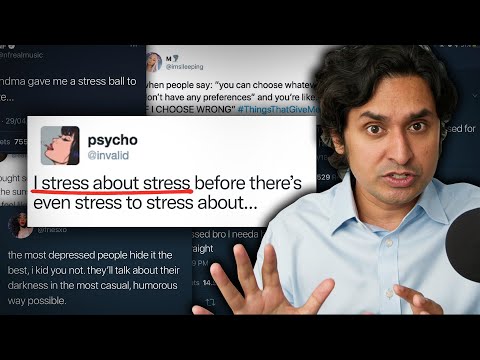
You know those days when your brain feels like a jumbled mess? Yeah, I get that. It’s like trying to sort through a drawer full of random stuff and you can’t even find the socks!
Este blog ofrece contenido únicamente con fines informativos, educativos y de reflexión. La información publicada no constituye consejo médico, psicológico ni psiquiátrico, y no sustituye la evaluación, el diagnóstico, el tratamiento ni la orientación individual de un profesional debidamente acreditado. Si crees que puedes estar atravesando un problema psicológico o de salud, consulta cuanto antes con un profesional certificado antes de tomar cualquier decisión importante sobre tu bienestar. No te automediques ni inicies, suspendas o modifiques medicamentos, terapias o tratamientos por tu cuenta. Aunque intentamos que la información sea útil y precisa, no garantizamos que esté completa, actualizada o que sea adecuada. El uso de este contenido es bajo tu propia responsabilidad y su lectura no crea una relación profesional, clínica ni terapéutica con el autor o con este sitio web.
Cognitive stress can really do a number on your mental clarity. It clouds your thoughts, makes decisions tougher, and honestly, it can be exhausting.
But here’s the thing—you’re definitely not alone in this. Seriously, we all have those moments when we’re drowning in our thoughts. So let’s chat about how to manage that stress and clear out some of the clutter upstairs. Sound good?
Understanding the 3 C’s of Cognitive Coping: Techniques for Effective Problem-Solving and Resilience
When you’re feeling overwhelmed, it’s easy to get lost in a storm of thoughts. That’s where the 3 C’s of Cognitive Coping come into play. These are crucial techniques that can help you tackle problems head-on and build resilience against stress. So, what are these magic letters? Well, they stand for Challenge, Commitment, and Control. Let’s break each one down!
Challenge: The first step is seeing challenges as opportunities rather than threats. Think about a time when you faced something tough. Maybe it was a big exam or a job interview. Instead of panicking, what if you viewed it as a chance to show off your skills? Adopting this perspective can shift your mindset from “I can’t do this” to “I’ve got this!” When you view challenges as chances to learn, you’re more likely to tackle them effectively.
Commitment: This isn’t just about making promises; it’s about investing your effort in the things that matter most to you. Imagine you’re playing your favorite video game—remember how committed you feel when trying to reach that next level? That same energy applies here! By committing to your goals, whether it’s improving your health or acing that project at work, you’re setting yourself up for success. You’re not just doing it for the sake of doing it; you’re all in!
Control: Here’s where things get really interesting. You might not always control every situation, but you can control how you respond to them. When life throws curveballs—like unexpected bills or job changes—you have the power to choose your reaction. So ask yourself: “What can I do right now?” This could mean seeking help from friends or finding ways to budget better. Recognizing what’s within your control helps reduce stress and anxiety.
- Challenge: Turn obstacles into opportunities.
- Commitment: Put energy into what really counts.
- Control: Focus on what you can influence.
Kicking cognitive stress often starts with these three C’s. You know, life isn’t perfect! We all face ups and downs, but applying these techniques can give you greater mental clarity over time.
A little personal story here: I remember feeling completely stressed out during my final exams at college. But by switching my attitude and focusing on those three C’s—especially commitment—I learned to manage my anxiety better and actually enjoyed studying more! It made me realize that even when everything feels overwhelming, there are ways through it.
If you try these techniques and still feel stuck—or if stress becomes too much—it might be worth reaching out for some professional help. Sometimes an outside perspective is exactly what we need!
In the end, embracing the 3 C’s can lead to stronger problem-solving skills and greater resilience in handling life’s twists and turns.» You got this!
Effective Strategies to Enhance Cognitive Clarity and Focus
Getting your mind to focus and stay clear can sometimes feel like herding cats, right? With all the distractions out there, managing cognitive stress is key to achieving that sweet mental clarity. So, let’s break down some effective strategies that might help you along the way.
Understand Your Stressors
The first step in managing cognitive stress is identifying what causes it. Is it too many tasks at once? Maybe social media notifications? Jotting down your stressors helps you see patterns and find ways to tackle them. You know what they say: “Out of sight, out of mind.” Well, not exactly, but writing things down makes them less overwhelming!
Create a Structured Environment
Your surroundings can really impact your focus. A cluttered desk often leads to a cluttered mind. Try organizing your space before you dive into work or study. Keep only the essentials within reach—seriously, it’s like giving your brain a fresh start!
Set Clear Goals
Having specific goals can help direct your focus and mental energy. It’s like playing a video game where you need to collect items or complete quests. Break tasks into smaller, manageable goals so you won’t get lost in the big picture.
- Instead of “study for exams,” try “review Chapter 3 tonight.”
- This makes it easier to tackle each task one at a time.
Practice Mindfulness Techniques
Mindfulness is all about being present in the moment. You might think of meditation or just taking a few deep breaths when you’re feeling overwhelmed. This could really ground you and boost clarity. Consider apps that guide you through mindfulness exercises—just take a few minutes daily!
Limit Multitasking
I mean, we’ve all tried multitasking and probably ended up doing two things poorly instead of one perfectly! Focus on one task at a time for better results—you’ll actually accomplish more this way.
Regular Breaks are Essential
Your brain isn’t meant to grind nonstop like an old-school blender! Take regular breaks using techniques like the Pomodoro Technique: work for 25 minutes, then take a 5-minute break. During those breaks, stand up, stretch or grab some water—your brain will thank you!
Stay Physically Active
Physical activity isn’t just great for your body; it’s also fantastic for mental clarity! Even just going for a walk can help shake off that grogginess and reset your mind.
Nourish Your Brain with Good Food
Your brain enjoys good fuel just as much as your car does! Eating balanced meals with plenty of fruits, veggies, healthy fats (like avocados), and whole grains gives your brain what it needs to function well.
Sufficient Sleep is Key
You might be tempted to skimp on sleep when chasing deadlines but trust me—it’s not worth it! A well-rested brain has improved cognitive functions and better focus.
Seek Professional Guidance if Needed
If you’re still struggling with cognitive clarity despite trying these strategies, don’t hesitate to reach out for professional help. Sometimes we need an extra set of eyes—and minds—to tackle complex issues effectively.
All in all, these strategies can really help manage cognitive stress and improve mental clarity. Everyone’s journey is unique—find what works best for you and make those small changes count!
5 Key Symptoms of Cognitive Stress and Their Impact on Daily Life
Cognitive stress can feel like a heavy weight on your mind. You know those days when your brain feels foggy? That’s not just tiredness; it can be a sign of cognitive stress. Let’s look at some key symptoms and how they can impact your daily life.
1. Difficulty Concentrating
When you’re under cognitive stress, focusing becomes a real struggle. You might find yourself reading the same paragraph over and over, and still, nothing sinks in. Imagine trying to beat that challenging level in your favorite video game but getting distracted every few seconds. Frustrating, right? This distraction can trickle into everything you do, from work tasks to just chatting with friends.
2. Memory Problems
Ever walked into a room and completely forgotten why you went there? Yeah, that’s cognitive stress messing with your memory. It can feel like you’re playing hide-and-seek with your thoughts! This forgetfulness can really trip you up at work or even during simple conversations with family.
3. Irritability or Mood Swings
Cognitive stress doesn’t just affect how you think; it messes with how you feel too. You might snap at someone for no good reason or feel emotional over things that didn’t use to bother you. Picture being stuck on a tough puzzle in a game; the frustration can make you more irritable than usual. Your mood swings may leave others feeling confused about what’s going on.
4. Mental Fatigue
You know that tired feeling after playing too long without taking a break? That mental fatigue from cognitive stress can be similar but worse! Even after a full night’s sleep, you may wake up feeling exhausted mentally. It’s like running a marathon in your mind without making any progress.
5. Reduced Decision-Making Skills
Cognitive stress clouds your judgment, making decisions feel like climbing a steep hill—every choice seems daunting! Even simple things, such as picking what to have for dinner or deciding which movie to watch, become overwhelming tasks that take way longer than they should.
In daily life, these symptoms create challenges that pile up quickly. Whether at work or home, when your brain is stressed out, everything becomes tougher and less enjoyable—like when you’re trying to strategize in an intricate game but can’t keep track of where everything is!
If these symptoms sound familiar and are affecting you significantly, it’s always a good idea to chat with someone who knows their stuff—a mental health professional can provide help tailored just for you
Cognitive stress is something we all deal with from time to time, but recognizing its signs is the first step towards managing it better! Remember: it’s okay not to have all the answers right now; taking care of yourself is what’s most important.
So, let’s talk about cognitive stress for a minute. You know how you sometimes feel like your brain is just jam-packed with thoughts, worries, and to-do lists? It’s like trying to watch five different movies at the same time, and none of them make sense. Yeah, that’s cognitive stress for you.
I remember a time when I was juggling school, work, and a few too many social obligations. Every day felt like a whirlwind. I’d sit down to study or even just chill out with a book, but my mind would race through all the things I had to do – it was exhausting! That kind of constant mental buzz can seriously mess with your clarity and focus.
Cognitive stress usually creeps in when we’re overwhelmed or stretched too thin. Basically, it’s that feeling you get when your brain overloads on information or emotions. You know what I mean? It can lead to forgetfulness or difficulty concentrating—hello, staring-at-the-wall syndrome! If you’ve ever sat down to do something productive only to find yourself scrolling through your phone instead, then you know this struggle.
Now managing this kind of stress isn’t about pretending it doesn’t exist; it’s more about finding little ways to lighten the load. One thing I’ve learned is that taking short breaks can be game-changing. Just stepping away from whatever’s stressing you out—even if it’s only for five minutes—can give your brain the chance to reset.
Also, prioritizing what matters helps so much! Making lists is a lifesaver for me; it turns that chaotic cloud of thoughts into something tangible. You can highlight what needs immediate attention and what can wait patiently on the back burner.
And hey—don’t underestimate the power of talking stuff out with someone. Chatting with a friend has this magical ability to clear up mental fog; it’s like letting some fresh air into your brain’s cramped little space.
In the end, being aware of cognitive stress is half the battle. Recognizing when you’re feeling that weight gives you a chance to pause and breathe instead of getting trapped in that cycle of chaos! Just remember: mental clarity isn’t always about doing more but often about doing less—and doing it mindfully!