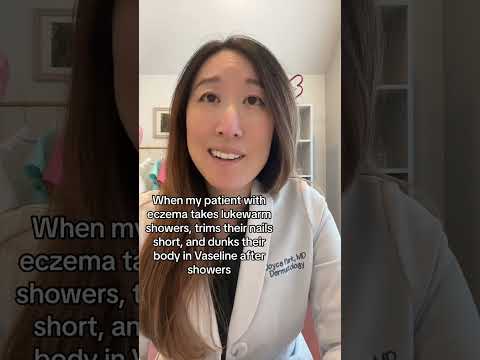
So, let’s chat about something that’s, like, super common but often misunderstood—atopic dermatitis. I mean, if you or someone you know has it, you probably know the struggle.
Este blog ofrece contenido únicamente con fines informativos, educativos y de reflexión. La información publicada no constituye consejo médico, psicológico ni psiquiátrico, y no sustituye la evaluación, el diagnóstico, el tratamiento ni la orientación individual de un profesional debidamente acreditado. Si crees que puedes estar atravesando un problema psicológico o de salud, consulta cuanto antes con un profesional certificado antes de tomar cualquier decisión importante sobre tu bienestar. No te automediques ni inicies, suspendas o modifiques medicamentos, terapias o tratamientos por tu cuenta. Aunque intentamos que la información sea útil y precisa, no garantizamos que esté completa, actualizada o que sea adecuada. El uso de este contenido es bajo tu propia responsabilidad y su lectura no crea una relación profesional, clínica ni terapéutica con el autor o con este sitio web.
It’s not just a rash; it can affect your whole vibe, you know? Itchy skin, red patches… it really can feel unbearable sometimes.
But hey, the good news is you’re not alone in this! Let’s break down the symptoms and ways to manage them. You might find some tips that actually help ease the irritation and frustration. Sound good?
Understanding Atopic Dermatitis: A Comprehensive Guide with Visuals
Atopic dermatitis, or eczema as it’s often called, is more than just a skin issue. It’s a chronic condition that can totally impact your quality of life. You know how itchy it gets? Ugh! And it can show up in different ways.
Symptoms to Look For:
- Itching: This is usually the main thing you’ll notice. It can be mild or super intense, keeping you up at night.
- Red or brownish-gray patches: These can appear anywhere but are common on the arms, inside the elbows, behind the knees, and on the face.
- Dry, sensitive skin: Your skin might feel rough and dry like an old sponge.
- Thickened skin: If you’ve been scratching a lot (no judgment here!), some patches can become thick and leathery over time.
- Bumps that can leak fluid: When scratched, those little bumps may ooze fluid. Gross, right? But totally part of it!
Now, let me share a quick story. I once had a friend who suffered from atopic dermatitis for years. He was always cautious about what he ate and used—certain products made his skin flare-up like crazy! No one wants to walk around looking like a patchy canvas. Over time he learned what triggered his symptoms and found ways to manage them better.
Managing Atopic Dermatitis:
- Avoid Triggers: Keep an eye out for things like stress, certain foods (like dairy or nuts), and even weather changes that could make your condition worse.
- Moisurize!: Seriously! Keeping your skin hydrated is key to managing dryness. Use fragrance-free creams regularly.
- Corticosteroid Creams: Sometimes your doc might give you these creams to help with inflammation and itching—like armor for your skin!
- Antihistamines: These can help reduce itching too. Just remember they might make you sleepy!
One thing I need to mention is that everyone’s experience with atopic dermatitis is unique. What works wonders for one person may not do much for another.
If you’re ever unsure about what you’re dealing with – whether it’s just dry skin or something more serious – don’t hesitate to reach out to a healthcare professional who really gets this stuff!
In the end, living with atopic dermatitis means tuning into your body and what it needs—kind of like playing your favorite video game where each level teaches you something new about yourself! Keep exploring what helps you feel good in your own skin!
Effective Treatment Strategies for Managing Atopic Dermatitis and Its Emotional Impact
Atopic dermatitis, also known as eczema, can be a real struggle. It’s not just about the itchy skin or rashes; it can take a toll on your emotions too. So, what can help with both the physical symptoms and that emotional rollercoaster? Let’s break it down.
Understanding Atopic Dermatitis
First off, if you’re dealing with atopic dermatitis, you probably know how frustrating it can be. Those symptoms might include red patches of dry skin, itching that seems to never end, and sometimes even weeping blisters. The truth is, these physical issues often come hand in hand with feelings of anxiety or depression.
Physical Treatment Strategies
When it comes to treating the skin side of things, there are a few key strategies:
- Moisturizers: Keeping your skin hydrated is super important. Look for thick creams or ointments that lock in moisture.
- Corticosteroids: These creams can reduce inflammation but should be used sparingly and under medical advice.
- Antihistamines: Sometimes they can help calm those pesky itchies at night.
- Light therapy: This involves using UV light to help clear up the skin. It sounds fancy, but it can be effective!
Coping with Emotional Challenges
Now onto the emotional side! Managing the mental impact is just as crucial as dealing with the physical symptoms:
- Talk Therapy: Speaking with a therapist or counselor can be beneficial. They help you process feelings and develop coping strategies.
- Mindfulness and Relaxation Exercises: Techniques like yoga or deep-breathing exercises can work wonders for reducing stress.
- Join Support Groups: Connecting with others who get it helps you feel less alone in this battle.
I remember a friend of mine who struggled deeply with her skin condition; she didn’t just fight against her body but also felt isolated because of it. But through support groups and therapy, she found her voice and learned how to express her experiences. That helped not only her confidence but also her emotional health.
The Importance of Professional Guidance
It’s super important to remember that while these strategies might help manage symptoms and feelings, they’re not substitutes for professional medical advice. Always consult your healthcare provider for personalized treatment plans!
And hey, life doesn’t stop because of atopic dermatitis; managing its impacts means finding your rhythm—you know? Taking care of yourself holistically will make all the difference in enjoying life more fully despite those flare-ups!
Effective Strategies for Permanently Curing Eczema: A Comprehensive Guide
Eczema, specifically atopic dermatitis, can be a real pain. It’s that relentless itch and dry skin that just won’t quit. If you’ve been dealing with it, you know how frustrating it can be—it’s not just about the skin; it’s about how you feel inside. Let’s unpack some symptoms and management strategies to help tackle this condition, but keep in mind—this doesn’t replace professional help!
Symptoms to Watch For
Atopic dermatitis can pop up in various ways. Here are some common symptoms to look out for:
- Dry Skin: Your skin might feel like it’s been through a desert.
- Itching: The itchiness can drive you up the wall!
- Red or Brownish-Gray Patches: These areas often appear on hands, feet, ankles, and even around the eyes.
- Thickened Skin: This happens from scratching—which is tough when all you want is relief.
- Bumps That Leak Fluid: Sometimes those bumps can ooze when scratched; gross but true.
Feeling overwhelmed yet? It’s totally normal! Just remember, recognizing these signs early is key.
Coping Strategies
Managing eczema isn’t a one-size-fits-all situation. Everyone’s skin reacts differently. Here are some strategies that have shown promise:
- Moisturize Regularly: Pick a good moisturizer and apply it daily. Thick creams or ointments work best—think of them like armor for your skin!
- Avoid Triggers: Everyone has different triggers—like certain foods or fabrics. Keep a diary to find out what makes your eczema worse.
- Bathe Wisely: Short baths with lukewarm water can help if you follow up with moisturizer right after. This helps lock in moisture!
- Use Gentle Cleaners: Harsh soaps? No thanks! Opt for gentle cleansers without fragrances or dyes.
- Wear Breathable Fabrics: Cotton is usually better than wool or synthetic fabrics—you don’t want to add fuel to the fire!
And hey, it might sound boring but really paying attention to how your body reacts can make a huge difference.
Treatments Worth Considering
If you’re still struggling despite trying these methods, it might be time to consult your dermatologist for additional treatments:
- Corticosteroid Creams: These can reduce inflammation but should be used with caution under professional guidance.
- Avoiding Overuse of Emollients: You can’t use these forever without breaks; sometimes even good things need moderation!
- Lifelike Medications:No jokes here; there are newer medications that target specific parts of the immune system and could lessen flare-ups.
You know what? Sometimes treating eczema feels like level grinding in a video game; it’s all about persistence and finding that winning strategy.
The Bottom Line
Eczema can be annoying but understanding its symptoms and management techniques makes life easier. Think of this as controlling a tough player rather than trying to eliminate them completely—it might take time! Always keep communicating with healthcare professionals who understand your unique challenges—they’re like your coaches on this journey.
In the end, staying informed and proactive while managing atopic dermatitis can really boost your quality of life. Together lets tackle this challenge one step at a time!
Okay, so atopic dermatitis, or eczema as many people call it, is one of those skin conditions that can really mess with your day-to-day life. Seriously, have you ever had that annoying itch that just won’t quit? Yeah, you know what I’m talking about. It’s not just the physical discomfort either; it can play on your emotions too.
You might notice dry patches on your skin – especially in areas like your elbows and knees, but really anywhere is fair game. These patches can look red and inflamed. It’s like your skin’s way of throwing a mini tantrum! And let me tell you, when I saw my friend struggle with a flare-up during summer, it broke my heart. She was super self-conscious about her skin when all she wanted was to enjoy the sun with her family.
And don’t even get me started on the itching! That incessant urge to scratch can keep you up at night or make you miss out on moments because you’re too focused on the discomfort. It’s almost like trying to concentrate while there’s this tiny drummer inside your head going at it non-stop!
Managing atopic dermatitis isn’t always straightforward. So what do people usually do? Well, moisturizing is key because dry skin just makes everything worse – trust me on this one! Finding the right moisturizer can feel like a scavenger hunt sometimes. And then there are topical treatments – steroids often come into play here and while they can be effective for many folks, they also come with their own little set of complications.
Oh! And let’s not forget about triggers. Things like certain fabrics or even some foods can send your symptoms into overdrive. I remember chatting with someone who found out that dairy was actually making things worse for them – who would have thought?
So if you’re dealing with atopic dermatitis or know someone who’s navigating this tricky path, just know you’re not alone in this battle. It’s all about finding what works for you and managing those symptoms as best as possible!