You know, there’s a lot of talk about mental health these days. And honestly, it’s about time! People are starting to realize how important it really is.
Este blog ofrece contenido únicamente con fines informativos, educativos y de reflexión. La información publicada no constituye consejo médico, psicológico ni psiquiátrico, y no sustituye la evaluación, el diagnóstico, el tratamiento ni la orientación individual de un profesional debidamente acreditado. Si crees que puedes estar atravesando un problema psicológico o de salud, consulta cuanto antes con un profesional certificado antes de tomar cualquier decisión importante sobre tu bienestar. No te automediques ni inicies, suspendas o modifiques medicamentos, terapias o tratamientos por tu cuenta. Aunque intentamos que la información sea útil y precisa, no garantizamos que esté completa, actualizada o que sea adecuada. El uso de este contenido es bajo tu propia responsabilidad y su lectura no crea una relación profesional, clínica ni terapéutica con el autor o con este sitio web.
Now, if you’ve ever heard of ARMHS workers, you might be wondering what the heck that even means. I mean, it’s kind of a mouthful, right? But let me tell you—these folks play a big role in helping people navigate their mental health challenges.
Imagine someone who’s there to support you when times get tough. Someone who gets it and knows how to help without judgment. That’s basically what an ARMHS worker does!
They wear many hats—think counselor, coach, and advocate all rolled into one. Sounds pretty impressive, huh? So, if you’re curious about what they actually do and how they make a difference in people’s lives, stay with me!
Understanding the Role of ARMHS Workers in Minnesota: Responsibilities and Impact
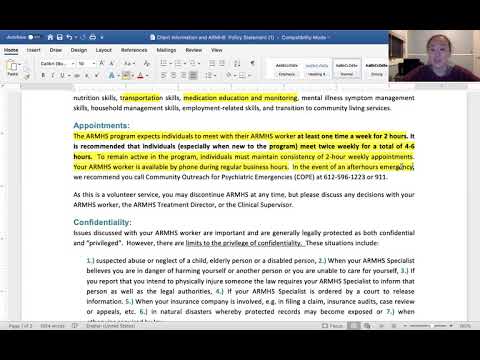
Alright, let’s talk about ARMHS workers in Minnesota. ARMHS stands for Adult Rehabilitative Mental Health Services. These folks play a pretty important role in helping adults manage their mental health issues. So, what does that actually mean? Well, let’s break it down.
First off, the main job of an ARMHS worker is to assist individuals with mental health challenges in their daily lives. They provide support that’s designed to help you navigate through various aspects of life—like a guide in a tricky maze.
So, what are some of the key responsibilities of an ARMHS worker? Here are some highlights:
- Assessment: They evaluate your current situation to understand your needs better. This is like doing a character check before starting a new game level.
- Goal Setting: Together, you work on setting achievable goals that can help improve your quality of life. Think about it as leveling up in real life!
- Coping Strategies: ARMHS workers teach practical skills to deal with stress and anxiety. It’s like learning new techniques to beat a challenging boss!
- Community Resources: They connect you with other services or support groups that can be helpful—kind of like finding hidden treasures in a video game world!
- Supportive Counseling: You can chat openly with them about what you’re going through. It’s as if you have someone rooting for you while you’re completing tough quests.
The impact these workers have on people’s lives is significant. For many, they provide crucial support during difficult times—like having an ally who understands your struggles and wants to help you succeed. Their presence can lead to improved well-being and greater independence for those they work with.
An example might be someone trying to handle social anxiety. The ARMHS worker could help them practice social skills in safe environments. It’s like training a character until they’re ready to face the big crowd without fear.
Evidently, ARMHS workers do not replace professional mental health treatment but serve as advocates and supporters who bridge gaps between therapy and everyday life challenges. They’re vital players on the mental health team!
If you’ve got questions or need help yourself or know someone who does, reaching out to an ARMHS worker might be a good move! Just remember—it doesn’t substitute for professional therapy if that’s what someone needs.
In short, these dedicated individuals truly make life easier for many—helping people develop skills and confidence one step at a time!
Job Description of a Mental Health Support Worker: Key Responsibilities and Skills Required
So, let’s chat about the role of a Mental Health Support Worker, specifically focusing on what an ARMHS (Adult Rehabilitative Mental Health Services) worker does. It’s kind of like having a coach in your corner if you’re trying to tackle life’s challenges. These workers don’t just show up with a clipboard; they’re there to provide real support and guidance.
First off, the day-to-day responsibilities can really vary, but here are some key ones:
- Assessment and Planning: They assess clients’ needs and help create personalized plans. Imagine building a character in a video game—each choice affects how your character grows.
- Skill Development: ARMHS workers help clients develop everyday skills. Things like budgeting or cooking can feel overwhelming, but with support, it’s like leveling up in life!
- Supportive Counseling: They provide emotional support through conversations. Think of it as having someone to chat with while you’re grinding through tough levels in a game—sometimes you just need that extra push!
- Crisis Intervention: When things get intense, these workers are trained to step in and help manage crises. It’s sort of like having a safety net when you’re balancing on a tightrope.
- Connecting to Resources: They know where to find community resources like housing or job training programs. It’s like having the ultimate map that shows you where all the best power-ups are hidden!
The skills required for this role aren’t just technical; they’re deeply human too. Here are some essential ones:
- Empathy: This is huge! ARMHS workers need to understand what their clients are going through without judgment. It’s about putting yourself in someone else’s shoes—like playing co-op mode where teamwork is key.
- Communication Skills: Being able to talk clearly and listen well can make all the difference. Imagine it’s like trying to relay strategies during a heated match—it has to be clear and effective!
- Crisis Management Skills: The ability to stay calm under pressure is vital. You know when you’re almost at the final boss level? Keeping your cool is everything.
- Cultural Competence: Understanding diverse backgrounds ensures that support is relevant and respectful—think of it as adapting your strategy based on your teammates’ strengths.
- Able To Work Independently: Often, these workers operate without constant supervision which requires self-motivation—a bit like grinding out those quests alone when no one else can join.
This role isn’t just another job; it’s about making meaningful connections and supporting individuals through life’s ups and downs. Each day brings new challenges, but for an ARMHS worker, every small success counts as victory! If you ever consider stepping into this field or seeking help from one, keep in mind that mental health professionals should always complement—not replace—professional psychological care.
The reality is mental health support work plays an essential part in helping individuals reclaim control over their lives—I mean, who wouldn’t want that? So whether it’s through gentle guidance or skill-building strategies, each effort contributes toward healthier futures for so many people out there!
Essential Skills for ARMHS Workers: Enhancing Support Through Practical Competencies
ARMHS Workers, or Adult Rehabilitative Mental Health Services workers, play an important role in helping individuals navigate their mental health challenges. They support people by developing essential skills to enhance their daily living and social interactions. So, what are the key skills that make these workers effective at what they do? Let’s break it down!
- Communication Skills: Effective communication is key! ARMHS workers need to clearly express ideas and listen actively. Imagine playing a video game where teamwork is crucial; if you don’t communicate well with your team, you might lose the game. In a similar way, clear communication can foster trust and understanding between the worker and their client.
- Empathy: Being able to understand someone else’s feelings is huge in this field. It’s not just about listening; it’s about feeling what others feel, like being the character who goes through an emotional rollercoaster in a story-driven game. When clients see that their ARMHS worker gets them, it creates a safe space for sharing.
- Crisis Intervention: Sometimes situations can get intense. ARMHS workers need to be prepared for crisis moments. Think of it like being in a high-stakes boss fight where quick thinking and strategy are essential for survival! Knowing how to de-escalate a situation can help keep everyone safe.
- Cultural Competency: Respecting diverse backgrounds is crucial. ARMHS workers should be aware of cultural differences that may affect communication styles or coping mechanisms. Just like how different characters in games come with unique abilities or backgrounds, we all have our own stories that shape how we view things.
- Problem-Solving Skills: Life isn’t always straightforward, right? Sometimes you hit a snag that needs creative solutions! So, ARMHS workers must think on their feet—like piecing together clues in an adventure game—to help clients overcome obstacles effectively.
- Goal Setting: Helping clients set achievable goals is fundamental to progress. It’s kind of like leveling up in a game: everyone wants to reach the next level! But first, you’ve got set the right objectives and understand how to get there step by step.
- Assessment Skills: Understanding where someone is coming from means assessing their needs accurately. This could be compared to evaluating your character’s stats before heading into battle—knowing strengths and weaknesses helps tailor support effectively.
- Sensitivity and Patience: Change takes time! So, having patience and being sensitive to each client’s pace makes all the difference in building trust over time—like nurturing characters throughout an epic journey rather than rushing through quests.
In summary, ARMHS workers wear many hats! They’re communicators, empathizers, problem solvers—all rolled into one dedicated individual aiming to improve lives through practical competency. Remember though: while they’re skilled at providing support, this doesn’t take the place of professional help when things get tough out there.
So whether you’re considering this path yourself or just curious about what goes into supporting mental health recovery, these skills are vital in making meaningful connections with those who need them most!
Being an ARMHS worker is no small feat. You’re basically the bridge between someone struggling with mental health issues and the support they need to navigate life’s ups and downs. It’s a unique role that combines elements of coaching, friendship, and, yeah, a bit of therapy too.
I remember chatting with my friend Sarah, who worked as an ARMHS worker for a while. She often talked about how every day felt different—like walking into a new adventure, honestly. One moment, she’d be helping someone build social skills to make friends; the next, she might be guiding another person through complicated feelings after a breakup or loss. It’s emotional work—for sure.
You know what? One of the core responsibilities of an ARMHS worker is to create a safe space for clients. They need to feel heard and understood without judgment. Sarah would sometimes sit with her clients in coffee shops or parks instead of stuffy offices just to make things feel more relaxed. Imagine sipping on your favorite latte while discussing your deepest fears—it feels more authentic that way.
Another big part of the job is teaching coping strategies and life skills. This isn’t just about providing support; it’s about empowering people to help themselves. Think about it: if you can show someone how to manage their anxiety or even set small goals for their day, you’re helping them take charge of their life bit by bit.
But it isn’t all sunshine and rainbows! There are tough days too—when progress feels stagnant or when clients are resistant to opening up. My friend once shared her frustrations when someone she was working with wouldn’t engage during sessions. Those moments can be disheartening, but they also teach resilience; both for the ARMHS worker and their clients.
Then there’s teamwork—in some cases, ARMHS workers collaborate with other professionals like therapists or social workers. This multi-disciplinary approach brings different perspectives together for a stronger support system.
And let’s not forget about boundaries! Maintaining professional lines while still being empathetic and compassionate is tricky business. You want to care deeply yet keep some emotional distance so you don’t burn out.
To wrap up this chat on ARMHS workers: you’ve got this unique blend of being supportive yet empowering, focused yet flexible—and honestly? That balance can change lives in really profound ways! If you think about it, they’re not just helping people cope—they’re equipping them with tools for better futures ahead!