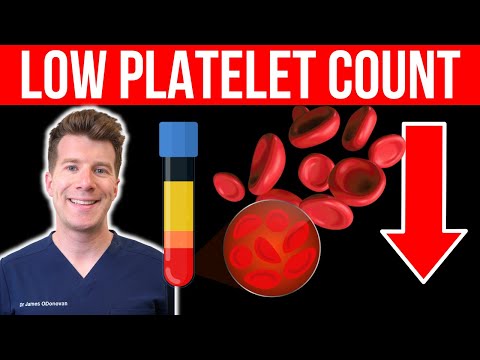
So, let’s talk about thrombocythemia for a sec. Yeah, it sounds like some kind of fancy medical term that might make your head spin. But don’t worry, we’re gonna break it down together.
Este blog ofrece contenido únicamente con fines informativos, educativos y de reflexión. La información publicada no constituye consejo médico, psicológico ni psiquiátrico, y no sustituye la evaluación, el diagnóstico, el tratamiento ni la orientación individual de un profesional debidamente acreditado. Si crees que puedes estar atravesando un problema psicológico o de salud, consulta cuanto antes con un profesional certificado antes de tomar cualquier decisión importante sobre tu bienestar. No te automediques ni inicies, suspendas o modifiques medicamentos, terapias o tratamientos por tu cuenta. Aunque intentamos que la información sea útil y precisa, no garantizamos que esté completa, actualizada o que sea adecuada. El uso de este contenido es bajo tu propia responsabilidad y su lectura no crea una relación profesional, clínica ni terapéutica con el autor o con este sitio web.
Basically, it’s when your body decides to pump out too many platelets. Yeah, platelets! Those little guys are supposed to help with blood clotting. But when they’re in overdrive? Things can get a bit messy.
You know what’s wild? Most people don’t even know they have it at first! And that can lead to all sorts of surprises down the line.
Anyway, if you or someone you know has been feeling a bit off or just curious about the whole deal, stick around! We’ll dig into the causes, symptoms, and what options are out there to manage it. Sound good? Let’s roll!
Effective Treatments for Thrombocythemia: Understanding Options and Their Psychological Impact
Thrombocythemia is a condition where your body makes too many platelets, those tiny but essential cells that help your blood clot. You might be wondering what causes this, how it feels, and the treatments available. Let’s break it down.
Causes of thrombocythemia can vary. Some people have a *primary* form due to a genetic mutation, like the JAK2 mutation, which can cause overproduction of platelets. Others might experience *secondary* thrombocythemia from other conditions like anemia or infections. It’s like when you’re playing a video game and there’s a glitch—something in your body isn’t working properly.
Now, let’s talk about the symptoms. You might not always notice them right away. Common signs include headaches, dizziness, and sometimes blurred vision. These symptoms can be pretty annoying—imagine trying to focus on your favorite game while dealing with these distractions! Some people even face more serious risks like blood clots or strokes if left untreated.
When it comes to treatment options, there are several routes to go down:
- Medications: Doctors often prescribe medications like hydroxyurea or interferon to reduce platelet levels.
- Aspirin: Low-dose aspirin can help prevent blood clots without thinning the blood too much.
- Plateletpheresis: This is a procedure that removes excess platelets directly from the blood—like cleaning out an overstuffed backpack!
- Lifestyle changes: Eating healthier, staying active, and avoiding smoking can really make a difference.
Every treatment may come with its emotional ups and downs. Dealing with chronic health issues can surely take a toll on mental well-being. It’s important to consider how you feel emotionally while managing thrombocythemia. You may find yourself feeling anxious or depressed about your health; it’s totally valid.
Sometimes talking it out helps! Sharing your concerns with friends or family—or even joining a support group—can light up the mood! Plus, therapists specializing in chronic illness can provide coping strategies that fit right into your life.
In terms of long-term outcomes, many people manage their condition well with these treatments. But always remember: chatting with healthcare professionals is crucial because they know best when it comes to tailoring treatment just for you.
So yeah, understanding thrombocythemia helps you regain some control over what feels like an overwhelming situation. Just take things one step at a time! You’re not alone in this journey; there’s plenty of support out there waiting for you.
What to Expect Physically and Emotionally When Platelet Levels Are High
When your body has high platelet levels, a condition known as thrombocythemia, it can feel like a wild ride both physically and emotionally. Platelets are those tiny cells in your blood that help with clotting. So, when their numbers go up too much, things can get a bit complicated.
What Causes High Platelet Levels?
You might be wondering what leads to this situation. Well, there are several reasons.
- Your body could be fighting an infection or inflammation.
- Sometimes after surgery or trauma, your platelet levels jump up.
- Certain diseases like cancer or bone marrow disorders can also throw your platelets out of whack.
Now that you’ve got the basics down, let’s talk about how this affects you physically.
Physical Symptoms
If your platelet levels are high, you might not feel anything at first. It could be just hanging out in the background. But then again, some folks experience:
- Headaches: Seriously annoying! Imagine trying to concentrate on your favorite show but feeling that dull ache instead.
- Dizziness: Picture spinning around too fast in a video game and then trying to walk straight – yeah, it can feel similar.
- Numbness: This is when parts of your body kind of “fall asleep” – like when you’re sitting awkwardly for too long.
Those symptoms can make daily life challenging. You might find it tough to keep up with activities or even just enjoy downtime.
Emotional Effects
Now let’s shift gears and talk emotions because they tend to tag along with physical health issues. When dealing with high platelet levels, you might feel:
- Anxious: Your mind gets busy thinking about what could be happening inside you.
- Irritable: Little things can start to bother you more than usual—like when someone snags the last slice of pizza!
- Overwhelmed: Sometimes it feels like juggling multiple balls at once; just hard to manage everything going on.
And hey, many people don’t realize how connected our bodies and minds really are. Feeling off physically often plays into how we handle stress and emotions.
Treatment Options
So if you’re diagnosed with thrombocythemia, what’s next? First off, it’s crucial to chat with a healthcare professional who knows their stuff – I mean really knows their stuff! They may suggest:
- Your doctor might recommend medication to help lower those platelets down to a safer number.
- If there’s an underlying issue causing the increase—like an infection—they’ll treat that first.
- You may need regular check-ups to keep an eye on those pesky platelets!
Taking care of yourself is essential; think of it as leveling up in a game where every move counts!
In the end, having high platelet levels doesn’t have to control your life; getting proper medical guidance will put you back on track emotionally and physically. Plus remember that staying informed is half the battle—so keep asking questions and advocating for yourself!
Understanding the Progression of Thrombocythemia: Risks and Psychological Impacts
Thrombocythemia is one of those medical terms that can sound super complicated, but it’s really just a condition where you have too many platelets in your blood. You know, those little guys that help with clotting? Well, having too many of them can cause some serious issues down the line.
First off, let’s talk about what causes this condition. There are two main types of thrombocythemia: **primary** and **secondary**. Primary thrombocythemia happens when there’s a problem with the bone marrow itself, usually a mutation in your genes. Secondary thrombocythemia can develop in response to other conditions like inflammation or infection. It’s like when you’re playing a game and suddenly face an unexpected boss; your body reacts by cranking up its defenses.
Now onto symptoms. Many people might not notice anything at first. But as the condition progresses, you might experience headaches, dizziness, or trouble with vision—like when your screen starts glitching during an intense gaming session! In severe cases, you could be at a higher risk for blood clots or even strokes.
And let’s not overlook how this condition can impact your mental health. Dealing with chronic health issues isn’t easy; it’s kind of like trying to finish a game while constantly being interrupted by pop-up ads. Stress and anxiety levels can climb as you worry about flares or complications. It’s totally normal to feel overwhelmed!
Here are some risks and psychological impacts associated with thrombocythemia:
- Blood Clots: Increased platelet levels raise the chance of forming dangerous clots.
- Strokes: A clot can block blood flow to the brain.
- Anxiety & Depression: Chronic illness often brings emotional struggles.
- Fatigue: Physical symptoms can lead to mental exhaustion.
With treatment options out there—like medication to lower platelet counts—you have tools in your arsenal! But it’s important to consult healthcare professionals for tailored advice.
So in the end, if you find yourself dealing with symptoms of thrombocythemia, try talking about it with someone who gets it—even if that’s just a friend or family member! You don’t have to navigate this alone since reaching out for help is definitely a sign of strength.
Alright, so let’s chat about thrombocythemia. It sounds super serious and kind of scary, right? But really, it’s one of those health topics that just needs a little unpacking.
Thrombocythemia is when your body decides to make too many platelets—those little guys that help your blood clot and heal cuts. You know how sometimes your body is just a bit overzealous? It’s like it’s throwing a spontaneous party, and everyone shows up uninvited. So you end up with more platelets than you actually need.
Now, the causes can be pretty varied. For some folks, it might be related to another condition, like essential thrombocythemia or maybe some other blood disorders. Sometimes it can be genetic—yeah, thanks mom and dad! Other times it could happen after recovering from something like an infection or surgery; that’s your body kicking into high gear because it thinks there’s still a problem.
When people have thrombocythemia, they might not even know it at first because symptoms can be pretty mild at the beginning. You could feel tired or have headaches—basically anything that makes you think you’re just having one of those days. But then there are also things like dizziness or even vision changes if things get out of hand. It can feel weird when your body is giving off these signals and yet you’re not quite sure what they mean.
Let me share something personal here: A friend of mine was diagnosed with this condition not long ago. I remember her talking about feeling exhausted all the time but couldn’t pinpoint why. After a few visits to the doctor and a bunch of tests, they finally figured it out! She was relieved to have an answer but overwhelmed by all the information thrown at her about what could happen next.
Now treatment options vary based on how severe the situation is for someone. Some people may not need treatment right away—just regular check-ups with their doctor to monitor things. Others might need medication to keep their platelet levels in check or even procedures like plateletpheresis if things get really out of balance.
All in all, thrombocythemia might sound intimidating at first glance but understanding what it’s about can help ease some of those nerves. If you’ve ever felt off without a clear reason, don’t hesitate to check in with your healthcare provider; sometimes it’s as simple as getting some clarity on what’s happening inside you! Just remember: knowledge is power—even if your platelets are trying to throw an unexpected bash!