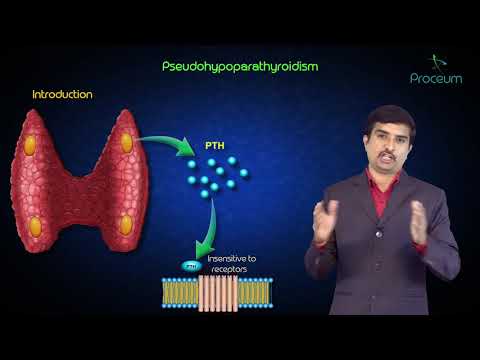
So, you know how some things just sound super complicated? Well, pseudohypoparathyroidism is definitely one of those. It’s got a mouthful of a name that can make your head spin.
Este blog ofrece contenido únicamente con fines informativos, educativos y de reflexión. La información publicada no constituye consejo médico, psicológico ni psiquiátrico, y no sustituye la evaluación, el diagnóstico, el tratamiento ni la orientación individual de un profesional debidamente acreditado. Si crees que puedes estar atravesando un problema psicológico o de salud, consulta cuanto antes con un profesional certificado antes de tomar cualquier decisión importante sobre tu bienestar. No te automediques ni inicies, suspendas o modifiques medicamentos, terapias o tratamientos por tu cuenta. Aunque intentamos que la información sea útil y precisa, no garantizamos que esté completa, actualizada o que sea adecuada. El uso de este contenido es bajo tu propia responsabilidad y su lectura no crea una relación profesional, clínica ni terapéutica con el autor o con este sitio web.
But hang on, don’t let that scare you off! It actually boils down to some pretty interesting stuff about our bodies and how they work (or sometimes don’t work).
Imagine feeling off for a while and not knowing why. That’s kind of what people with this condition deal with. The symptoms might seem random, but they all tie back to how our bodies respond to hormones, particularly one called parathyroid hormone.
We’re gonna chat about the symptoms that can pop up, what causes this whole thing in the first place, and what options are out there for treatment. It’s not just another medical term—it’s something real that affects real people. So stick around!
Effective Treatments for PPHP: Understanding the Options for Managing Physical Pain and Psychological Impact
Pseudohypoparathyroidism (PHP) is a rare condition that affects how your body responds to parathyroid hormone. It’s like when you’re playing a video game, but your character can’t use the special moves because of a glitch. So frustrating, right? This condition can lead to physical pain and emotional challenges, so let’s explore some effective treatments for managing both the physical and psychological impacts.
Understanding the Symptoms
People with PHP often deal with low calcium levels in their blood, leading to symptoms like muscle cramps, tingling sensations, and fatigue. Imagine trying to climb a virtual mountain but constantly running out of energy before you even reach the top. The struggle can feel real!
Treatment Options
Managing PHP involves both medical and lifestyle approaches:
- Calcium and Vitamin D Supplementation: Taking calcium and vitamin D supplements helps manage low calcium levels. Think of it as powering up your character’s health points.
- Medications: Sometimes doctors prescribe medications to help with the hormone levels in your body. There are options that might mimic how parathyroid hormone works.
- Pain Management Techniques: Physical therapy or pain medications may be used to ease discomfort caused by muscle cramps or joint pain. It’s like using items in a game that boost your stats.
Now, what about the psychological impact? Dealing with chronic pain can seriously affect mental health. You might find yourself feeling anxious or depressed—like losing lives in a tough level again and again.
Coping Mechanisms
Here are some ways to help manage those feelings:
- Counseling or Therapy: Talking to professionals can help you process emotions related to living with PHP. You know how sometimes you just need someone at the next checkpoint to share tips? Same thing here!
- Support Groups: Connecting with others facing similar challenges can provide relief. Sharing experiences might just feel like teaming up in multiplayer mode!
- Meditation and Mindfulness: These practices help center your thoughts and reduce stress—which is super important when dealing with constant pain.
While all these strategies can be helpful, remember they don’t replace professional medical advice! Always consult a healthcare provider before starting any treatment plan.
All in all, handling PHP requires a multi-faceted approach focusing on both physical symptoms and emotional well-being. Just like you strategize in games for success, managing this condition effectively means working on both fronts—physical treatment as well as mental health care—to find balance in the ever-changing landscape of life!
Pseudohypoparathyroidism Treatment: Understanding Medical and Psychological Approaches
Pseudohypoparathyroidism is a rare genetic disorder that mainly affects how your body responds to parathyroid hormone. It’s a mouthful, right? But the basic idea is that even though your body’s producing this hormone, your bones and kidneys don’t respond as they should. This leads to some pretty interesting symptoms and challenges.
So, let’s break it down. Here are some common symptoms you might run into:
- Muscle cramps or spasms: Imagine you’re in the middle of a game, and suddenly your muscles tighten up. Ouch!
- Fatigue: It can feel like you just ran a marathon when all you did was binge-watch your favorite show.
- Pain in bones: You might have some unexplained aches that can make you feel older than you are.
- Developmental delays: In kids, this can mean they might not hit those important growth milestones on time.
Alright, now what causes this condition? Well, it often comes from issues with genes—specifically the ones related to the receptors for parathyroid hormone. If these receptors aren’t working right, it affects calcium and phosphate levels in the body. And we know how vital those minerals are for overall health.
Now onto treatment options! Treatment usually focuses on managing symptoms and promoting healthy calcium levels. Here’s what that can look like:
- Calcium supplements: Many people might need extra calcium to keep their levels steady.
- Vitamin D: This helps with calcium absorption—think of it as your body’s little helper!
- A diet rich in calcium: Foods like dairy products could be part of an effective strategy here.
- Psychoeducation: Understanding what’s happening can alleviate anxiety about the condition—even just talking through it with someone who gets it can be super helpful.
Speaking of mental health, dealing with a chronic condition like pseudohypoparathyroidism can bring about psychological challenges too. Stress, anxiety, or even depression might creep in when managing such a unique health situation becomes overwhelming.
This is where we can’t forget about psychological approaches! Here’s why they matter:
- Cognitive Behavioral Therapy (CBT): It’s not just for stressful moments; CBT helps reframe negative thoughts and develop better coping strategies.
- Mindfulness practices: Think meditation or simple breathing exercises—they help ground you during tough times.
- Support groups: Sometimes chatting with others facing similar struggles gives that sense of community we all crave.
But remember! These treatments—from medical to psychological—should always go hand-in-hand with professional guidance. It’s crucial to have healthcare providers who understand this rare condition fully.
So basically, whether you’re dealing with the physical side effects or mental hurdles from pseudohypoparathyroidism, knowing that there are ways to manage and support yourself makes all the difference. You’re not alone in this journey!
Understanding the Causes of Pseudohypoparathyroidism: A Comprehensive Overview
Pseudohypoparathyroidism is a bit of a mouthful, isn’t it? It refers to a condition that mimics the effects of low parathyroid hormone, even when the hormone levels are normal. Here’s the scoop on what causes it, plus some symptoms and treatment options.
First off, let’s break down what parathyroid hormone actually does. It helps regulate calcium and phosphate levels in your body. If there’s a problem with how your body responds to this hormone, you might run into issues.
The underlying cause of pseudohypoparathyroidism is usually linked to genetic factors. Specifically, it involves mutations in specific genes that affect bone and tissue development. To put it simply, your body can’t properly respond when parathyroid hormone shows up for work.
- Genetics: Most cases are inherited. Changes in genes like Gsα (GNAS) can lead to resistance to parathyroid hormone.
- Developmental Issues: It can also be connected to conditions that affect bone structure and metabolism.
- Albright’s Hereditary Osteodystrophy: This is one example where you might see pseudohypoparathyroidism manifest along with other physical traits like short stature or round face.
You might be wondering: “What are the symptoms?” Well, they can vary quite a bit but often include:
- Cramps and Spasms: Low calcium levels can lead to muscle cramps or twitching.
- Numbness: Tingling sensations especially around the mouth or fingers are common.
- Skeletal Problems: Bone pain or deformities may also appear due to ongoing imbalances in calcium and phosphate.
Treatment for pseudohypoparathyroidism generally focuses on managing symptoms and maintaining healthy calcium levels. You know how you need your character in a video game to have good health stats? Well, think of it like that.
- Calcium Supplements: These help keep your levels where they should be. They’re kind of like those power-ups in games that restore health!
- Vitamin D: This plays an essential role too; it helps your intestine absorb calcium better. So, taking vitamin D alongside supplements is often recommended.
- Meds for Symptoms: Sometimes doctors prescribe medications to help control specific issues related to low calcium like seizures or severe cramps.
You know what? Each person with pseudohypoparathyroidism may experience different challenges based on their unique situation; so treatment can vary quite a bit from person to person—kind of like customizing characters in games! Keep in mind though: you should always talk with a healthcare professional about any concerns regarding diagnosis or treatment options.
This condition is pretty complex but knowing about its causes and symptoms might give you some clarity if it’s relevant to someone you know or even yourself! Stay informed; knowledge is power!
Pseudohypoparathyroidism is such a mouthful, huh? It sounds like something straight out of a medical drama. But, really, it’s one of those conditions that can be a bit confusing, even for the pros. So let’s break it down and see what we can learn together.
You know how sometimes your body just doesn’t do what it’s supposed to do? Well, that’s essentially what happens here. Pseudohypoparathyroidism is a genetic disorder where your body doesn’t respond to parathyroid hormone properly. This hormone plays a key role in regulating calcium levels in your blood. So when your body doesn’t respond, you might experience some symptoms like muscle cramps or spasms—definitely not fun! I remember when my friend Lisa had these awful leg cramps at night. She thought she was just dehydrated or something, but turns out her calcium levels were all over the place due to her own hormonal issues.
Now, let’s talk causes for a sec. It usually boils down to genetic mutations that affect how our bodies use this hormone. It’s like having a remote control with dead batteries; you press the buttons all day long hoping for something to happen, but nothing does! There are different types and variations of pseudohypoparathyroidism, which can get pretty technical. But at the core of it all is this miscommunication between hormones and their targets.
Treatment options vary quite a bit depending on what symptoms you’re experiencing and how severe they are, which makes sense—you wouldn’t approach every problem in the same way. Some folks might need vitamin D supplements to help manage calcium levels while others might require more specific medications aimed at addressing those hormonal issues directly. It can feel really overwhelming trying to figure out what works best for you—but hey, communication with healthcare professionals is key here!
So in the end, dealing with something like pseudohypoparathyroidism isn’t just about understanding symptoms or treatment options; it’s also about being proactive with your health and seeking support when you need it. Like Lisa learned about her health condition through trial and error—and maybe some late-night Google searches—finding the right path often takes time but definitely pays off!


