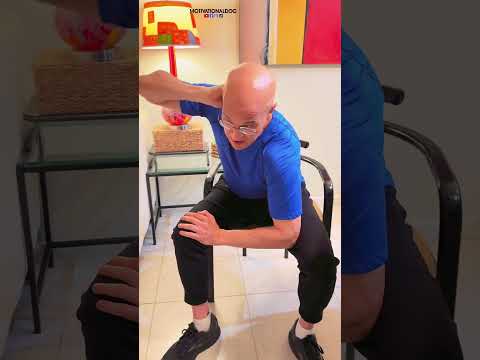
So, let’s talk about that pesky pain between your shoulder blades. You know, the kind that sneaks up on you after a long day at work or when you’ve had a really intense workout? Yeah, that one.
Este blog ofrece contenido únicamente con fines informativos, educativos y de reflexión. La información publicada no constituye consejo médico, psicológico ni psiquiátrico, y no sustituye la evaluación, el diagnóstico, el tratamiento ni la orientación individual de un profesional debidamente acreditado. Si crees que puedes estar atravesando un problema psicológico o de salud, consulta cuanto antes con un profesional certificado antes de tomar cualquier decisión importante sobre tu bienestar. No te automediques ni inicies, suspendas o modifiques medicamentos, terapias o tratamientos por tu cuenta. Aunque intentamos que la información sea útil y precisa, no garantizamos que esté completa, actualizada o que sea adecuada. El uso de este contenido es bajo tu propia responsabilidad y su lectura no crea una relación profesional, clínica ni terapéutica con el autor o con este sitio web.
I mean, it’s super annoying! You’re just trying to enjoy life, and here comes this tightness lurking in the back. Seriously, what gives?
Well, there are a bunch of reasons why it happens. And guess what? There are ways to help ease it too! So let’s break it down together. Trust me, by the end of this chat, you’ll be feeling way more equipped to tackle that discomfort head-on. Sound good? Cool!
When to Seek Help for Back Pain Between Shoulder Blades: Understanding Symptoms and Emotional Impact
So, back pain between the shoulder blades – it’s one of those things that can sneak up on you. One minute you’re feeling fine, and the next, there’s this nagging ache that just won’t quit. It’s like when you’re playing a game and suddenly realize your character is losing health for no reason. Frustrating, right?
First off, let’s talk about when to seek help for this kind of pain. You might think it’s just some random twinge, but pay attention to your symptoms:
- Persistent Pain: If the pain sticks around for more than a few weeks, it might be time to check in with a professional.
- Radiating Pain: If the pain travels into your arms or jaw, don’t stay quiet! This could be a sign of something serious.
- Weakness or Numbness: Feeling weak or numb is not normal and definitely needs a doctor’s eyes on it.
- Impact on Daily Life: If you’re finding it hard to do basic things—like lifting your grocery bags or even sitting comfortably—it’s worth getting some help.
You know what? Back pain isn’t just about physical discomfort. It can seriously mess with your head too. Imagine trying to enjoy an evening with friends but instead all you can think about is that nagging pain; it’s like trying to focus on a game while someone keeps hitting pause! Emotional stress can pile up over time if you’re not careful.
The thing is, our bodies and minds are intertwined. Chronic pain between your shoulder blades can lead to feelings of anxiety and irritability. Maybe you’ve noticed yourself getting cranky more often or feeling extra tired – that could be related! It all makes sense because when you’re in pain, even little things start to feel overwhelming.
If you’re experiencing any of this stuff—and especially if you have trouble breathing deeply or noticing other strange symptoms—seriously consider seeking help from healthcare professionals. They can provide assessments and explore possible causes like muscle strain from poor posture or even stress-related tension.
Remember: while this info is helpful, it’s not a substitute for real medical advice. Think of it like getting tips from friends before heading into a big boss fight; they can help prepare you but won’t replace the need for strong gear (or in this case, appropriate treatment!).
In short: don’t ignore back pain! Catching it early means a better chance at feeling good again soon. So if that annoying twinge turns into something more persistent, reach out for some support!
Effective Strategies to Relieve Upper Back Pain Between Shoulder Blades
Upper back pain, especially between the shoulder blades, can be such a drag. Seriously, it can make even the simplest tasks feel like climbing a mountain. You might be wondering what causes this discomfort. Well, there are several possible culprits!
- Poor Posture: Sitting hunched over your computer or phone for hours can lead to muscle strain.
- Muscle Strain: Overexerting yourself at the gym or lifting something heavy without using proper form.
- Stress: I mean, mental stress can cause physical tension in your muscles.
- Injuries: Sports injuries or even just a slip while walking can trigger pain in that area.
You know what’s tough? Dealing with that nagging ache when you’re trying to enjoy life. For me, it all started after a long day of gaming—sitting too long and not taking breaks added up to some serious discomfort. So let’s talk about some effective ways to relieve that pain.
- Stretching: Simple stretches can work wonders. Try gently pulling your arms across your chest or stretching them overhead. You could even do the classic “cat-cow” stretch from yoga—super effective!
- Meditation and Deep Breathing: Seriously, just take a moment to breathe deeply and relax those tense muscles. It’s amazing how calm you feel afterward.
- Heat Therapy: Applying a warm compress or heating pad can soothe tight muscles. Picture curling up on the couch with a cozy blanket and a heat pack—heavenly!
- Cold Therapy: If there’s inflammation, try some ice packs wrapped in a towel on the area for 15-20 minutes at a time.
If you spend long hours at your desk (who doesn’t these days?), consider adjusting your chair or getting an ergonomic setup! Your back will thank you later! Another idea is to take regular breaks — stand up, stretch out, and shake off that stiffness.
A quick note: If you find that these strategies don’t help after a while or if the pain gets worse, don’t hesitate to reach out to a professional who knows their stuff. Better safe than sorry, right?
I hope you find relief soon! You’ve got this!
When to Seek Help for Upper Back Pain Between Shoulder Blades: Understanding the Signs and Psychological Factors
Pain between your shoulder blades can be really frustrating, right? I mean, it’s like that annoying itch you can’t scratch. But knowing when it’s time to seek help is super important. So, let’s break it down.
First off, let’s talk about common causes. There are several reasons you might feel pain in this area:
- Poor Posture: Slouching or hunching over your desk can strain the muscles around your upper back.
- Muscle Strain: Overdoing it at the gym or lifting something heavy might result in muscle strain.
- Injuries: A fall or accident could lead to underlying issues that require attention.
- Spinal Issues: Conditions like herniated discs or arthritis may cause discomfort.
But wait! It’s not just about the physical stuff. Psychological factors also play a role. Stress and anxiety, for example, can manifest as tension in your upper back. You know that feeling when you’re super stressed about a big deadline? Your muscles might tighten up without you even realizing it.
So, when should you consider talking to a professional about this pain? Here are some signs that suggest it’s time to seek help:
- If the pain persists for more than a few weeks despite self-care measures.
- If you experience numbness or tingling in your arms.
- If it’s affecting your ability to do everyday activities—like working, playing games, or just chilling out.
- If the pain is accompanied by other symptoms such as fever or unexplained weight loss.
I remember my friend Sam, who ignored back pain for months while he was busy gaming and stressing about life. Eventually, he couldn’t even sit comfortably anymore! A quick trip to the doctor revealed some muscle issues and stress-related tension. With some treatment and a few changes in his routine—like stretching and ensuring his gaming chair was supportive—he made a great recovery.
Now, don’t forget: always talk to a healthcare professional before jumping into any treatment plans! They’ll know best how to address the issue based on an individual case.
In summary? Pay attention to your body. If that ache between your shoulder blades doesn’t lighten up and starts affecting your daily life or comes with strange symptoms, don’t hesitate to get some help. After all, taking care of yourself should always come first!
You know that feeling when you’re sitting at your desk for too long, and suddenly it hits you? A dull ache creeping between your shoulder blades that just won’t quit. It’s like a tight band wrapping around your upper back. Ugh, right?
Well, let’s break down what might be causing that pesky pain. Honestly, there are quite a few options to consider. For starters, bad posture is a major culprit. If you’re hunched over your laptop or phone all day, your muscles have to work overtime. They go all tense and grumpy on you, resulting in that pain you can’t ignore.
Another factor could be stress. I mean, we all have those days where everything feels overwhelming—like you’re carrying the world on your shoulders. Stress can result in muscle tension too! I remember this one time when work got super hectic; I ended up with a knot between my shoulder blades that felt like a rock was lodged there. Crazy how emotions can manifest physically like that!
Sometimes it might also stem from repetitive movements or poor sleeping positions. Ever wake up after a night of tossing and turning and feel like you’ve been run over by a truck? Yeah… not fun!
Now, what can you do about it? Well, first things first: check your posture! Seriously take some time to adjust how you sit or stand throughout the day. Maybe even get up for some stretches every so often—that’ll help ease the tension.
Heat therapy can be soothing too—like using a warm compress or taking a hot shower—just to relax those tight muscles. Some people swear by massages (oh man, who doesn’t love a good massage!?). It’s really about figuring out what works best for you.
If you’ve tried all of this but still feel like the pain is hanging around longer than your cousin at family gatherings, consider talking to someone about it—a physical therapist or even just chatting with your doctor could help clear things up.
In the end, taking care of yourself should always come first—it’s easier said than done sometimes! But seriously prioritizing movement and relaxation can make such a difference in how we deal with everyday pains. So don’t let that pain win!