Hey! You ever feel that annoying pain right at the back of your head? Ugh, it’s such a mood killer, isn’t it? I mean, one minute you’re chilling, and the next, bam!
Este blog ofrece contenido únicamente con fines informativos, educativos y de reflexión. La información publicada no constituye consejo médico, psicológico ni psiquiátrico, y no sustituye la evaluación, el diagnóstico, el tratamiento ni la orientación individual de un profesional debidamente acreditado. Si crees que puedes estar atravesando un problema psicológico o de salud, consulta cuanto antes con un profesional certificado antes de tomar cualquier decisión importante sobre tu bienestar. No te automediques ni inicies, suspendas o modifiques medicamentos, terapias o tratamientos por tu cuenta. Aunque intentamos que la información sea útil y precisa, no garantizamos que esté completa, actualizada o que sea adecuada. El uso de este contenido es bajo tu propia responsabilidad y su lectura no crea una relación profesional, clínica ni terapéutica con el autor o con este sitio web.
So many things can cause that nagging ache. Stress, bad posture, even how we sleep. It’s like our bodies are throwing little tantrums. Seriously.
But don’t fret! There are ways to tackle it. From simple stretches to chill techniques, there’s some relief out there waiting for you. So let’s chat about what might be going on and what you can do about it. Sound good?
Effective Strategies to Relieve Pain in the Back of Your Head and Address Associated Stress
So, pain in the back of your head can be such a drag, right? It’s one of those things that sneaks up on you and can leave you feeling all sorts of out of sorts. Let’s take a closer look at what’s going on with this kind of discomfort and some strategies to ease it.
First off, what causes this pain? There are quite a few possibilities. You could be dealing with tension headaches, migraines, or even issues with your neck. Stress is often a huge player too. Think about it; when you’re stressed out, your muscles tend to tighten up. This tension can travel down into your neck and then make its way to the back of your head.
Now, stress comes in many forms. Maybe it’s from work or school deadlines, family responsibilities, or just life throwing curveballs at you. Whatever the case may be, managing that stress can really help relieve pain in your head.
- Mindfulness and Relaxation Techniques: Deep breathing exercises and mindfulness meditation are awesome ways to calm those racing thoughts and reduce muscle tension. Just take a moment to breathe deeply for a minute or two; it’s amazing how much better you feel!
- Regular Exercise: Physical activity releases endorphins—those nifty little brain chemicals that act as natural painkillers! Something as simple as taking a walk or doing a bit of yoga can work wonders for both stress relief and back-of-the-head pain.
- Proper Hydration: Sometimes we forget how important water is! Being dehydrated can trigger headaches so make sure you’re sipping enough throughout the day.
I remember one time I had this nagging headache that wouldn’t quit. After trying all sorts of remedies, I realized I was barely drinking any water! Once I started hydrating more regularly, the headache eased significantly over just a couple days.
So what about other strategies?
- Heat Therapy: Applying heat to the neck area might help relax tense muscles. A warm compress or a hot shower does the trick nicely!
- Cognitive Behavioral Strategies: This may sound fancy but it’s just thinking differently about your stressors! By reframing how you respond to certain situations, you can lessen their impact on your overall wellbeing.
If you’re still feeling stuck after trying these methods—and let’s face it sometimes we just need professional input—talking to a healthcare provider is always smart too. They might suggest physical therapy or other treatments tailored specifically for you.
The important thing here is that while these techniques can help manage chronic pain and stress levels effectively, they don’t replace professional medical advice. Always listen to your body! If something feels off or if pain persists, don’t hesitate to reach out for help so you can get back on track feeling good again.
You know what? Being proactive about our health will really make life easier in the long run! So try mixing in some relaxation techniques with your day-to-day routine and see how that back-of-the-head pain treats ya!
Understanding Occipital Neuralgia: Causes, Symptoms, and Psychological Impact
Occipital neuralgia is one of those things that can really mess with your day. Imagine a sharp, throbbing pain shooting through the back of your head. Pretty uncomfortable, right? Here’s a closer look at what causes this pain, how you can recognize it, and the psychological impact it can have.
Causes of Occipital Neuralgia
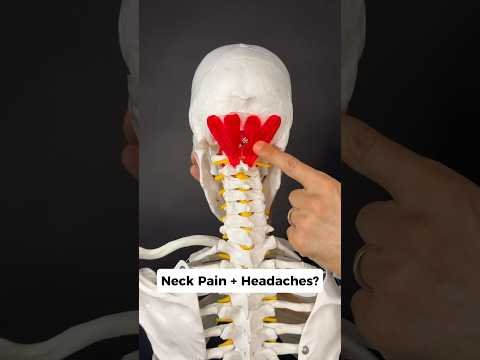
This type of headache happens when the occipital nerves, which run from your top spine to your scalp, get irritated or injured. You might wonder what could cause that. Well, here are some common culprits:
- Injury or trauma to the neck
- Pinched nerves caused by muscle tension
- Chronic neck problems like arthritis
- Migraine-related issues
- Certain infections or diseases
So let’s say you pulled a muscle in your neck while trying out a new workout. That muscle might squeeze the occipital nerve just enough to send you down a painful rabbit hole.
Symptoms You Might Experience
If you’re dealing with occipital neuralgia, here’s what you might feel:
- Sharp pain at the base of the skull (like someone poking you with a needle)
- Pain that spreads to the forehead and behind the eyes
- Sensitivity to light or sound (not fun during movie night)
- Tenderness in your scalp (maybe even brushing your hair hurts)
Imagine playing a game where losing lives means feeling an electric shock – that’s kind of how living with this pain can feel. It can be shocking and often feels relentless.
The Psychological Impact
Dealing with constant pain isn’t just about discomfort; it’s also emotionally draining. The psychological effects might include:
- Anxiety about when or if the pain will strike again.
- Frustration from not being able to enjoy activities like hanging out with friends or indulging in hobbies.
- Feeling helpless because treatments don’t seem effective for everyone.
You know how after an intense game session, sometimes you just need to take a break? Those moments are vital for mental recovery. For people suffering from occipital neuralgia, taking breaks and finding ways to manage stress is equally important.
Treatments You Can Consider
While it’s essential to consult with healthcare professionals for medical advice—this information doesn’t replace professional help—there are some treatments often recommended:
- Pain medications (think over-the-counter stuff like ibuprofen)
- Physical therapy focused on neck muscles (kind of like leveling up your physical skills)
- Nerve blocks for more severe cases (like rebooting a glitchy game)
Finding methods to manage any chronic condition is all about balance—keeping both body and mind happy is key!
Overall, if you’re dealing with any symptoms mentioned here or have concerns about occipital neuralgia, reaching out for medical help is crucial. No one should have to navigate this alone!
Understanding Pain at the Base of the Skull: Causes, Symptoms, and Psychological Factors
Feeling pain at the base of your skull can be super annoying, right? It’s like a riddle your body throws at you, and you’re left trying to figure it out. Let’s break down what might be going on and how psychology can play a part in it.
Causes
- Tension Headaches: Imagine your muscles in the neck and scalp tightening up after a long day. That’s basically what happens with tension headaches, often causing discomfort at the back of your head.
- Cervicogenic Headaches: These stem from issues in the neck, such as arthritis or injury. Any movement might feel uncomfortable, and that pain radiates to the base of your skull.
- Migraine: Some people experience migraines that can start from the back of their head! They bring along other fun symptoms like nausea and sensitivity to light—just what you needed, huh?
- Occipital Neuralgia: This is when the nerves running from the top of your spinal cord to your scalp get irritated. The result? Sharp, shooting pains that can feel kind of like electric shocks.
You know what? Sometimes it’s not just physical stuff causing this pain. Psychological factors can also play a role! Stress is like that uninvited guest who overstays their welcome; it tightens up muscles and makes discomfort worse. When you’re dealing with anxiety or chronic stress, you might find yourself clenching your jaw or tensing up without realizing it—yikes!
Symptoms
- Pain at the base of the skull that may feel dull or sharp.
- Sensitivity or tenderness when touching that area.
- Pain that radiates to other areas like temples or behind the eyes.
- Neck stiffness or difficulty turning your head.
A quick story: I remember a friend who was always stressed about work deadlines. She started getting these intense aches at her neck’s base—turns out she was holding all her tension there! After some relaxation techniques, she noticed improvement. Crazy what stress can do!
Psychological Factors
- Stress Management: Finding ways to cope with stress—like meditation or deep-breathing exercises—can really help reduce that tension in your body.
- Anxiety Relief: If you’re feeling anxious all the time, talking to someone can work wonders. Taking care of mental health reflects on physical health too!
The bottom line? Pain at the base of your skull could arise from various sources: physical issues like headaches and muscle tension or emotional ones like stress and anxiety. You know yourself best! If this pain lingers or worsens, reaching out to a healthcare professional is crucial for proper advice—you definitely want to rule out anything serious.
If you take care of both mind and body, you’ll be well on your way to feeling more comfortable day by day! So remember: listen to what your body tells you; it’s smarter than you think!
You know, pain in the back of your head can be such a weird experience. I remember once getting this intense ache right there after a long day at work. It felt like someone had tightened a vice back there! Honestly, it’s not just annoying; it can really mess with your focus and mood.
So, what’s going on when that happens? There are a bunch of possible causes for that pesky pain. Sometimes it might be tension headaches, which happen when you’re stressed or have been staring at screens way too long. Seriously, I can’t believe how easy it is to lose track of time scrolling on my phone.
Then there are migraines, which are a whole other beast! You might feel throbbing pain along with nausea or sensitivity to light and sound—ugh, right? And don’t get me started on cervicogenic headaches; these are related to neck issues and can radiate to the back of your head. So if you’ve been doing any heavy lifting or awkward sleeping positions lately, that could be the culprit.
Another thing worth mentioning is posture. If you’re slumped over your desk like a pretzel all day (guilty!), that could lead to some tightness in your neck and then radiate up toward the back of your head. Ugh! Isn’t it just maddening how interconnected our bodies can be?
Now for what you can do about it! First off, try chilling out a bit. Stress management techniques like meditation or deep breathing can really help ease those muscle tensions. A gentle massage on the neck and shoulders might also work wonders—seriously, who doesn’t love that? Some people swear by heat packs too; they can relax those tense muscles.
And hey, make sure you’re getting enough water! Dehydration can lead to all sorts of aches and pains—so drink up! If things become really unbearable though, don’t hesitate to chat with a health professional.
It’s all about listening to your body because sometimes those little signals are more significant than we think. Next time you’re feeling that nagging pain at the back of your head, take a moment for yourself before jumping straight into whatever’s stressing you out. You deserve that little break!