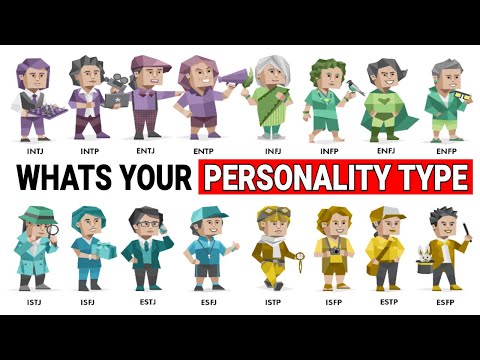
Okay, so let’s talk about Myers Briggs for a sec. You know, that personality test that everyone and their grandma seems to take? It’s pretty wild how much buzz it gets.
Este blog ofrece contenido únicamente con fines informativos, educativos y de reflexión. La información publicada no constituye consejo médico, psicológico ni psiquiátrico, y no sustituye la evaluación, el diagnóstico, el tratamiento ni la orientación individual de un profesional debidamente acreditado. Si crees que puedes estar atravesando un problema psicológico o de salud, consulta cuanto antes con un profesional certificado antes de tomar cualquier decisión importante sobre tu bienestar. No te automediques ni inicies, suspendas o modifiques medicamentos, terapias o tratamientos por tu cuenta. Aunque intentamos que la información sea útil y precisa, no garantizamos que esté completa, actualizada o que sea adecuada. El uso de este contenido es bajo tu propia responsabilidad y su lectura no crea una relación profesional, clínica ni terapéutica con el autor o con este sitio web.
But here’s the kicker: not all types are created equal. Some just seem to pop up more than others. Curious? Yeah, me too!
I mean, there’s something kind of fascinating about looking at the numbers, right? Those statistics can give us a peek into ourselves and our friends, maybe even that one coworker who keeps stealing your snacks.
So, if you’re ready to dive into the most common types and what that might say about us as humans, stick around! It could get interesting!
The Most Common MBTI Type in the World: Insights into Personality Preferences
The Myers-Briggs Type Indicator (MBTI) is a popular personality assessment tool that helps people understand their own preferences. It sorts individuals into 16 personality types based on four dichotomies: introversion/extroversion, sensing/intuition, thinking/feeling, and judging/perceiving. But do you know which one is the most common?
Surprisingly, the most frequently occurring MBTI type globally is ISFJ. This stands for Introverted, Sensing, Feeling, and Judging. Seriously! These folks make up about 13-14% of the population. So, if you’re at a party and feel like you’re surrounded by ISFJs, it’s not just you!
So why are ISFJs so common? Well, they tend to be warm-hearted and nurturing. They’re often described as «the defenders.» With their strong sense of responsibility and loyalty, they usually create a safe space for others. Picture a character like Samwise Gamgee from «The Lord of the Rings.» He’s fiercely loyal and always there to help his friends.
Let’s break down what makes ISFJs tick:
- Introversion: They recharge by spending time alone or with a few close friends.
- Sensing: Focused on concrete details rather than abstract ideas.
- Feeling: Make decisions based on emotions and values.
- Judging: Prefer structure and organization in their lives.
It’s interesting to see how these traits shape their interactions. ISFJs are often empathetic listeners and support systems for their loved ones. Have you ever had a friend who just knew how to comfort you after a tough day? Chances are they were channeling some serious ISFJ energy!
Now let’s touch upon something else: even though the MBTI can offer insights into personality traits, it’s not a rigid label. You can’t define someone entirely by their MBTI type; we’re all complex beings with unique experiences.
Also worth mentioning is that while MBTI can serve as an excellent tool for self-discovery or understanding relationships better—it’s not meant to replace professional help if you’re dealing with deeper issues or mental health concerns.
In summary, while there are many types out there with diverse characteristics, ISFJ shines as the most common type in the world! Their caring nature combined with practicality makes them invaluable companions in life’s journey. Next time you meet someone who fits that bill perfectly, you’ll know they’re likely part of that common crowd!
Exploring the Most Common Personality Types: A Comprehensive Overview
Personality types can feel like a fun puzzle, right? They help us understand ourselves and the folks around us. One popular way to explore this is through the Myers-Briggs Type Indicator (MBTI). So let’s take a look at some common personality types and what they’re all about!
INTJ: The Architect
These are the strategic thinkers. INTJs love to plan and think deeply about problems. In the world of gaming, they might be the ones crafting intricate strategies in games like «Civilization.» They value independence and often excel in their careers due to their forward-thinking approach.
ENFP: The Campaigner
Wow, these guys are like bursting with energy! ENFPs are enthusiastic and love connecting with others. Picture someone who dives headfirst into adventures in «Animal Crossing,» making friends with every character. They thrive on creativity and imagination.
ISTJ: The Logistician
ISTJs are all about organization and reliability. Think of them as the dependable players who always follow through on their quests in games like «World of Warcraft.» They appreciate tradition and structure, making them solid friends and coworkers.
ESFJ: The Consul
If you need someone who’s super caring, look no further than an ESFJ. They’re warm-hearted, always ready to lend a hand or offer support. Imagine someone throwing an epic party in «The Sims,» ensuring everyone has a great time! Their social skills shine best when they’re helping others.
INFP: The Mediator
INFPs are dreamers with a strong sense of values. These individuals often dive deep into their thoughts and feelings. If there’s an emotional storyline in a game like «Life is Strange,» you’ll likely catch them reflecting on it long after playing!
ENTJ: The Commander
Now we get to the natural leaders! ENTJs are bold and decisive, often taking charge of situations without hesitation. You can think of them as the strategic leaders mastering multiplayer battles in games like «Overwatch.» Their drive for efficiency makes them formidable.
- Personality Dynamics: Each type interacts differently within teams.
- Strengths: Knowing your type helps you play to your strengths.
- Caution: Personality types don’t define you completely!
But remember, while these categories can be enlightening, they aren’t everything about you or anyone else. Just because you fit into one type doesn’t mean you have to act that way all the time. Life is more complex than labels!
Exploring personality types gives us insights but it’s important not to substitute this understanding for professional help when needed—like if you’re feeling really down or confused about things. That’s a whole different journey, ya know?
So whether you’re trying to figure out yourself or support someone else, looking at personality types can be super helpful—just keep it real!
Exploring the Most Common Female Personality Types: Characteristics and Insights
Sure! Let’s chat about female personality types based on the Myers-Briggs Type Indicator (MBTI). It’s a cool framework, helping us understand different personality traits. So, you know, while it’s not a one-size-fits-all approach, it does give some interesting insights.
Understanding MBTI Basics
First off, the MBTI categorizes people into 16 different personality types based on four dichotomies:
- Introversion (I) vs. Extraversion (E) – Where you focus your attention.
- Sensing (S) vs. Intuition (N) – How you take in information.
- Thinking (T) vs. Feeling (F) – How you make decisions.
- Judging (J) vs. Perceiving (P) – How you deal with the outside world.
Now, let’s break down some of the most common female personality types and what they’re all about!
The ESTJ Woman
You might run into ESTJ gals fairly often! These ladies are all about structure and organization. They’re like the natural-born leaders of any group—think of the captain in a team game who keeps everyone in line.
Characteristics:
- Practical: They love to get things done efficiently.
- Responsible: You can count on them to follow through.
- Decisive: Making choices? No problem for an ESTJ!
A quick story: I once knew an ESTJ who coordinated our group project at school. She mapped everything out meticulously. Without her leadership, who knows where we would’ve ended up?
The INFP Woman
On the flip side, we have INFPs—these ladies are dreamers and idealists. They often wear their hearts on their sleeves and care deeply about values.
Characteristics:
- Caring: They genuinely want to help others.
- Creative: Many express themselves through art or writing.
- Tolerant: Open-mindedness is their thing!
I remember chatting with an INFP at a café—she was crafting poetry while sipping her tea. Her passion for her work really lit up the whole vibe around us!
The ENTJ Woman
Now onto our powerhouses—the ENTJs! If you’re looking for someone to take charge in any situation, these women often lead from the front.
Characteristics:
- Daring: They aren’t afraid to tackle challenges head-on.
- Straightforward: Expect honesty—they say it how it is!
- Aspiring: Ambitious goals keep them moving forward.
One time at a networking event, I met an ENTJ who was making connections left and right—her confidence truly made her stand out!
The ISFJ Woman
Meanwhile, ISFJs are often considered the caretakers among us. You can think of them as nurturing souls who find joy in helping others.
Characteristics:
- Loyal: Once you’re friends, they’ll be by your side for life!
- Diligent:You can trust them to put effort into everything they do.
- Persistent:No challenge is too great—they don’t back down easily!
I had a neighbor who was an ISFJ; she baked cookies for every new household that moved in. Talk about making people feel welcome!
A Little Humility Here!
While these types can shed light on behaviors and traits, it’s super important to remember that personality isn’t everything! Everyone’s unique—even within these categories. Plus, if you’re struggling with anything huge or need advice specific to your situation? Seriously consider reaching out to a professional.
All this being said—it’s fun exploring these personality types! Whether you’re figuring yourself out or just curious about others around you, there’s always something fascinating beneath those surface traits. So go ahead and dive deeper into those personalities! Who knows? You might discover something new about yourself or someone close to you!
You know, the Myers-Briggs Type Indicator (MBTI) is one of those personality assessments that people either love or roll their eyes at, right? I mean, it’s gotten a lot of attention over the years. But here’s the thing – even if you’re not a huge fan of personality tests, it’s super interesting to see which types are more common and how they fit into our everyday lives.
So, when we look at the stats, one type tends to pop up more than others. The ISFJ – that’s «Introverted,» «Sensing,» «Feeling,» and «Judging» for you newbies out there. You might think it’s just another acronym, but these folks are often described as warm and nurturing. They are like the caretakers of the world! Honestly, it makes sense when you consider how many people have that tendency to help others and keep things running smoothly in their communities.
I remember once meeting an ISFJ named Karen at a community event. You could just feel her energy; she was organizing everything from snacks to volunteers with this quiet confidence that made everyone feel supported. It was like she had this inner light guiding her decisions. It really struck me how essential someone like her is in a group setting.
But hey, being common doesn’t mean they’re boring! ISFJs can be super reliable but also have rich inner worlds full of deep thoughts and feelings. And while it seems like they might blend into the background sometimes, their impact can be huge!
Now, if you expand your view a little past ISFJ, other types like ESTJ (that’s «Extraverted», «Sensing», «Thinking,» and «Judging») show up quite often too. These guys tend to take charge in professional settings – think about those natural leaders who take responsibility without breaking a sweat.
Looking at this statistical overview gives you some insight into not just who we are as individuals but also how we connect with one another. It highlights human nature’s diversity while reminding us that traits like empathy and leadership come in different packages.
So yeah, whether you’re all about MBTI or just casually curious about personality types, there’s something comforting in knowing these patterns exist. You might find yourself reflected back in them or even discover new ways to understand those around you!