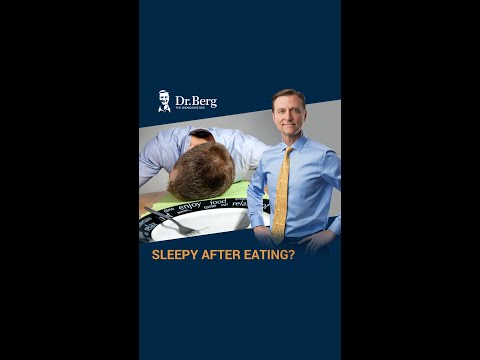
Hey, you ever feel like you just hit a brick wall after eating? Like, one minute you’re all set to tackle the day, and the next, you’re fighting the urge to take a nap? Yeah, that lethargy can really throw a wrench in your plans.
Este blog ofrece contenido únicamente con fines informativos, educativos y de reflexión. La información publicada no constituye consejo médico, psicológico ni psiquiátrico, y no sustituye la evaluación, el diagnóstico, el tratamiento ni la orientación individual de un profesional debidamente acreditado. Si crees que puedes estar atravesando un problema psicológico o de salud, consulta cuanto antes con un profesional certificado antes de tomar cualquier decisión importante sobre tu bienestar. No te automediques ni inicies, suspendas o modifiques medicamentos, terapias o tratamientos por tu cuenta. Aunque intentamos que la información sea útil y precisa, no garantizamos que esté completa, actualizada o que sea adecuada. El uso de este contenido es bajo tu propia responsabilidad y su lectura no crea una relación profesional, clínica ni terapéutica con el autor o con este sitio web.
You know what I mean? You look down at your plate and think, “This should give me energy,” but instead, all you want to do is curl up on the couch. It’s weird how food can sometimes feel like it’s draining the life out of you instead of fueling you up.
So what gives? Let’s dig into those post-meal slumps. We’ll break it down together—what causes it and what you can do to shake off that sleepy vibe. Ready? Let’s get into it!
Understanding Post-Meal Sleepiness: Is It a Sign of Diabetes?
So, you just finished a meal and now you feel like you could take a nap right then and there. You’re not alone in this post-meal drowsiness thing. But what’s the deal with it? Is it just normal, or could it be pointing to something like diabetes? Let’s break it down.
First off, let’s talk about what happens in your body after you eat. When you chow down, your body gets busy digesting food. This requires energy and blood flow shifts toward your digestive system—leaving less for the rest of your body. This shift can lead to feelings of fatigue or that big “food coma” sensation.
But if this sleepiness happens often or is really intense, it might raise some eyebrows regarding diabetes. Here are a few reasons why:
- Blood sugar spikes: After eating, especially foods high in sugar or carbs, your blood sugar levels can spike quickly. In some people, such spikes can lead to that sleepy feeling as your body tries to regulate things.
- Insulin response: For those with insulin resistance (which can happen before diabetes fully develops), the body struggles to manage these spikes well. The result? Extreme tiredness.
- Hormonal changes: Eating triggers hormones like serotonin, which helps regulate mood but can also make you feel drowsy.
Now let me throw in a quick story here—my buddy Tom loves his pasta dinners. We’d always chill after eating and watch some Netflix, but I noticed he’d get super sluggish right after meals. Turns out his favorite dish was spiking his blood sugar big time! When he switched to more balanced plates with proteins and veggies on the side—he felt a lot better post-meal.
That said, non-diabetic folks should still pay attention! There’s plenty of reasons you might feel lethargic after eating:
- Poor diet choices: Too many refined sugars or heavy meals can sap your energy.
- Overeating: If you’re stuffing yourself silly at lunch or dinner, your body is working overtime!
- Lack of hydration: Sometimes thirst masquerades as tiredness; drink up!
So what about solutions? Here are some quick ideas that could help keep that sleepiness at bay:
- Energizing foods: Load up on whole grains, lean proteins, and healthy fats; these help maintain stable blood sugar levels.
- Smaller portions: Instead of giant meals that weigh you down—try breaking them into smaller snacks throughout the day.
- Minding hydration: Keep water close by! Staying hydrated helps keep both energy levels and mood stable.
Feeling sleepy after eating isn’t always a red flag for diabetes but should definitely catch your attention if it becomes a pattern. If you’re worried about how frequently this happens or if it’s really impacting your life—talking to a healthcare provider is key.
In short? Post-meal sleepiness can be influenced by many things beyond just diabetes. But keeping an eye on what fuels you—and how much of it—is always a win for feeling fresh throughout the day!
Understanding Uncontrollable Sleepiness After Eating: Causes and Psychological Insights
You know that feeling you get when you finish a big meal, and it’s like all your energy just vanished? You’re not alone. This phenomenon, often called postprandial somnolence, is pretty common. Let’s break down what’s happening in your body and mind when you feel sleepy after eating.
First off, let’s talk about digestion. When you eat, your body directs a ton of blood to your digestive system to help break everything down. This means less blood flow to other parts of your body, like your brain, which can make you feel a bit sluggish or even sleepy. It’s like taking a character in a video game and putting them on standby while their health regenerates – it takes resources away from being active elsewhere.
Now, the type of food you eat plays a major role too. Heavy meals rich in carbohydrates and fats can lead to that lull in energy. Think about it this way: ever been at an all-you-can-eat buffet? You dive into some pasta and pastries, and suddenly all you want to do is take a nap! That’s because these foods cause your body to release more insulin, which helps with the absorption of nutrients but also sends tryptophan (a precursor to serotonin) into your brain. And guess what? Serotonin can be converted into melatonin—a sleepy hormone!
Here are some key factors contributing to feeling lethargic after eating:
- Meal size: Larger meals can intensify feelings of tiredness.
- Food composition: High sugar or carb-heavy meals can spike your blood sugar levels quickly.
- Hydration: Sometimes we’re just dehydrated! Dehydration can zap energy too.
- Circadian rhythm: Our bodies naturally slow down during certain times of the day, usually after lunch.
But wait—there’s more! Stress and emotional states also play roles in how our bodies react after meals. Have you ever eaten something comforting when you’re feeling down? Food can bring feelings of relaxation or lethargy due to its connections with our emotions. This makes sense since food isn’t just fuel; it’s often tied closely with our moods.
For those who find themselves dealing with excessive sleepiness regularly after meals (like wanting to snooze for hours), it might be worth chatting with a professional about it as it could indicate underlying issues such as sleep apnea or diabetes.
So what can we do about this overwhelming urge to nap right after lunch? Here are some potential solutions:
- Watch portion sizes: Smaller meals may keep that sleepy monster at bay.
- Balance out foods: Include proteins and healthy fats along with carbs.
- Stay hydrated: Drink water; it helps keep energy levels up!
- Take breaks: A short walk post-meal can work wonders in boosting alertness.
In the end, feeling drowsy after eating is perfectly normal for most people! Just remember: if sleepiness becomes extreme or affects your daily life significantly, seeking professional help is always smart—that way, you’ll get tailored insight into what’s best for you.
Understanding Postprandial Somnolence: Why You Feel Sleepy After Eating
Feeling sleepy after a meal, huh? It’s a common thing! You know that feeling when you want to curl up on the couch after a hearty lunch or dinner? That’s called postprandial somnolence. Sounds fancy, right? But it’s just a way of saying you feel tired after eating.
So, what causes this sleepy feeling? Well, let’s break it down.
Your body’s response to food
When you eat, your body kicks into gear to digest all that delicious food. This process requires energy, and guess what? Your body directs more blood flow to your digestive system. This means less blood is available for other areas, like your brain. Imagine you’re playing a video game where all your resources go to upgrading one skill; other parts might start lagging behind!
Type of food matters
The kinds of foods you consume can really affect how you feel afterward. High-carb meals can spike your blood sugar levels temporarily. Then there’s usually a crash, which can leave you feeling lethargic.
Now here’s something interesting: ever notice how heavy meals make you want to nap more than light snacks? Yeah! When you fill up on big portions, your body works overtime digesting it all.
Hormonal fluctuations
Eating triggers hormonal changes too! For instance, insulin goes up when we eat carbs. It helps get glucose into cells but can also lead to feelings of fatigue if it dips too low later on. Just think about how sometimes when you’re playing a game too long without breaks, your energy starts lagging. That’s similar!
Tips to combat that sleepy vibe:
- Eat lighter meals: Smaller portions can ease digestion.
- Balance nutrients: Mix proteins with complex carbs and healthy fats.
- Stay hydrated: Sometimes dehydration can add to that tiredness.
- Mild activity: A light walk post-meal could help boost your energy levels.
It’s not just about the food though; factors like sleep quality and stress also play roles in how energized or tired we feel after eating.
And hey, if this fatigue becomes persistent or interferes with daily life—it might be worth chatting with a healthcare professional about it. You know yourself best! It’s always okay to seek advice tailored just for you.
In the end, while it’s normal to feel sleepy sometimes after munching down some grub, being aware of what triggers those feelings helps us take charge of our energy levels better! So next time you’re eyeing that leftover pizza but worried about drifting off afterward… remember: balance is key!
Ever feel like you could just curl up and take a nap right after munching on lunch? Yeah, me too. Seriously, it’s like the moment that last bite hits your stomach, your energy levels plummet. You’re not alone in this; lots of people experience that post-meal sluggishness, and it can be super frustrating.
So what’s happening here? It’s all about how our bodies process food. When you eat, especially if it’s a heavy meal, your body starts to direct blood flow to the digestive system. It’s like your body’s way of saying, «Hey guys! Time to focus on breaking this down.» This diversion means less blood flow to other parts of your body like your brain and limbs—you know, the areas you’d want to stay alert!
And let’s not forget about what you’re eating. Seriously, if you load up on carbs or sugary treats, that can send your sugar levels on a roller coaster ride. First up, you feel awesome and energized! And then bam! Reality hits hard as your sugar crashes and leaves you feeling drained.
I remember once after a big family feast—think tons of pasta and dessert—I felt like I was glued to the couch. My cousin just laughed at me while I fought to keep my eyes open during a movie marathon. Who knew lasagna could have such power? But hey—it’s all part of how our bodies react to what we eat.
So what can you do about it? For starters, try mixing in some lighter meals with lots of veggies and lean proteins. These foods take longer to digest and help keep energy levels stable so you’re not bouncing off the walls one minute only to crash the next.
Hydration is also key! Drinking enough water throughout the day helps keep everything flowing smoothly—you know what I mean? Sometimes when we feel lethargic, it might just be our body asking for a little refreshment.
Another thing to consider is timing—maybe spacing out those meals is something worth trying out too. Small snacks throughout the day can prevent that bloated feeling after eating too much at once.
In the end though—it’s all about balance. Learn which foods leave you feeling energized rather than snoozy-bear mode and adjust accordingly! Your body will thank ya for it later. So next time you’re eyeing that heaping plate of spaghetti, maybe pause for a second reflection—your future self might just want something lighter instead!