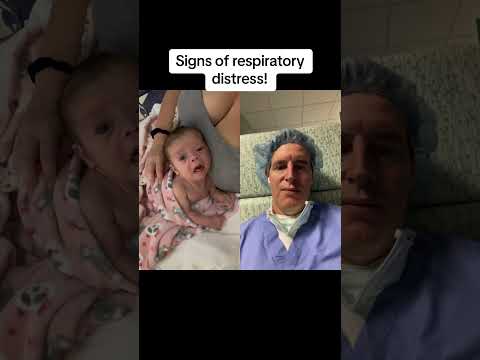
Hey you! Let’s chat about something that can really worry new parents: your little one’s breathing. Ever noticed how fast babies can breathe sometimes? It’s kind of wild, right?
Este blog ofrece contenido únicamente con fines informativos, educativos y de reflexión. La información publicada no constituye consejo médico, psicológico ni psiquiátrico, y no sustituye la evaluación, el diagnóstico, el tratamiento ni la orientación individual de un profesional debidamente acreditado. Si crees que puedes estar atravesando un problema psicológico o de salud, consulta cuanto antes con un profesional certificado antes de tomar cualquier decisión importante sobre tu bienestar. No te automediques ni inicies, suspendas o modifiques medicamentos, terapias o tratamientos por tu cuenta. Aunque intentamos que la información sea útil y precisa, no garantizamos que esté completa, actualizada o que sea adecuada. El uso de este contenido es bajo tu propia responsabilidad y su lectura no crea una relación profesional, clínica ni terapéutica con el autor o con este sitio web.
So, if your baby seems to be breathing like they just ran a marathon, it might leave you feeling anxious. We all want to know what’s normal and what’s not. It’s totally normal to freak out a little when it comes to those tiny humans.
In this conversation, we’ll explore why infant breathing can get all speedy and when it might be time to give the doc a call. Don’t stress too much; we’ve got this together!
When to Take Your Baby to the ER for Fast Breathing: Key Signs and Parent Guidance
So, you notice your little one is breathing a bit faster than normal, huh? It can be super concerning when baby’s health is on the line. Fast breathing, or tachypnea, can signal some underlying issues. Let’s break this down so you can know what to look for and when it’s time to head to the ER.
First off, we need to understand what’s considered “fast breathing.” For infants, a normal breathing rate is around 30 to 60 breaths per minute. If you start seeing numbers above that, it might be time to pay attention. Here are some key signs that should make you think twice:
- Grunting sounds: If your baby sounds like they’re constantly trying to grunt, it could indicate they’re struggling.
- Nasal flaring: You know how a dog sniffs? Sometimes babies flare their nostrils while trying hard to breathe. If you see that, don’t wait around.
- Chest retractions: This means the skin between their ribs is sucking in with each breath. It’s like a little cave forming—definitely not good news!
- Pale or bluish color: If your baby’s skin starts looking off-color—like they’ve been stuck underwater too long—you need help fast.
- Coughing or wheezing: These sounds could mean something’s blocking their airways or making it tough for them to breathe; and that is never good!
I remember one night when my friend panicked because her little one suddenly started breathing fast during a fever. It was alarming! After checking those signs I mentioned, she called her pediatrician who advised her on what to do next. That’s an important step—always reach out for guidance!
If you see any of those key signs, don’t hesitate! Going into the ER can feel scary but better safe than sorry when it comes to baby health. They will check things out fresh and ensure everything’s A-OK—or take necessary steps if it’s more serious.
A lot of different things can cause rapid breathing in infants like fevers, infections, or even allergies. Sometimes babies just have immature lungs that aren’t quite ready for all of life’s «breathing» challenges yet! But only a healthcare professional can tell you exactly what’s going on.
Remember, if you’re ever uncertain about your baby’s health—and especially if they show these concerning symptoms—get help right away! Don’t let worries pile up; trust your instincts as a parent!
This info is meant to prepare and inform you but always consult your doctor in these situations—they really know best!
Essential Steps to Take When Your Baby is Breathing Fast: A Parent’s Guide
Looking at your little one and noticing they’re breathing fast can be pretty alarming. You might start to wonder what’s going on, right? It’s important to remember that babies can breathe a bit quickly from time to time. But just in case, let’s chat about what you should do and when it’s time to seek help.
- Recognize Normal Breathing Rates: For infants, a normal breathing rate is typically about 30 to 60 breaths per minute. If it’s more than that, don’t panic just yet.
- Consider Factors: Sometimes babies breathe faster because they’re excited or just finished a big cry session! Other times it could be due to fever or stuffy noses.
I once saw my friend’s baby go from being calm to breathing like they’d just run a marathon after a little tummy tickle. It was wild! They were fine after settling down, but it made me realize how quickly things can change.
- Check for Other Symptoms: Keep an eye out for signs like coughing, wheezing, or trouble feeding. If those pop up along with fast breathing, it might be time to take action.
- Look at Their Color: Is your baby pale or bluish around the lips or face? That’s a big red flag!
Another thing you might notice is their chest motions. If it’s sinking in quite a bit between ribs (called retractions), or their nostrils are flaring, it’s worth paying attention to.
- Create Calmness: If you find your baby breathing fast but they seem otherwise okay—like playful and alert—help them relax. Cuddling them gently can sometimes do wonders.
- Monitor Fever: If they have a fever along with rapid breathing, check the temperature. A fever could mean there’s an infection that needs attention.
But hey—don’t hesitate if something feels off! Trust your gut! If you’re feeling uneasy about their breathing:
- Seek Medical Help: When should you call the doctor? Definitely if there are signs of distress or if their fast breathing lasts more than an hour without improvement.
- Avoid Home Remedies: Remember not to try random remedies without talking to a healthcare professional first; every baby is unique and needs specific help.
Never underestimate your instincts as a parent! They’re usually spot-on. Fast breathing in babies can sometimes signal something serious—it doesn’t always end up being nothing.
In the end, keeping calm—while being vigilant—is key. Enjoy those little moments with your baby and take good notes on how they’re feeling day by day! Just remember that when it comes to health concerns, reaching out for professional guidance is always best.
Understanding Fast Breathing in Sleeping Babies: Causes and Concerns
So, let’s chat about something that might have popped up for you if you’ve got a little one: fast breathing in sleeping babies. It can be kind of alarming, right? But don’t freak out just yet. There are plenty of reasons this happens, and most of them aren’t serious.
First off, what’s considered “fast breathing”? Well, a normal breathing rate for newborns and infants ranges from about 30 to 60 breaths per minute. If your baby is consistently taking more than that while they’re asleep, it’s worth paying attention to. But remember, babies can be a bit random with their breathing patterns.
Okay, let’s get into the causes! Here are some common reasons for fast breathing:
- Rem Sleep: Just like adults, babies have different sleep phases. During REM (Rapid Eye Movement) sleep, their breathing can speed up. This isn’t usually anything to worry about!
- Excitement or Activity: If your baby has been active or excited before nap time—think playtime with rattles or peek-a-boo—they might breathe faster when they finally settle down.
- Temperature: Babies don’t regulate their body heat as well as adults do. If they’re too hot or bundled up too tightly, you might notice faster breaths.
- Nasal Congestion: If your little one has a stuffy nose (which is super common), they’ll often breathe faster through their mouth instead.
You see? Some of these reasons are pretty innocent! However, there are times when fast breathing could signal something more serious:
- Infections: Respiratory infections can lead to rapid breathing as the body works harder to get enough oxygen in.
- Asthma: Though it’s less common in infants than in older kids and adults, asthma can cause quick breaths along with wheezing or coughing.
- Croup: This is a viral infection characterized by a barking cough and might also bring on rapid breathing.
If you notice any of these concerning signs along with fast breathing—like blue-ish skin color (especially around the lips), extreme lethargy, or trouble feeding—don’t hesitate to contact your pediatrician.
Sometimes it feels like an overreaction to call the doctor; I get it! But trust me when I say it’s always better to be safe than sorry!
And hey, if you’re ever in doubt about anything concerning your baby’s health or behavior, reaching out for professional help is really important. There’s no substitute for good medical advice tailored specifically for your child.
The bottom line? Fast breathing while sleeping can happen for lots of reasons—from normal sleep cycles to stuffy noses. And most importantly: listen to your instinct as a parent! You know your baby best.
If something feels off or if you’re just worried about them—call the doc!
You know, seeing a little one breathing fast can really get your heart racing, right? I mean, kids are such fragile beings, and as parents or caregivers, we just want to keep them safe. So, when you notice that your baby is taking those little quick breaths, it can raise some alarm bells.
Let’s talk about what might be going on. Sometimes, it’s nothing to worry about at all! Babies often breathe quickly when they’re excited or fussy—sort of like when you sprint to catch the bus and are out of breath. Or maybe they’ve just had a good cry or are working up an appetite; their little chests might speed up for a bit.
But, here’s where it gets tricky. Other times, fast breathing could be a sign of something more serious. If they’ve got fever or look like they’re in distress—maybe they’re pulling in their ribs or nostrils—you should definitely pay attention. This is where my buddy Sarah’s story comes to mind. She once saw her toddler breathing rapidly while playing and didn’t think much of it at first. Then she noticed him getting a bit pale and lethargic. A quick trip to the doctor revealed he had an infection that needed treatment right away! Good thing she acted fast!
So when should you really be concerned? If your baby seems unusually tired or has trouble feeding along with the speedy breaths—that’s a cue for you to seek help pronto! Also keep an eye out for any grunting sounds or if they’re turning blue around the lips; those need immediate attention.
All in all, trust your gut! If something feels off with your tiny human’s breathing patterns, don’t hesitate to reach out for advice from a healthcare professional. After all, being proactive never hurt anyone – especially not our little ones! Just remember that while fast breathing might seem scary sometimes, often it’s just part of their growing and exploring world.