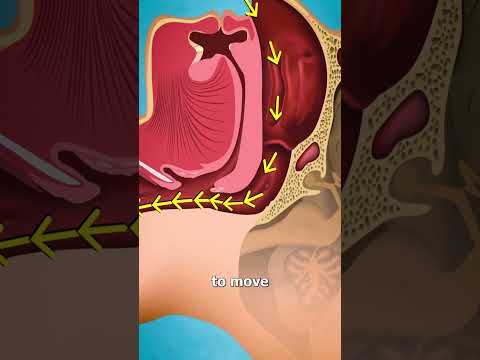
Hey, you! So, let’s talk about sleep. Yeah, that thing we all need but sometimes struggle with.
Este blog ofrece contenido únicamente con fines informativos, educativos y de reflexión. La información publicada no constituye consejo médico, psicológico ni psiquiátrico, y no sustituye la evaluación, el diagnóstico, el tratamiento ni la orientación individual de un profesional debidamente acreditado. Si crees que puedes estar atravesando un problema psicológico o de salud, consulta cuanto antes con un profesional certificado antes de tomar cualquier decisión importante sobre tu bienestar. No te automediques ni inicies, suspendas o modifiques medicamentos, terapias o tratamientos por tu cuenta. Aunque intentamos que la información sea útil y precisa, no garantizamos que esté completa, actualizada o que sea adecuada. El uso de este contenido es bajo tu propia responsabilidad y su lectura no crea una relación profesional, clínica ni terapéutica con el autor o con este sitio web.
I mean, who doesn’t have a crazy sleep story, right? Maybe it’s the time you stayed up binge-watching your favorite show or when you just couldn’t find a comfy position.
Sleep is like that mixed bag of chocolates—sometimes sweet and dreamy, other times it’s just confusing and frustrating.
I’ve had my fair share of wild nights and unexpected wake-ups. Seriously, grab some popcorn because it’s been a journey!
You ready to hear about my adventures in dreamland? Let’s jump in!
Understanding Hypnagogia: Is It a Mental Disorder?
So, sleep is a pretty wild ride, right? Ever heard of **hypnagogia**? It’s that funky space between being awake and drifting off to sleep. You know, when your mind starts to play tricks on you? Some might say it feels like you’re in a dream world but still half-aware. But here’s the kicker: is it really a mental disorder?
First off, let’s clear things up a bit. Hypnagogia isn’t classified as a mental disorder. It’s totally natural for many people! Picture this: you’re lying in bed at night, and suddenly you hear sounds or see visions that aren’t really there. Kind of like when you’re playing a game and your character starts glitching out for no apparent reason. But instead of pixels messing up, it’s all in your noggin.
Here are some key *things* about hypnagogia:
- Visual and Auditory Hallucinations: You might hear someone calling your name or see shapes dancing around the room.
- Sensations of Falling: Ever jolt awake from dreaming you’re falling? That’s a classic hypnagogic experience!
- Shift in Awareness: It can feel like you’re both asleep and awake at the same time—a super weird sensation.
This state can be influenced by several factors. Stress or sleep deprivation can crank up those experience levels. And hey, some people actually find it creative! Artists have sometimes tapped into this dreamy state for inspiration—like Salvador Dalí or even those trippy video games where reality twists around!
But wait! Just because hypnagogia is common doesn’t mean everyone experiences it in the same way. If someone often feels scared or overly anxious during these episodes, they might want to chat with someone who knows their stuff—a therapist or doctor.
When I was younger, I had my own encounter with hypnagogia. One night as I was dozing off, I could’ve sworn I heard my childhood friend laughing nearby. But when I opened my eyes—surprise! No one was there but me and my goofy cat stargazing from the window! It was bizarre yet oddly comforting in its own way.
Another thing to keep in mind is that if you’re experiencing very intense episodes causing distress or impacting your daily life (like trouble concentrating), that could be an issue worth discussing with a pro.
All said and done, hypnagogia is just part of our unique relationship with sleep—definitely not something scary lurking under the bed! It’s more about understanding how our brains work during those twilight moments before we fully snooze out.
In case you find yourself questioning if what you’re feeling during those moments is «normal,» just remember: **it’s all part of the journey through sleep**—and it’s always cool to seek help if things get tricky!
Understanding Sleep Actions: Why You Do Things in Your Sleep and Don’t Remember
So, let’s talk about sleep actions! You know, those moments when you suddenly wake up and realize you’ve done something bizarre while you were snoozing? It’s wild, but there’s actually some fascinating science behind it.
First off, sleep actions are mainly linked to a couple of things: sleepwalking and REM sleep behavior disorder. While you might think they’re just funny stories to tell your friends, they can tell us a lot about what happens in our brains when we’re knocked out.
When we enter the different stages of sleep, our brain is busy doing its thing. In fact, during non-REM sleep phases, your body is mostly still. It’s like your brain decides to hit pause on the action. But in REM (Rapid Eye Movement) sleep—where dreaming happens—your brain can be super active! Sometimes it’s like an interactive video game where characters come alive but you can’t really control them.
Here’s how it works:
- Sleepwalking usually occurs during the non-REM stage. You might get up and walk around or even do chores without remembering a thing later! It’s like being in a zombie movie, right?
- REM Sleep Behavior Disorder happens when the muscle paralysis that usually keeps our bodies from acting out dreams doesn’t kick in properly. This means you could literally be flailing around as if you’re fighting off imaginary dragons!
- You may also find yourself talking or even eating while asleep! Ever heard of those late-night fridge raids? That could be sleep-related too!
Now, why don’t we remember these actions? When we dream and engage in these crazy activities, our brains are sort of compartmentalizing everything. You know how sometimes you play a game and get so caught up that reality blurs? That’s similar to what happens during sleep—you’re really into it but not storing memories for later.
Imagine for a second that you accidentally sent an embarrassing text while half-awake because it felt like part of a dream. Yikes! But seriously, this is all connected to how your brain categorizes experiences while asleep.
So what triggers these actions? Stress is often a big player here. If you’ve been under pressure or if your routine’s been thrown off—like juggling work and social life—you might find yourself having more intense dreams or engaging in these nighttime antics.
In the end, if you notice these behaviors happening regularly—or if they’re affecting your life—it might be worth touching base with someone who specializes in sleep issues (not just Googling it!). Remember though—it doesn’t replace professional help; it simply offers some food for thought about what’s rattling around when you’re off in dreamland!
Sleep should be restorative and peaceful—not an episode of *The Walking Dead* in your own home! So if those midnight escapades keep happening, maybe time to investigate further!
Understanding Parasomnia: Types, Causes, and Psychological Impacts
Parasomnia is one of those terms that sounds way more complicated than it actually is, you know? It’s basically anything weird that happens when you’re sleeping. This can include stuff like sleepwalking, talking in your sleep, or even having intense nightmares. And it’s not just annoying; it can mess with your life a little.
Types of Parasomnia
- Sleepwalking: You might be surprised to learn that people can literally get up and walk around while they’re still asleep. It’s like being in a video game but not really controlling your character! Imagine navigating through the kitchen at 3 AM without even knowing it!
- Sleep Talking: This one’s pretty common, where you say things while still snoozing away. Sometimes it’s gibberish; other times, it could be full-on conversations. You might think you’re a fluent dream speaker!
- Nightmares: Ever wake up feeling like you just ran a marathon through a horror movie? Well, that’s what nightmares do! They trigger these intense feelings of fear or anxiety while you’re fast asleep.
- NREM Arousal Disorders: This includes things like night terrors and sleepwalking. You might wake up suddenly feeling terrified and not really know why. Honestly, it can leave you feeling super shaken!
Causes of Parasomnia
- Genetics: Believe it or not, some people are just wired for weird sleep experiences! If your family has a history of parasomnia, guess what—you may have inherited that trait.
- Lifestyle Factors: Stress levels can seriously impact sleep quality. If your brain’s racing all day long about work or personal issues, don’t be shocked if nightmares show up uninvited at night.
- Medications: Some meds can affect how deeply you sleep. Certain antidepressants and other drugs might lead to more vivid dreams or episodes of parasomnia.
Psychological Impacts
The psychological effects of parasomnia can be significant. For instance, if you’re constantly waking up from nightmares or find yourself wandering around in the dark every night, it can lead to increased anxiety during the day. You may start to dread bedtime because your brain associates it with fear instead of rest.
I remember a friend who dealt with night terrors for months on end; she was so exhausted by morning that she often felt overwhelmed at work and struggled to concentrate on tasks. It was seriously hard for her! Losing sleep over these experiences led to her feeling anxious about going to bed at all.
Your Journey Through Sleep
If you’re on this journey through your own sleep experiences, remember—it’s okay to seek help if something feels off. Consulting with healthcare professionals can make a huge difference when dealing with this stuff! They might guide you toward practical solutions like stress management techniques or cognitive-behavioral therapy (CBT).
In the end, parasomnia might seem bizarre and frustrating but knowing more about what’s going on—like understanding the types and causes—gives you power over it!
You know when you hit that pillow after a long day, and it feels like you’ve just crossed the finish line of a marathon? That’s me every night! Seriously, sleep can be such a bizarre experience when you think about it. It’s like stepping into another world, right? One minute I’m wide awake, and the next I’m in this dreamy state where anything is possible.
I remember one night in particular. It was one of those evenings where everything seemed to go wrong. My work project was giving me major headaches, and I had spilled coffee all over my favorite shirt. By the time I crawled into bed, my mind was racing. My thoughts were juggling every worry imaginable: deadlines, emails, and an upcoming family gathering that felt more like a pressure cooker than a joyful reunion.
But then something magical happened as soon as my head hit the pillow. The whir of my fan created this perfect white noise that slowly began to drown out my chaotic thoughts. You know how it is—it’s like your brain has its own special way of winding down. I focused on my breathing—deep breaths in and out—and suddenly, my eyelids felt heavier than lead.
What’s interesting is how sleep isn’t just about shutting down your body; it’s way more complex than that! As we drift off, our brains start processing everything we experienced during the day. It’s almost like our internal computers are cleaning up files and throwing away junk data! And even though I sometimes wake up groggy or in the middle of a weird dream, there’s something comforting about knowing that while my body rests, my mind is busy working behind the scenes.
And what’s with those random dreams? One moment I’m flying through the sky as if I’m Superman; the next I’m late to class and wearing pajamas (the horror!). Dreams can be super strange but also oddly revealing—they say they represent our subconscious thoughts or feelings. So there might be more to those midnight adventures than meets the eye!
Honestly, when I wake up refreshed and ready to face another day (eventually), it feels like I’ve been on this incredible adventure without even leaving my room! Sleep can truly be an escape: a journey through you’re own thoughts and emotions all while snuggled under your blankets.
So next time you’re lying there counting sheep—or whatever it is people do—remember: it’s not just sleep; it’s an experience! A wild ride through your mind that helps reset everything for tomorrow. Just embrace it; after all, who doesn’t love a little nightly getaway?