Hey you! Let’s chat about something that might sound a bit heavy but is super interesting—hemoglobinopathy.
Este blog ofrece contenido únicamente con fines informativos, educativos y de reflexión. La información publicada no constituye consejo médico, psicológico ni psiquiátrico, y no sustituye la evaluación, el diagnóstico, el tratamiento ni la orientación individual de un profesional debidamente acreditado. Si crees que puedes estar atravesando un problema psicológico o de salud, consulta cuanto antes con un profesional certificado antes de tomar cualquier decisión importante sobre tu bienestar. No te automediques ni inicies, suspendas o modifiques medicamentos, terapias o tratamientos por tu cuenta. Aunque intentamos que la información sea útil y precisa, no garantizamos que esté completa, actualizada o que sea adecuada. El uso de este contenido es bajo tu propia responsabilidad y su lectura no crea una relación profesional, clínica ni terapéutica con el autor o con este sitio web.
So, you know hemoglobin, right? That stuff in your blood that carries oxygen? Well, sometimes it doesn’t work quite right. Imagine trying to do a dance and tripping over your own feet. That’s what happens when there’s a genetic hiccup with hemoglobin.
These disorders can be pretty tricky, affecting how your body functions day-to-day. And no one wants to feel like they’re running on empty!
Stick around; I promise it’s going to be more fascinating than it sounds. Plus, there are some real-life stories that’ll make you go “wow.
Exploring Structural Abnormalities of Hemoglobin: Understanding Their Impact on Health and Behavior
Exploring structural abnormalities of hemoglobin is like opening a door to a whole new world of health and behavior. When we talk about hemoglobinopathy, we’re diving into genetic disorders that affect how hemoglobin—the protein in our blood cells that carries oxygen—works. This isn’t just a scientific curiosity; it can seriously impact our lives.
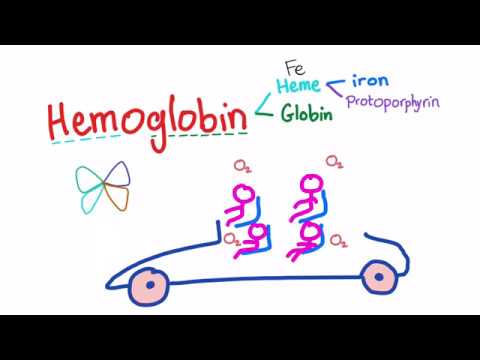
Hemoglobin itself is made up of four protein subunits, and any changes in their structure can lead to issues. Let me break it down for you:
- Sickle Cell Disease: This is probably the most famous hemoglobinopathy. The abnormal shape of red blood cells causes them to block blood flow, leading to pain crises and organ damage.
- Thalassemia: In this condition, the body doesn’t produce enough healthy hemoglobin. Patients can suffer from anemia, fatigue, and even growth issues in children.
- Amyloidosis: Here, abnormal proteins build up in tissues and organs. It can be particularly sneaky because it might start with symptoms like fatigue or swelling, becoming serious over time.
Now, these structural problems come from mutations in the genes responsible for producing hemoglobin. Imagine playing a video game where you need specific pieces to complete a level; if one piece is missing or shaped incorrectly, it messes up the whole game.
The impact on behavior can be surprising too! For instance, people with sickle cell disease often experience chronic pain which may lead to anxiety or depression. This connection illustrates how our physical health links directly to our emotional well-being.
Another example is young kids with thalassemia—they may need frequent blood transfusions which can make them feel different from their peers. Think about how a child might feel missing out on games because they’re always at the hospital; that emotional weight can be heavy.
Understanding these conditions isn’t just about learning terms but recognizing their human side. Support systems become crucial—whether through family, friends, or support groups—helping individuals navigate both medical challenges and emotional struggles.
It’s important to remember that my thoughts here aren’t a replacement for professional advice or treatment! If you or someone close to you is dealing with any related health issues, reaching out for help is always a good idea. After all, being aware is the first step toward managing any condition effectively!
Understanding Sickle Cell Disease: The Most Common Inherited Hemoglobinopathy and Its Impact on Patients
Sickle Cell Disease is one of those terms that can sound pretty heavy, but let’s break it down. At its core, this condition involves something called hemoglobin, which is the protein in your red blood cells that carries oxygen around your body.
When you have sickle cell disease, your body makes a different type of hemoglobin, known as **hemoglobin S**. This version doesn’t work quite right. Instead of being flexible and round, like a donut, the red blood cells become rigid and shaped like a crescent moon or «sickle.» You can imagine how that might mess things up.
Here are some key points to think about:
- Genetic Basis: Sickle cell disease is inherited from your parents. If both parents carry the sickle cell trait, there’s a 25% chance their child will have the disease.
- Symptoms: Patients often deal with intense pain crises due to blockages in blood flow. You know how frustrating it can be when you’re stuck on a game level? Imagine that pain lasting for hours or even days!
- Anemia: Because sickle cells die off faster than normal ones (which live for about 120 days), people with this disease experience anemia—a constant feeling of tiredness.
- Complications: Beyond pain and anemia, complications can include infections or stroke caused by clots blocking blood flow to the brain.
- Treatment:b> While there’s no universal cure yet, treatments like hydroxyurea can help reduce symptoms and complications. Blood transfusions might also be necessary sometimes.
The impact on patients isn’t just physical; it’s emotional too. Many people face anxiety over unpredictable crises or struggles with chronic pain. It’s like being trapped in an endless cycle where you can’t control when the next flare-up will happen.
Speaking of control—imagine playing a video game where every time you thought you were safe, a surprise boss battle jumped out! That’s kind of what living with this condition feels like at times.
In the end, understanding sickle cell disease means recognizing its complexities and appreciating the resilience of those who live with it every day. Education is key here! If you suspect you or someone close to you may have symptoms related to this condition or any other health concerns, don’t hesitate to reach out to healthcare professionals—they’re there to help!
So yeah, while sickle cell disease can be daunting, knowing more about it gives us all better insight into its challenges and how we might support friends or family living with it. Remember though—this info isn’t a replacement for professional advice; always consult with a doctor for guidance tailored to your needs!
Understanding the Two Main Hemoglobin Disorders: Sickle Cell Disease and Thalassemia
Well, let’s chat about hemoglobin disorders, specifically sickle cell disease and thalassemia. Both of these conditions fall under a category known as hemoglobinopathies, which are essentially genetic disorders that mess around with how hemoglobin works in your body. So, what’s the deal with each one? Let’s break it down.
Sickle Cell Disease is probably the more well-known of the two. It happens when your body produces an abnormal type of hemoglobin called hemoglobin S. Instead of the normal, smooth red blood cells, you end up with crescent-shaped cells, kind of like a sickle—hence the name. These odd-shaped cells can get stuck in small blood vessels and block blood flow, which leads to pain and other complications.
- Pain Crises: You might feel intense pain episodes called crises due to those blocked blood vessels.
- Infections: Sickled cells can damage your spleen over time, making you more susceptible to infections.
- Anemia: Because sickle cells die quicker than normal ones (about 10-20 days instead of 120), you can end up with anemia.
Now for Thalassemia. This one’s a bit different since it’s not just about the shape of hemoglobin but also how much is produced. There are two main types: alpha and beta thalassemia. Basically, one or both types of globin chains that make up normal hemoglobin aren’t produced enough.
- Alpha Thalassemia: This happens when there is a problem with the production of alpha globin chains.
- Beta Thalassemia: This affects beta globin chains instead and can lead to various severities—from mild symptoms to major complications.
Do you remember playing games where you had to collect tokens or power-ups? Think of thalassemia like trying to collect enough tokens but having some missing from your stash. It means your red blood cells don’t have all they need to function optimally.
Both disorders are inherited, meaning if one parent has it (or carries it), there’s a chance their child might inherit the condition too. Genetic testing and counseling are often recommended if there’s a family history involved.
So what should you do if you or someone you care about is affected by these disorders? Well, it’s crucial to talk to healthcare professionals who specialize in hematology; they’ll know how best to handle treatment options that might include blood transfusions, medications like hydroxyurea for sickle cell disease, or even bone marrow transplants in severe cases.
In any case, support groups can really help those living with these conditions connect and share experiences. If something like this hits home for you or someone close, reaching out for professional help makes all the difference!
In summary: while sickle cell disease and thalassemia both impact hemoglobin but in different ways—one warps its shape while the other limits its production—they can seriously affect quality of life. Understanding them better gives us better ways to support ourselves and each other!
Alright, let’s chat about hemoglobinopathy. It sounds pretty intense, doesn’t it? But really, it’s just a fancy term for genetic disorders that mess with the way hemoglobin—the stuff in your blood that carries oxygen—is structured.
You know, when I think about blood disorders like this, I can’t help but remember my friend Mia. She had this rare condition called sickle cell disease and she talked about how it affected her day-to-day life. Imagine going out to enjoy your favorite activities and suddenly feeling exhausted or in pain just because your body couldn’t deliver oxygen properly! That really made me appreciate how something as tiny as a gene mutation can have such a big impact on a person.
Basically, hemoglobin is like the delivery truck for oxygen in our bodies. You’ve got different types of hemoglobin: normal hemoglobin (let’s call it HbA) and then there are variations like HbS (which causes sickle cell disease) and HbC (which can lead to other issues). The mutations create different shapes or forms of hemoglobin. With sickle cell the hemoglobins can clump together and form these crescent shapes—which is where the name comes from! And when those funky-shaped cells travel through blood vessels, they tend to block up the flow leading to all sorts of problems.
It’s kind of wild when you think about it—each person has their own set of genes passed down from their family that shapes who they are. But sometimes those genes throw us curveballs. People with these disorders often face battles not just physically but also emotionally—there’s this constant worry about managing symptoms and potential complications.
And here’s where it gets even trickier: some folks might not even know they carry these gene variants until they face symptoms or have family members who do. It sparks conversations about screening and awareness too, especially in communities more prone to certain types of these disorders.
Talking about hemoglobinopathies opens up a larger world of genetic health. There are advancements happening every day with treatments being researched—like gene therapy options that could one day fix these genetic issues at their source! Isn’t that something? Just imagine being able to change somebody’s health story for good.
So yeah, while hemoglobinopathy might sound heavy-duty, at its core it’s really all about understanding our bodies better—and acknowledging that we’re all dealing with our unique struggles in one way or another.