Hey, you! Have you ever felt like life was throwing everything at you all at once? Like, seriously? You wake up and it’s chaos—work stress, family drama, and then out of nowhere, your phone rings with more news.
Este blog ofrece contenido únicamente con fines informativos, educativos y de reflexión. La información publicada no constituye consejo médico, psicológico ni psiquiátrico, y no sustituye la evaluación, el diagnóstico, el tratamiento ni la orientación individual de un profesional debidamente acreditado. Si crees que puedes estar atravesando un problema psicológico o de salud, consulta cuanto antes con un profesional certificado antes de tomar cualquier decisión importante sobre tu bienestar. No te automediques ni inicies, suspendas o modifiques medicamentos, terapias o tratamientos por tu cuenta. Aunque intentamos que la información sea útil y precisa, no garantizamos que esté completa, actualizada o que sea adecuada. El uso de este contenido es bajo tu propia responsabilidad y su lectura no crea una relación profesional, clínica ni terapéutica con el autor o con este sitio web.
It can feel heavy sometimes, right? But here’s the thing: facing all that mess can actually teach us a lot. Seriously! There’s this book called “Full Catastrophe Living” that dives into how we can embrace life’s wild challenges instead of running from them.
It’s kinda like learning how to dance in the rain instead of waiting for the storm to pass. So let’s chat about why leaning into the chaos might just be the best thing you do for yourself! Sound good?
Examining the Secularity of ‘Full Catastrophe Living’: A Psychological Perspective
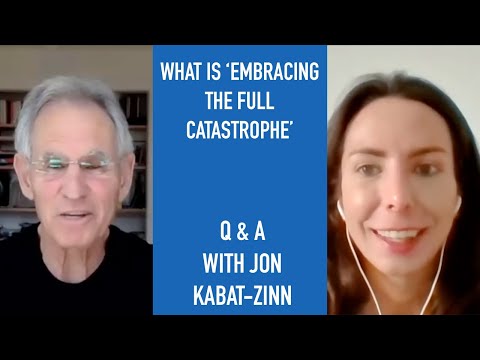
Full Catastrophe Living, a book by Jon Kabat-Zinn, dives into mindfulness and how to navigate the crazy ups and downs of life. It’s pretty much about embracing everything—good, bad, and everything in between. But you know what? There’s a big element of secularity here that deserves a closer look. Let’s break it down.
The essence of this book is about mindfulness practices. Mindfulness isn’t tied to any particular religion; instead, it takes bits and pieces from different traditions. It focuses on being present and fully engaging with the moment, no matter how chaotic life gets. This practice is rooted in secular principles, which means it’s accessible to everyone—regardless of their spiritual beliefs.
One key idea in Full Catastrophe Living is that life’s challenges are part of being human. Think about it like this: you’re playing your favorite video game, right? Sometimes you face a tough boss or tricky level. You can either get frustrated or figure out a strategy. Mindfulness helps you handle those frustrating moments without losing your cool.
Now, let’s talk about some important points regarding its secularity:
- No religious strings attached: The practices in the book are based on scientific research rather than dogma.
- Universal appeal: Mindfulness speaks to people from all walks of life—it doesn’t matter if you’re religious or not.
- Focus on personal experience: It encourages self-reflection and understanding your feelings without external judgment.
- Enhancing mental health: By adopting these mindfulness techniques, many find relief from stress and anxiety without needing spiritual frameworks.
It’s kind of like when you’re dealing with a tough day at work or school. Remember that time when stress piled up and it felt like everything was going wrong? Maybe you flipped out for a second but then found your breath or took a walk outside? That’s mindfully dealing with stress—just like Kabat-Zinn suggests!
While Full Catastrophe Living offers some awesome tools for navigating life, let’s not forget an important aspect: it doesn’t replace professional help. If things get too heavy to manage alone, reaching out for support isn’t just okay—it’s necessary!
So yeah, this whole approach puts power back into your hands! You learn to ride the waves instead of getting knocked over by them. And honestly? That feels pretty empowering.
To wrap things up, Full Catastrophe Living is about embracing every part of existence without attaching any specific religious beliefs to the practice itself. Even though it’s deeply rooted in mindfulness—which has ties to Buddhist teachings—the way Kabat-Zinn presents it takes away any barriers; making it super relatable for everyone living through their own personal catastrophes!
Just remember: whatever challenges come up in life—there’s always a way through them!
Understanding the Duration of the MBSR Program: How Long Does It Last?
So, you’re curious about the duration of the Mindfulness-Based Stress Reduction (MBSR) program, huh? You’re definitely not alone. MBSR is all about embracing life’s challenges—kind of like how you would tackle a tough level in a video game. Let’s break it down!
First off, the MBSR program typically lasts **eight weeks**. It’s structured so that you meet once a week for about two to three hours. Each session is packed with practices designed to deepen your understanding of mindfulness and how to handle stress.
Here’s what you’ll usually find in an MBSR program:
- Weekly Classes: As I mentioned, the main part happens during those eight weekly sessions. They’re interactive and often include guided meditations.
- Daily Practices: You’ll also be encouraged to practice mindfulness at home for around 30 to 45 minutes each day. Yep, this is like grinding through those side quests in your favorite game.
- A Day of Mindfulness: Most programs include an all-day session, often held on a weekend. This immersive experience can really help cement what you’ve learned over the weeks.
Now, let’s talk about *why* this duration is set up like this. The eight-week format allows enough time for you to build skills gradually without overwhelming yourself. Think of it as leveling up your character—each week introduces new challenges and techniques that prepare you for tougher battles ahead.
You know what? It isn’t just about attending classes; it’s also about engaging with mindfulness in your daily life. Like when you’re playing games and need to strategize based on what just happened? Same thing here: reacting mindfully instead of impulsively makes a big difference.
That said, it’s crucial to remember that MBSR isn’t a one-size-fits-all solution or a substitute for professional help if you’re facing serious issues like anxiety or depression. If things feel heavy or overwhelming—even after completing the program—it might be worth reaching out to a therapist or counselor.
So there you have it! A detailed look at how long MBSR lasts and why that duration matters. Just think of the journey as one where you grab tools along the way that help you tackle life’s challenges more effectively!
Summary of Full Catastrophe Living: Embracing Life’s Challenges and Enhancing Resilience
Full Catastrophe Living is a pretty fascinating book by Jon Kabat-Zinn. It’s all about mindfulness and how you can use it to tackle life’s ups and downs. You might be thinking, “Mindfulness? Isn’t that just sitting quietly and meditating?” Well, it’s much more than that. Let’s break it down.
The Mind-Body Connection
One of the core ideas in the book is how your thoughts and emotions are linked to your physical health. Seriously, if you’re stressed out, it affects your body too! Think about it: when you’re nervous before a big game, your heart races, right? Kabat-Zinn emphasizes that understanding this connection can help you deal better with stress and anxiety.
Mindfulness-Based Stress Reduction (MBSR)
Kabat-Zinn created something called MBSR, which focuses on becoming aware of your thoughts and feelings without judgment. Imagine you’re playing a video game—let’s say, Mario Kart. You have to pay attention to what’s happening on the track while also being aware of your surroundings. MBSR teaches you to do something similar but with your mind!
- Present Moment Awareness: Recognizing what’s going on around you right now.
- Accepting Emotions: Instead of pushing away feelings like stress or sadness, you learn to observe them without judgment.
- Coping with Pain: It’s not always about eliminating pain; sometimes it’s about learning how to cope with it better.
Embracing Life’s Challenges
Life can throw curveballs at us all the time—like getting stuck in traffic or facing a tough project at work. The thing is, instead of getting overwhelmed by everything that feels chaotic or negative (a full catastrophe!), Kabat-Zinn encourages you to embrace those moments.
Think about challenges like mini-bosses in a game; each one helps build your skills and makes you stronger as you level up through life. If you can learn from difficult experiences rather than avoid them, you’ll find yourself becoming more resilient over time.
The Practice of Mindfulness
Practicing mindfulness isn’t something you’d master overnight; it’s more like training for a marathon. Here are some techniques he suggests:
- Breathe: Focus on your breath—deep breathing helps calm those jitters.
- Meditation: Carve out time daily for meditation practices; they can be as short as five minutes!
- Cognitive Restructuring: This involves changing negative thought patterns into positive ones.
For example, say you’re freaking out about an upcoming exam—you could shift that panic into motivation by reminding yourself how much you’ve studied.
Your Journey Toward Resilience
The book really highlights resilience as something we can cultivate over time through awareness and acceptance. It’s not just about bouncing back after tough times but also learning how to navigate challenges smoothly.
So picture this: you’re trying to beat that last level in a tough game. Instead of rage quitting when things go wrong (we’ve all been there!), you take a step back, analyze what went wrong, and try again with fresh eyes. That’s kind of what Kabat-Zinn is getting at—embracing the «full catastrophe» proves essential for growth!
In wrapping this up (not really concluding it), I hope this gives you a sense of what Full Catastrophe Living is all about—not just theories but practical ways to tackle life head-on! Remember though: while these insights provide great tools for enhancing resilience, they don’t replace professional help when needed. So take care of yourself out there!
You know, life can be a bit of a rollercoaster sometimes, right? One minute you’re soaring high, and the next, well, you’re facing a steep drop. Speaking of life’s ups and downs, have you ever heard about that idea of “Full Catastrophe Living”? It’s all about embracing the messiness and challenges.
I remember this one time when I thought I had everything figured out. I was cruising along in my job, relationships were good—life felt manageable. Then boom! My job got downsized overnight. I thought it was the end of the world. Seriously! It felt like I was stuck in quicksand; the more I struggled to get out, the deeper I sank. But here’s where it gets interesting: that messy situation taught me more about myself than any easy ride could’ve.
So what is this “Full Catastrophe Living” thing? It kind of comes from Jon Kabat-Zinn’s work with mindfulness and stress reduction. At its core, it’s recognizing that life isn’t always beautiful; it can be chaotic and painful too. Instead of avoiding those tough moments or pretending they don’t exist (which let’s be honest, never works), you learn to be present with them—like seriously soaking them in.
When you embrace life’s challenges instead of running away from them, it opens up a whole new perspective. Imagine standing in the rain instead of seeking shelter all the time—that’s what it’s like! You start to feel things deeply; both pain and joy become part of your rich tapestry.
There’s beauty in vulnerability, right? You begin to realize that embracing chaos doesn’t mean you’ll have all the answers or that things will magically get easier—far from it! But it does mean you’re equipped to handle whatever life throws at you with a little more grace.
And here’s a thought: if we never faced challenges or discomforts, how would we ever grow? Think about those moments when you faced obstacles head-on; didn’t they shape who you are today? Like getting knocked down but then finding your feet again—it builds resilience.
So yeah, “Full Catastrophe Living” isn’t just some fancy phrase. It’s about allowing yourself to experience life’s highs and lows fully without judgment or avoidance. If we just sit still and let experiences wash over us—that’s where growth happens!
Life might not be perfect but maybe that’s okay because really embracing all its chaos could lead to something beautiful—you with me? It’s all part of being human; messy yet wonderfully complex!


