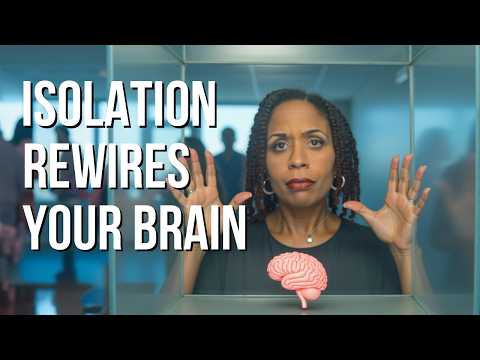
Hey! So, let’s chat about something we all experience at some point: loneliness.
Este blog ofrece contenido únicamente con fines informativos, educativos y de reflexión. La información publicada no constituye consejo médico, psicológico ni psiquiátrico, y no sustituye la evaluación, el diagnóstico, el tratamiento ni la orientación individual de un profesional debidamente acreditado. Si crees que puedes estar atravesando un problema psicológico o de salud, consulta cuanto antes con un profesional certificado antes de tomar cualquier decisión importante sobre tu bienestar. No te automediques ni inicies, suspendas o modifiques medicamentos, terapias o tratamientos por tu cuenta. Aunque intentamos que la información sea útil y precisa, no garantizamos que esté completa, actualizada o que sea adecuada. El uso de este contenido es bajo tu propia responsabilidad y su lectura no crea una relación profesional, clínica ni terapéutica con el autor o con este sitio web.
You know, that feeling when you’re surrounded by people but still feel kinda empty inside? Yeah, that’s a tough one.
It’s like being in a crowded room and still feeling like nobody sees you. Ugh, right?
Loneliness can be sneaky, creeping in when you least expect it. And guess what? It often hangs out with depression.
But here’s the thing: understanding it can be the first step to breaking free from that isolation.
So grab your favorite drink and let’s get into this together!
Understanding the Negative Effects of Social Isolation: Psychological Impacts and Consequences
Social isolation can really take a toll on your mental health. It’s like being stuck in a dark room with no way out, right? You might think you’re okay, but after a while, the effects can creep up on you. Let’s take a closer look at how this works and what it means for your mind.
What is Social Isolation?
It’s basically when you feel disconnected from others or don’t have enough social interactions. Picture this: you’re spending Saturday night binge-watching shows on your couch alone instead of hanging out with friends. It might feel cozy at first, but over time, that loneliness can turn into something heavier.
Feeling Lonely
Loneliness isn’t just about being alone; it’s that feeling of not having meaningful connections. When you feel isolated, your brain can start to produce stress hormones like cortisol. This can lead to feelings of sadness and anxiety. You know how sometimes in games when characters face off against huge bosses? Imagine dealing with those emotions without any backup team—it’s tough!
Psychological Impacts
So what exactly happens to your mind? Here are some key points:
- Increased Risk of Depression: Isolation is one of the major triggers for depression. It’s like being in a cycle—you feel lonely, which makes you more depressed, which makes you want to isolate more.
- Anxiety Levels Rise: The longer you’re isolated, the more anxious you become about social situations. Think about trying to level up in a game but constantly fearing you’ll fail.
- Cognitive Decline: Being cut off from people can affect how your brain works! You might find it harder to concentrate or remember things—like forgetting the last time you played that fun game.
- Poor Physical Health: Believe it or not, mental health is linked to your physical wellbeing too! Isolation can lead to bad habits like overeating or not exercising—kind of like sitting too long during a gaming session without taking breaks!
The Consequences
The consequences of prolonged social isolation are real and can be serious:
- Shelled Up Personality: You might find yourself pushing people away or becoming less trusting after extended periods alone.
- Addiction to Escape: Some people turn to distractions—video games or binge-watching shows—maybe as an escape from reality.
- Diminished Life Satisfaction: Overall happiness tends to drop since human connection is part of what makes life enjoyable!
Anecdote Time!: I remember when my buddy Mike moved across the country for work. At first, he was super excited about starting fresh. But after a few months without hanging out with old friends, he started feeling sad and anxious. He became obsessed with online gaming because it filled the void—even though it didn’t quite replace real friendships.
So yeah, if you’re feeling isolated or noticing changes in your mood lately—you’re not alone! Reaching out for support is absolutely vital here. Remember though: it’s totally important to seek professional help if you’ve been struggling badly; talking things through can be such a relief!
All in all, staying connected matters—a lot! Try checking in with someone today; sometimes just saying “hi” can make all the difference!
Understanding the Effects of Social Isolation on Mental Health: A Comprehensive PDF Guide
Sure thing! Here’s a take on the topic you mentioned.
—
Being socially isolated can hit hard, especially when it comes to our mental health. It’s like being in a game where the only player is yourself— and that can be pretty tough! Let’s break down how this isolation impacts feelings of loneliness and depression.
Feeling Lonely
When you’re alone for long stretches, feelings of loneliness creep in, and it’s not just an annoying itch; it can turn into deep emotional pain. Think about it: Ever played a game where your character is all alone in a vast world? You know how empty that feels? That emptiness resonates with what many experience during periods of isolation.
Isolation Effects
Here are some chilling effects that social isolation can have on your mental well-being:
- Increased Depression: When you’re by yourself, negative thoughts can spiral out of control. You might start thinking no one cares or that you’re not worth it.
- Anxiety Surges: Being isolated may lead to heightened anxiety levels. Suddenly every little thing feels like a huge deal—like stepping out of your comfort zone to battle a boss level in a video game.
- Lower Self-Esteem: Constant solitude can make you doubt your worth. You start believing the only person who should care about you is…well, you.
- Poor Sleep Quality: Isolation often messes with sleep patterns—leading to insomnia or restless nights. It’s like losing health points without any real reason!
- Physical Health Risks: Studies show prolonged isolation isn’t just bad for your head; it’s bad for your body too! Heart issues, weakened immune systems, you name it.
The Role of Connection
You’ve probably heard the saying “no man is an island.” Well, turns out that’s true! Connecting with others plays a vital role in combating those feelings of loneliness and depression. Engaging with friends or family (even virtually) lifts spirits and provides needed emotional support.
Remember playing multiplayer games? That rush when teaming up with friends makes the challenges easier to face. Real-life connections work similarly!
Anecdote Time
Let me share something personal—a friend once told me how their life seemed gray after losing touch with their old buddies post-college. They felt trapped inside their own bubble. But once they decided to join some local clubs (yes, even those nerdy ones), things began shifting positively for them. It wasn’t immediate sunshine and rainbows but small steps made all the difference!
If You’re Struggling
Feeling overwhelmed? Look, seeking help really isn’t something to be ashamed of—think of it as leveling up in life! Therapists or counseling services are there to help navigate through those stormy seas when social connections aren’t enough.
So remember, while this chat brings light on feeling lonely and its impact on depression, it’s always best to reach out for professional help if needed.
Stay connected, be kind to yourself, and don’t hesitate to make those crucial connections!
—
Hope that resonates well while keeping everything informative yet approachable!
Understanding the Impact of Social Isolation on Mental Health Outcomes
The connection between social isolation and mental health is serious, you know? People often overlook how profound loneliness can affect us. Feeling alone doesn’t just suck, it can lead to some pretty heavy mental health issues like depression and anxiety. Here’s the lowdown.
Social Isolation Defined
When we talk about social isolation, we mean feeling cut off from others. You could be surrounded by people but still feel totally alone. Like when you’re in a crowded room staring at your phone instead of chatting with anyone. This disconnect creates a heavy emotional weight over time.
Effects on Mental Health
The impact of being isolated can mess with your head in several ways:
- Increased feelings of sadness: When you’re alone for long stretches, it’s easy to spiral into depression.
- Anxiety spikes: Social situations may become daunting, so you start avoiding them more.
- Lack of motivation: You might find it hard to get up and do things because what’s the point if there’s nobody around?
- Lower self-esteem: Constantly feeling lonely can chip away at your self-worth; you start thinking there’s something wrong with you.
So yeah, the more isolated you feel, the worse these feelings get.
Anecdote Time
A friend of mine once told me about a rough patch they went through. They were working from home and slowly stopped calling everyone. What started as enjoying a quiet space turned into too much quiet! They felt an itch to connect but didn’t reach out, thinking people wouldn’t care or be busy. Eventually, they found themselves stuck in a dark place, just spiraling deeper into sadness. Honestly, it took some serious heart-to-heart talks with friends to pull them out of that funk. Just goes to show how vital those connections are!
The Brain’s Response
Your brain doesn’t take kindly to isolation either. Research shows that it basically starts hitting the panic button when you’re alone for too long. Stress hormones rise, making everything feel harder—like climbing a mountain with weights on your back! There are even studies suggesting that prolonged isolation changes brain chemistry over time.
Coping Mechanisms
So if you’re feeling this way or know someone who is, remember there are ways to combat those feelings:
- Create small goals: Even just texting someone or going for a walk can help break the cycle.
- Pursue hobbies: Get into games or activities that bring joy—seriously! Even solo gaming can lighten your mood.
- Reach out: It feels tough sometimes but don’t hesitate! Friends want to hear from you; they care more than you think!
- Consider professional help: If things get heavy and stick around too long, talking to someone trained can really make a difference.
All in all, social isolation is no joke and staying connected matters more than ever! Don’t let those dark thoughts creep in without reaching out first. Remember: you’re never truly alone; there’s always someone ready to lend an ear or share some laughs—so go ahead and grab that phone!
You know, feeling lonely is a real kick in the gut sometimes. I mean, we live in a world where it seems like everyone is connected 24/7. All those flashy social media posts can make it feel like you’re the only one without a bustling squad or something exciting happening in your life. But here’s the thing: loneliness doesn’t care how many friends you have or how many likes your posts get. It sneaks up on you, especially when depression decides to crash the party.
I remember a time when I felt completely alone, even in a room full of people. I was at this gathering with friends, and while everyone was laughing and chatting, I felt like I was stuck in some transparent bubble. It was weird; my heart felt heavy, and I just wanted to disappear. You’d think being around people would help lift my spirits, right? But instead, it made that isolation feel even more profound. That’s what depression does—it magnifies loneliness until you can hardly see anything else.
And here’s where it gets really interesting (or sad). When you’re feeling low, it’s tough to reach out for help or connect with others because your mind gets all wonky. You may think things like «Why would they want to hang out with me?» or «I’m just going to drag them down.» So instead of reaching out, you might curl up on the couch with some ice cream and binge-watch shows—because that feels safer than facing the big wide world outside.
But just as much as loneliness has its claws dug into our hearts during tough times, there are ways to see beyond that foggy isolation. Sometimes it just takes one small step—like texting a friend or even writing down your feelings—to remind yourself that you’re not invisible. Seriously! You’re not alone in this struggle; plenty of folks are fighting similar battles.
The cool thing is that acknowledging loneliness can be the first step toward connecting again—either with friends or maybe even new interests that spark joy. And yeah, life isn’t always rainbows and sunshine; sometimes it feels heavy and dark, but know this: you’ve got every right to reach for help when things get tough.
So next time those feelings of isolation creep in on you—or hey if they’re already lurking around—just remember: you’re part of something bigger than just your own thoughts. Striking up conversations isn’t easy but trust me when I say they’re worth it!


