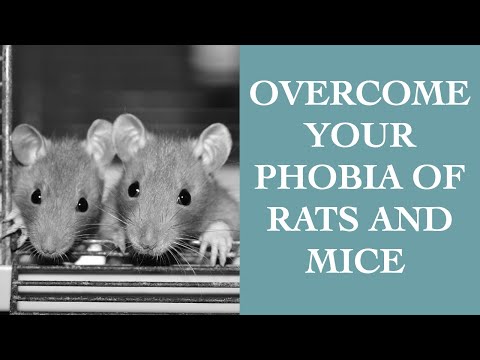
Hey you! Let’s talk about a little creature that can send shivers down the spines of even the bravest souls: mice. Seriously, I mean, what is it with those tiny, squeaky furballs that freak people out?
Este blog ofrece contenido únicamente con fines informativos, educativos y de reflexión. La información publicada no constituye consejo médico, psicológico ni psiquiátrico, y no sustituye la evaluación, el diagnóstico, el tratamiento ni la orientación individual de un profesional debidamente acreditado. Si crees que puedes estar atravesando un problema psicológico o de salud, consulta cuanto antes con un profesional certificado antes de tomar cualquier decisión importante sobre tu bienestar. No te automediques ni inicies, suspendas o modifiques medicamentos, terapias o tratamientos por tu cuenta. Aunque intentamos que la información sea útil y precisa, no garantizamos que esté completa, actualizada o que sea adecuada. El uso de este contenido es bajo tu propia responsabilidad y su lectura no crea una relación profesional, clínica ni terapéutica con el autor o con este sitio web.
I remember this one time, I was chilling at my friend’s place when suddenly—BAM! A mouse darted across the floor. You should’ve seen us. It was chaos! We were hopping on furniture like we were auditioning for some wild reality show.
So, what’s behind this fear of mice? Is it their twitchy noses or those beady eyes? Or maybe it’s just one of those weird quirks of our brains? Either way, if you’re feeling anxious just thinking about them, you’re not alone.
Let’s figure out what causes this fear and how we can tackle it together. Sound good? Alright, let’s roll!
Understanding the Triggers of Musophobia: Psychological Factors and Responses
Fear of mice, or musophobia, can be a real challenge for some people. It’s not just about squeaky little rodents scurrying around; there’s a lot more going on under the surface. Let’s break it down and see what triggers this fear and how you might approach overcoming it.
Psychological Triggers
First, you gotta consider where this fear might come from. For many, it begins in childhood. Maybe you saw a mouse pop out of nowhere during a camping trip or watched a movie where mice were scary. Those experiences can stick with you! Even if they seem small, they plant a seed of fear.
Here are some common psychological factors:
- Negative Experiences: A bad encounter with a mouse can leave lasting impressions.
- Cultural Influences: Movies and stories often portray mice as pests or symbols of dirtiness.
- Anxiety Disorders: If you’re already prone to anxiety, that fear can amplify your response to other things.
- Learnt Behaviors: Sometimes it’s picked up from family members who also fear mice.
Picture this: You’re playing your favorite video game, maybe something like *Resident Evil*. Suddenly, a rat pops out from behind the crates. Your heart races! That little moment? It echoes real-life worries and feelings.
Bodily Responses
When faced with their phobia, many people experience intense physical reactions. This fight-or-flight response kicks in—your body prepares to react like it’s facing danger. Here are some typical responses:
- Trembling: Your hands shake as you see the critter.
- It feels like your heart is trying to escape your chest!
- Panic Attacks: You might feel dizzy or short of breath in bigger encounters.
Let’s say you’re at home alone, and suddenly there’s that dreaded “squeak.” You jump; adrenaline rushes through your veins. In that moment, logic flies out the window—you’re just reacting.
Coping Strategies
Now that we know what fuels this fear let’s chat about ways to deal with it—not that I’m saying this replaces talking with someone trained for deeper issues!
Here are some approaches to help:
- Gradual Exposure: Start by looking at pictures of mice. Then watch videos before maybe even visiting a pet store.
- Meditation: Learn simple breathing techniques to calm those nerves when you’re feeling panicky.
- Cognitive Behavioral Therapy (CBT): This profession helps reframe those anxious thoughts into something manageable.
A friend once told me how she was terrified of mice until she took a class on wildlife rehabilitation. She was forced to handle them gently! After her exposure therapy, what used to send her screaming now felt like an exciting learning experience.
So yeah! Musophobia can come from all sorts of places; understanding those triggers is key! Whether it’s tackling it yourself or getting help from pros who know their stuff—there are always ways through it. Just remember though: every small step counts on the journey toward feeling more in control!
Understanding the Fear of Mice and Its Impact on Sleep Quality
Alright, let’s talk about that little critter that can send shivers down your spine: mice! For some folks, just the thought of these tiny creatures is enough to make them feel uneasy. This fear, often known as musophobia, can really mess with your sleep quality. You know what I mean? Imagine trying to catch some Z’s but stressing over a mouse showing up. It’s not ideal.
The roots of this fear vary from person to person. Sometimes it’s a childhood experience—a scary encounter or hearing horror stories about mice. Other times, it’s the fear of diseases they carry or just the fact that they’re unpredictable little nibblers! But whatever the cause is, it can bubble up during the night, especially when you’re already feeling vulnerable while trying to fall asleep.
- Palpitations and Anxiety: As you lay there in bed, every little sound might feel amplified. You might hear something rustling and instantly think it’s a mouse. Your heart races, and suddenly you’ve gone from sleepyhead to detective mode!
- Sleep Disruption: This fear can lead to trouble falling asleep or staying asleep. If you’re constantly worried about an intruder in your personal space, how are you supposed to drift off?
- Dread Before Bed: Just thinking about bedtime might stir those feelings up again—like an endless loop of anxiety that hits every evening.
Let’s not sugarcoat it; this fear can seriously impact how well you sleep for sure! One night might be fine but then bam! The next night your mind goes into overdrive thinking about what could happen if a little mouse gets into your room.
You know what? Some people like using exposure therapy, where they slowly confront their fears in safe ways—like looking at pictures of mice or even watching videos of them in action (yikes!). It’s a step-by-step process that helps ease those feelings over time.
A little story: my friend had this huge fear of mice after seeing one scurry across her kitchen floor as a kid. Every time she heard a noise at night, she’d lie wide awake imagining what could be lurking around her apartment. After working with someone to gradually expose herself to her fear through pictures and even brushing up on how cute they can be (who knew?), she eventually found some peace—enough to finally sleep without paranoia!
If confronting these fears seems like too much for you right now, don’t stress! Techniques such as mindfulness and breathing exercises can help calm those racing thoughts before bed. And seriously, if you’re finding yourself really struggling with this fear or how it’s affecting your life and sleep? Talking with a professional could be super helpful.
The bottom line? Your fear is valid; sleep matters just as much. So whether you decide on exposure therapy or simply want to practice relaxation techniques before bed, finding what’s right for you is key!
Effective Strategies to Overcome Your Fear of Rats
Fear of rats, or muriphobia as it’s sometimes called, is actually super common. You’re not alone if the mere thought of these little critters sends chills down your spine. Understanding the roots of your fear can help you tackle it head-on.
So, what exactly fuels this fear? Well, it often stems from a mix of personal experiences and cultural influences. Maybe you had a scary encounter as a kid, or perhaps those horror movies about rats got under your skin. The thing is, most fears are learned behaviors; they develop over time, and can sometimes feel totally irrational.
- Acknowledge Your Fear: The first step is recognizing that your fear is valid. It’s okay to be scared! Accepting this can actually empower you to face it.
- Educate Yourself: Learn about rats! Sounds silly, huh? But knowing more about their behavior and biology can demystify them. For example, did you know that many types of rats are social creatures? They have their families just like we do!
- Gradual Exposure: This one’s key. Start small—maybe look at pictures or watch videos of rats. Gradually move on to observing them from a distance in real life, like at a pet store. Remember to breathe deeply and remind yourself that they typically want nothing to do with you.
- Avoid Negative Thoughts: When those pesky negative thoughts pop up—like imagining a rat crawling up your leg—try to challenge them! Replace those thoughts with something more positive or realistic.
- Visualization Techniques: Picture yourself in a situation where you’re near a rat but feeling calm and in control. Imagine it being just another animal—nothing scary at all!
- Talk About It: Sometimes, sharing your fears with friends or family helps lighten the load! They might even share their own fears and coping strategies.
You’ve probably heard that old saying: “face your fears.” It’s true—the more you confront what scares you, the less powerful it becomes. Just think about playing video games where your character has to face enemies—it’s nerve-wracking at first but gets easier with each level!
If these strategies don’t help and your fear feels overwhelming—like seriously impacting your daily life—it may be worth talking to someone who knows their stuff about phobias and anxiety disorders. A therapist can provide tailored support that goes beyond self-help techniques.
Remember: breathe, take small steps, and be patient with yourself! Overcoming a fear takes time; nobody’s expecting you to cuddle up with a rat right away (or ever!).
No matter how difficult things feel now, things can improve little by little if you’re willing to try out these strategies!
You know, fears can be super weird sometimes. Like, I remember when I was a kid and saw a mouse scurry across my kitchen floor. My heart raced, and I think I might’ve jumped onto the nearest chair! It’s funny now, but back then, it felt like my whole world was ending. That’s the thing about fear—it can take something totally normal and make it seem like a monster hiding under your bed.
So why do so many people have this crazy fear of mice? Well, for starters, it might be rooted in our instincts. Mice are small and fast, which makes them unpredictable. When something surprises you, your brain hits that panic button—fight or flight mode kicks in! Plus, for some folks, it might be tied to learned experiences or even stories from childhood. Ever had that one friend who freaks out at the mere mention of rodents? Their reaction can stick with you.
But don’t worry if you’re one of those people who get jumpy at the sight of a little furry creature; you’re definitely not alone! The reality is that overcoming this fear is totally possible. One way is through exposure—slowly getting used to the idea of being near mice without freaking out. You could start by watching cute videos online (seriously, some are adorable!). Over time, that initial panic might give way to curiosity or even empathy.
Another route could be talking to someone about it—a friend who isn’t squeamish or maybe even a therapist who gets where you’re coming from. Sometimes just sharing your fears helps lighten the load!
And hey, remember that not all mice are out to get you! They’re just trying to live their tiny little lives like we all are. So next time you hear that little skittering sound behind the wall or spot one racing by in a park, take a deep breath and remind yourself: it’s just a mouse—not worth losing your cool over!
All in all, overcoming a fear takes time and patience. Just like how I slowly learned to appreciate those furry little creatures instead of running away screaming! You with me?