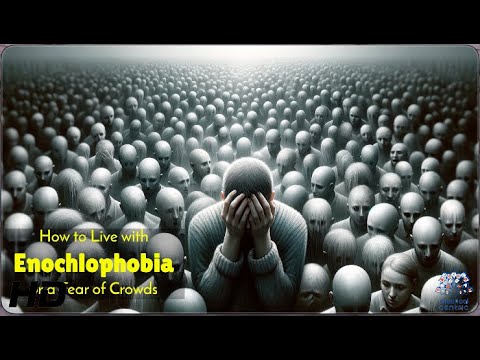
Hey, you! Let’s talk about something that many people feel but hardly ever admit—fear of crowded places.
Este blog ofrece contenido únicamente con fines informativos, educativos y de reflexión. La información publicada no constituye consejo médico, psicológico ni psiquiátrico, y no sustituye la evaluación, el diagnóstico, el tratamiento ni la orientación individual de un profesional debidamente acreditado. Si crees que puedes estar atravesando un problema psicológico o de salud, consulta cuanto antes con un profesional certificado antes de tomar cualquier decisión importante sobre tu bienestar. No te automediques ni inicies, suspendas o modifiques medicamentos, terapias o tratamientos por tu cuenta. Aunque intentamos que la información sea útil y precisa, no garantizamos que esté completa, actualizada o que sea adecuada. El uso de este contenido es bajo tu propia responsabilidad y su lectura no crea una relación profesional, clínica ni terapéutica con el autor o con este sitio web.
It’s that anxiety that creeps in when you’re in a packed subway or at a buzzing concert. You know, the way your heart races and your palms get all sweaty?
Honestly, it can be super intense! And I get it; who wants to feel trapped in a sea of people?
So, what causes this fear anyway? There are some pretty interesting reasons behind it. And don’t worry, if this sounds like you, there are ways to cope.
Stick around! We’re going to unpack all of this together.
Understanding Enochlophobia: Causes, Symptoms, and Coping Strategies
Do you ever feel that rush of anxiety when you’re around a lot of people? That tightness in your chest? Well, you might be dealing with something called enochlophobia, which is just a fancy term for the fear of crowded places. Let’s break this down!
What Causes Enochlophobia?
There’s no one-size-fits-all answer here. The origins can vary from person to person, but some common causes include:
- Past Experiences: Sometimes, a bad experience in a crowd can lead to this fear. Imagine being stuck in a packed concert and feeling utterly trapped.
- Anxiety Disorders: If you’re already prone to anxiety or panic attacks, crowded spaces might amplify those feelings.
- Genetics: It turns out that our brains have a way of inheriting fears. If someone close to you has similar fears, there’s a chance you might too.
Symptoms to Watch For
If you think enochlophobia might be your thing, here are some signs to look out for:
- Panic Attacks: You could feel dizzy or even start sweating if you’re in a crowded area.
- Avoidance Behavior: You might find yourself skipping social events just because they involve too many people.
- Nervous Thoughts: Worrying constantly about being in crowds often adds fuel to the fire.
A friend of mine once told me she skipped out on a friend’s wedding because she couldn’t handle the thought of being surrounded by hundreds of guests. Can you imagine missing out on something so special just because of fear?
Coping Strategies
Alright, so what can you do if you’re feeling overwhelmed by this fear? Here are some strategies that might help:
- Breathe Deeply: Practice deep breathing exercises before entering crowded spaces. This can help calm your nerves and give you control over your anxiety.
- Gradual Exposure: Try exposing yourself slowly. Start with smaller gatherings and gradually work up to larger events. It’s like leveling up in a video game; small wins lead you toward conquering bigger challenges!
- Talking it Out: Find someone who gets it—whether it’s friends, family, or even support groups. Sharing your feelings makes them less scary!
Remember, while these strategies may ease the discomfort you feel around crowds, they’re not substitutes for professional help. If your fear feels insurmountable or leads to significant distress in daily life, reaching out to a therapist can offer real support.
So there you go! Enochlophobia isn’t uncommon and recognizing it is the first step towards managing it effectively—just take things one crowd at a time!
How to Pronounce Enochlophobia: A Clear Guide to the Term and Its Meaning
So, let’s talk about enochlophobia, which is just a fancy term for the fear of crowded places. Seriously, it can feel a bit overwhelming when you’re in a packed area with people everywhere. You might feel your heart racing or even want to bolt out of there!
The pronunciation can trip people up, but it’s actually pretty straightforward: you say it like «eh-NOK-loh-foh-bee-ah.» Just break it down into those syllables, and you’ll nail it!
This fear can stem from various factors. Some of the more common causes include:
- Past Experiences: Maybe you had a panic attack in a crowd before; that’s enough to make anyone wary.
- Fear of Losing Control: Crowds can feel unpredictable and chaotic, leading to anxiety.
- Social Anxiety: If you struggle with social situations in general, crowded places can amplify that discomfort.
Coping strategies are essential if you or someone you know deals with enochlophobia. Here are some ways to manage that anxiety when faced with crowds:
- Breathing Exercises: Seriously; deep breaths can calm your nerves. Try inhaling deeply for four seconds, holding for four, and exhaling for four.
- Gradual Exposure: Start by going to smaller gatherings before tackling bigger crowds. Baby steps are key!
- Telling Someone: Don’t keep it bottled up! Chatting with friends or family about how you’re feeling can lighten the load.
You know what else helps? Thinking about something like playing video games. Picture yourself navigating through a busy virtual world. You have control over your character despite the chaos around them—it’s all about how you approach it! Transferring that mindset to real-life situations might give you the confidence boost you need.
This isn’t meant to replace professional help though! If enochlophobia affects your daily life, talking to a therapist or counselor can be super beneficial—they’ve got tools and techniques tailored just for this stuff.
In the end, understanding what enochlophobia is and what causes it is half the battle. You’re not alone in feeling this way; many people share similar struggles. Remember to be kind to yourself as you cope with these feelings and find your own personal strategies!
Understanding Agoraphobia: Overcoming the Fear of Crowds
Agoraphobia can be a tough nut to crack, but understanding it is the first step toward feeling better. Basically, it’s an intense fear of situations where escape might be difficult or help unavailable. Think crowded places, open spaces, or even being alone outside your home. Pretty overwhelming, right?
Now, let’s get into the causes. There isn’t just one reason someone might develop agoraphobia. It can stem from various factors:
- Genetics: Sometimes it runs in families. If someone close to you has anxiety issues, your chances might be a bit higher.
- Life events: Traumatic experiences like losing a loved one or going through a major life change can trigger these feelings.
- Anxiety disorders: A history of panic attacks often goes hand-in-hand with agoraphobia. It’s that “fear of fear” cycle.
You know what? It can feel like being trapped in your own mind and body. Take Sarah, for example. She used to love going to concerts and bustling cafes until she had a panic attack in the middle of a crowd. Now, just thinking about those places sends her heart racing.
If you’re dealing with this kind of fear, it’s key to have some coping strategies in your back pocket:
- Gradual exposure: This means slowly getting used to the situations that scare you. You could start by stepping out onto your balcony before hitting the mall.
- Breathe deep: Simple breathing exercises when anxiety strikes can really help calm those racing thoughts.
- Talk it out: Whether it’s with friends or through therapy, chatting about your fears can lighten that mental load.
A cool technique is called cognitive-behavioral therapy (CBT). Basically, it helps you challenge negative thoughts associated with crowds and makes them less scary over time. Think of it like leveling up in a game—you practice until those crowds feel less like bosses you can’t defeat!
I gotta stress something important here: while these strategies are helpful, they don’t replace professional help if necessary! If you’re feeling stuck or overwhelmed (like Sarah), reaching out to a therapist could be life-changing.
In the end, overcoming agoraphobia isn’t just about facing crowds; it’s about reclaiming your freedom and enjoying life again—even if that means starting small!
Crowded places can feel like a scene from a horror movie for some folks. Seriously, the thought of being surrounded by so many people can send shivers down your spine. I remember a time when I went to this huge concert with a couple of friends. The excitement hit me first, but then, as we squeezed into the crowd, panic set in like that unwanted third wheel at a party. My heart raced and my breath quickened. Ever felt that?
So, what causes this fear of crowded spaces? Well, it’s often linked to anxiety or even past experiences that felt overwhelming. Maybe you’ve found yourself in a tight spot—literally—and it didn’t end well. For some people, it’s the loss of control that comes with being surrounded by others; you might feel trapped without an easy way out if things get too intense.
Then there are those cognitive distortions that play tricks on our minds. You start imagining all sorts of «what if» scenarios: what if someone bumps into you? What if you can’t find your friends? The brain can be such a drama queen sometimes! It’s like watching a horror flick where everything gets exaggerated.
Now, about coping strategies… one thing that’s helped me is grounding techniques. When I start feeling overwhelmed, I focus on my breathing—inhale deeply through the nose and exhale slowly through the mouth. It sounds simple but hey—sometimes we just need to remind ourselves we’re alive and safe!
You could also try visualization; picture yourself in a calm place instead of all those people around you. Some folks find carrying a small object to hold onto helps too—you know, something to keep your hands busy when anxiety creeps in.
But the most important thing? Take baby steps! If crowded places make life feel like an obstacle course, try exposing yourself gradually. Start with small gatherings and build up to larger crowds at your pace.
All in all, fear doesn’t have to rule our lives. With self-compassion and patience—wow those two go hand-in-hand—you can navigate through crowded spaces more comfortably over time! Just remember; you’re definitely not alone in this journey!