Hey you! Have you ever felt like you just don’t quite fit in the box people try to stuff you into? I get it.
The Enneagram of Personality could be your new best friend. Seriously, it’s this cool system that breaks down nine different personality types.
Este blog ofrece contenido únicamente con fines informativos, educativos y de reflexión. La información publicada no constituye consejo médico, psicológico ni psiquiátrico, y no sustituye la evaluación, el diagnóstico, el tratamiento ni la orientación individual de un profesional debidamente acreditado. Si crees que puedes estar atravesando un problema psicológico o de salud, consulta cuanto antes con un profesional certificado antes de tomar cualquier decisión importante sobre tu bienestar. No te automediques ni inicies, suspendas o modifiques medicamentos, terapias o tratamientos por tu cuenta. Aunque intentamos que la información sea útil y precisa, no garantizamos que esté completa, actualizada o que sea adecuada. El uso de este contenido es bajo tu propia responsabilidad y su lectura no crea una relación profesional, clínica ni terapéutica con el autor o con este sitio web.
Each one has its unique quirks and traits that tell us a lot about how we tick. Imagine knowing what makes you—and your friends—tick. Pretty awesome, right?
So let’s take a peek at these types together. You might just discover some unexpected insights about yourself or someone close to you!
Understanding the Enneagram Test: A Guide to Personality Typing and Self-Discovery
The Enneagram test is a fascinating way to explore your personality. It breaks down into nine distinct types, each with its own unique traits and motivations. Seriously, it’s like peeling back layers of an onion to discover what makes you tick!
What are the Nine Types?
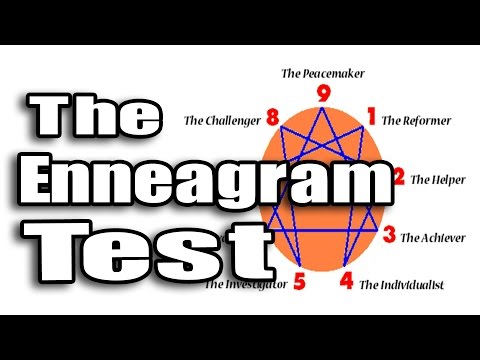
Each type in the Enneagram has its own characteristics, strengths, and weaknesses. Here’s a quick rundown:
- Type 1: The Reformer – These folks are all about integrity and improvement. They strive for perfection and can be pretty hard on themselves.
- Type 2: The Helper – Caring and generous, Type Twos love to support others, sometimes at the expense of their own needs.
- Type 3: The Achiever – Ambitious and success-oriented, Threes excel at making things happen, but can struggle with being authentic.
- Type 4: The Individualist – Creative and sensitive, they crave identity and often feel different from others.
- Type 5: The Investigator – Knowledgeable and insightful, Fives like to immerse themselves in information but may withdraw from social interactions.
- Type 6: The Loyalist – Sixes are reliable and responsible but can be anxious or indecisive when faced with uncertainty.
- Type 7: The Enthusiast – Playful and spontaneous, Sevens seek adventure but might avoid difficult emotions.
- Type 8: The Challenger – Bold and assertive, Eights are natural leaders who don’t shy away from conflict. They can be fierce protectors of their loved ones.
- Type 9: The Peacemaker – Easygoing and accommodating, Nines prefer harmony but can struggle with inertia or complacency.
Take a moment to think about where you might fit in. Maybe you see yourself in multiple types—that’s totally normal! People often exhibit traits from different categories based on life experiences.
Anecdote Time!
I remember chatting with a friend who thought they were just an average Joe until they took the Enneagram test. Turns out they were a Type Four! They felt so seen when they realized their sensitivity and creativity weren’t just quirks; it was part of a broader personality type! That little “aha” moment sparked a beautiful journey of self-discovery.
The Benefits of Knowing Your Type
Understanding your Enneagram type can be enlightening for several reasons:
- You get insights into your behavior patterns—like why you react in certain ways during conflicts or stress.
- This knowledge helps improve relationships by allowing you to understand others’ perspectives better.
- You gain tools for personal growth by recognizing your blind spots and triggers!
- Your career choices can also benefit. For instance, if you’re a natural leader (like an Eight), you may thrive in management roles!
But here’s the catch—remember that knowing your type doesn’t fix everything. Life is complicated! So approach this as one tool among many for self-exploration.
Cautionary Notes:
While diving into the world of Enneagrams is exciting—it’s essential not to use it as a crutch or as a way to label yourself permanently. You’re more than just one number! This shouldn’t replace professional help if you’re facing deeper issues.
So there you have it—the Enneagram isn’t just another personality quiz; it’s like having a roadmap for understanding yourself better. Who wouldn’t want that? Give it a go! Just keep an open mind about what you discover—you might find something wonderful waiting inside.
Discovering the Enneagram: Explore Personality Types and Their Unique Traits with Our Comprehensive Test
The Enneagram is super fascinating when it comes to understanding personality types. You might have come across this term before, or maybe you heard your friends talk about it at some point. Either way, let’s break it down!
First off, the Enneagram consists of **nine distinct personality types**. Each of these types has their own unique traits and motivations that influence how they see the world and interact with others.
- Type 1: The Reformer – This type tends to be very principled and organized. They’re often seen as perfectionists who strive for order and ethics.
- Type 2: The Helper – These folks are caring and supportive. They thrive on being needed by others and often put others’ needs before their own.
- Type 3: The Achiever – Ambitious and image-conscious, Achievers are success-driven. They want to be the best at whatever they do.
- Type 4: The Individualist – Creative and introspective, Individualists love exploring their feelings. They’re often seen as unique or different from others.
- Type 5: The Investigator – Think of them as the deeply curious seekers of information. They love to know how things work but may struggle with emotional connections.
- Type 6: The Loyalist – These personalities value security and loyalty. They often seek support from their communities.
- Type 7: The Enthusiast – Full of zest for life, Enthusiasts are spontaneous adventurers who crave new experiences.
- Type 8: The Challenger – Strong-willed and assertive, Challengers seek control over their environment and value independence.
- Type 9: The Peacemaker – These individuals are easy-going people who prioritize harmony in their surroundings. They dislike conflict.
Now, you might be wondering which type resonates with you most? Well, there are various tests available that can help you discover that! These tests typically ask you a series of questions about your habits, preferences, and feelings.
Finding out your Enneagram type can be like looking in a mirror—sometimes revealing parts of yourself that you didn’t even realize were there! For instance, when I took the test a while back, I was surprised to discover I’m a Type 4—the creative individualist! Suddenly, it made sense why I always felt more connected to art than small talk.
However, while exploring your personality can provide great insights into your behavior patterns or relationships, remember this doesn’t replace professional help if you’re dealing with something heavier. It’s just another tool for self-reflection!
Understanding your type isn’t just about knowing yourself better; it’s also about appreciating the diversity around you. When you recognize what drives other people—whether they’re Type 1 reformers or Type 8 challengers—you may find more compassion in your interactions.
So next time you’re chatting with friends or family, consider their potential Enneagram types! It opens up a whole new level of conversation about what makes each person tick.
In essence, exploring the Enneagram can lead to deeper relationships with yourself and those around you—a journey worth taking!
Understanding Enneagram Personality Types: Key Traits and Characteristics Explained
Alright, let’s chat about the Enneagram. You might have heard of it—it’s this pretty cool system that categorizes people into nine different personality types. Each type has its own quirks, strengths, and challenges. So, if you’ve ever wondered why you click with some folks while others drive you nuts, this might help.
The Enneagram is set up like a circle with nine points, and each point represents a different personality type. Understanding these can give you insight into your own behavior and those around you. You know what? It’s like having a cheat sheet for relationships!
- Type One: The Reformer – These guys are all about principles and doing what’s right. They can be perfectionists but are also great at organizing chaos. Imagine someone who meticulously arranges their bookshelves—every title in order!
- Type Two: The Helper – Twos are caring and intuitive; they love helping others but sometimes forget to help themselves. Picture a gamer who always takes on the healer role in online games—they thrive on supporting their friends.
- Type Three: The Achiever – Threes are super driven and like to win! They often want to be the best at whatever they do. Think of that friend who always has their eye on the high score in every game; they hate losing!
- Type Four: The Individualist – Fours pride themselves on being unique and creative. They can dive deep into their emotions, which makes them great artists or musicians but sometimes leads to feeling misunderstood.
- Type Five: The Investigator – Fives are curious and analytical folks who love knowledge. They can be introverted and need time alone to recharge—like when you’re just chilling at home instead of going out.
- Type Six: The Loyalist – Sixes are highly dependable but often filled with anxiety about safety or security. They’re like your friend who always double-checks plans; they want everything to go smoothly!
- Type Seven: The Enthusiast – Sevens crave adventure and fun! They have spontaneous energy that keeps things lively but can struggle with staying focused on one thing for too long.
- Type Eight: The Challenger – Eights are assertive leaders who value strength and independence. Picture that person in your group who’s always ready to take charge during a big decision—they hate feeling controlled.
- Type Nine: The Peacemaker – Nines seek harmony in all things but might avoid conflict at any cost. They’re like glue holding everyone together, though they sometimes lose sight of their own desires.
The cool thing is these types aren’t set in stone—you can blend characteristics from different types based on your experiences or situations you find yourself in. Like maybe you’re mostly a Two but pull some Three traits when it’s crunch time at work.
This isn’t some magic trick that will solve all life’s problems—really! It doesn’t substitute professional help if you’re dealing with serious mental health stuff or anything like that; think of it more as insight into the ways we interact with each other versus an end-all solution.
If you’re curious about which type resonates most with you… there are tons of online quizzes! But remember—these should be just starting points for self-discovery rather than definitive labels. So give it a try; you might learn something new about yourself (or maybe even why your friend is so obsessed with being right!).
The Enneagram is really just one tool among many to better understand yourself—and hopefully those around you too!
You know, the Enneagram of Personality is pretty intriguing. I mean, it’s this amazing model that breaks down personality into nine different types. Each type has its own quirks and traits, and honestly, it feels like a fun way to get to know yourself and others better.
So, the Enneagram is basically a circle with nine points on it. Each point represents a different personality type, ranging from The Reformer to The Peacemaker. And here’s where it gets interesting—these types aren’t just random labels; they really speak to our motivations and fears.
For example, picture this: I once met someone who was a classic Type Two—the Helper. They were always trying to make sure everyone around them felt loved and supported. But sometimes they totally forgot about their own needs! It made me think about how our strengths can also become our weaknesses if we’re not careful.
Anyway, some people really resonate with their Enneagram type. Like Type Sevens—the Enthusiasts—who are all about adventure and living life to the fullest. But they can also struggle with commitment because there’s always something new calling their name! It’s like they can’t sit still for too long without getting antsy.
And then you have Type Fives—the Investigators—who dive deep into knowledge but might feel isolated or overwhelmed by emotions at times. Imagine being so engrossed in your thoughts that you lose touch with the world around you; I mean it can be exciting but lonely too!
But here’s the kicker: understanding these types isn’t about boxing people in or labeling them for good. It’s more like opening a window into their inner workings, right? Once you understand where someone is coming from (like why they react a certain way), communication can become so much smoother.
All in all, the Enneagram offers this colorful way to explore human behavior and interpersonal dynamics. It encourages empathy and acceptance since we all have different gears turning inside us. Whether you’re curious about your own type or just want to understand your friends better, it’s a great jumping-off point for some real conversations!
So yeah, if you ever get the chance to look into it more deeply, I’d say go for it! You might find that understanding these unique traits adds another layer of richness to your relationships—kind of cool if you ask me!