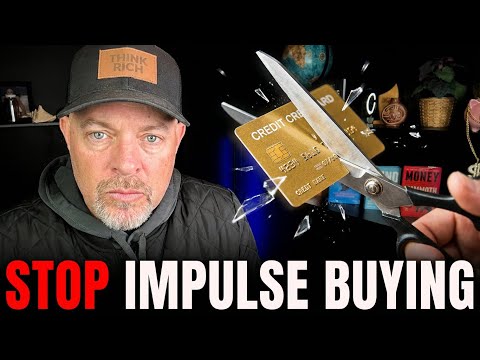
Hey! So, have you ever found yourself scrolling through your phone and suddenly buying something you totally didn’t need? Yeah, that’s a vibe many people know all too well. It’s like you get this rush, and before you know it, you’re waiting for that package to show up.
Este blog ofrece contenido únicamente con fines informativos, educativos y de reflexión. La información publicada no constituye consejo médico, psicológico ni psiquiátrico, y no sustituye la evaluación, el diagnóstico, el tratamiento ni la orientación individual de un profesional debidamente acreditado. Si crees que puedes estar atravesando un problema psicológico o de salud, consulta cuanto antes con un profesional certificado antes de tomar cualquier decisión importante sobre tu bienestar. No te automediques ni inicies, suspendas o modifiques medicamentos, terapias o tratamientos por tu cuenta. Aunque intentamos que la información sea útil y precisa, no garantizamos que esté completa, actualizada o que sea adecuada. El uso de este contenido es bajo tu propia responsabilidad y su lectura no crea una relación profesional, clínica ni terapéutica con el autor o con este sitio web.
But here’s the thing: when buying stuff turns into a must-have habit, it can really mess with your life. We’re talking about compulsive buying disorder here. Sounds heavy, but we’re gonna break it down together.
We’ll chat about what makes some folks go overboard on shopping, how to spot those tricky symptoms, and maybe even find some ways to take control. So buckle up; it’s going to be an interesting ride!
Effective Strategies to Overcome Dopamine Shopping Habits
Compulsive Buying Disorder can feel like an overwhelming wave, right? You see something shiny, and suddenly your brain’s got its foot on the gas pedal. That rush? It’s all about dopamine. This chemical is your brain’s way of giving you a little high when you do something enjoyable, like shopping. But let’s be real, it can sometimes turn into a problem.
### Understanding the Issue
Dopamine shopping habits might sound harmless at first—who doesn’t love a good retail therapy session? But when it becomes compulsive, it can lead to serious financial and emotional troubles. Maybe you’ve felt a sense of guilt after binge-buying stuff you didn’t even want. That’s part of the cycle!
#### Key Causes:
- Emotional Triggers: Stress, anxiety, or depression can prompt impulsive purchases.
- Social Influence: Seeing friends or influencers flaunt their latest buys might push you to spend.
- Financial Illiteracy: Not knowing how to manage money well can lead to reckless spending.
### Symptoms to Look Out For
You might want to pay attention if these sound familiar:
- Binge Purchases: Buying a bunch of things in one go without thinking.
- Hiding Purchases: Keeping your shopping habits secret from family and friends.
- Mood Swings: Feeling elated while shopping but crashing afterward.
If you’re nodding along but don’t know what to do next, check out some effective strategies for overcoming those pesky dopamine-fueled shopping habits:
### Effective Strategies
1. **Identify Your Triggers**: Keep a journal for a week. Write down when you feel compelled to shop and what emotions are driving that urge.
2. **Set Limits on Spending**: Create a specific budget for fun purchases each month. Stick to it! If you hit that limit, resist the urge until next month.
3. **Practice Mindfulness**: Before making any purchase, pause and ask yourself if it’s something you genuinely need or just an impulse buy.
4. **Unsubscribe from Temptation**: Unfollow social media accounts that trigger your desire to shop excessively. Less exposure means less temptation.
5. **Engage in Alternatives**: Find hobbies that give you similar joy without spending cash—like painting or hiking! You’ll get that dopamine rush in healthier ways.
6. **Seek Support**: Talk about your feelings around shopping with trusted friends or family members—just getting things off your chest can help lighten the load!
7. **Educate Yourself About Finances**: Learning how budgeting works is super empowering! There are loads of apps out there that’ll help keep track of expenses easily.
And hey, if things still feel out of control after trying these strategies, it might be time to chat with someone who knows their stuff—like a therapist specializing in compulsive buying disorder.
### Wrapping It Up
Dopamine shopping habits can sneak up on anyone; no judgment here if you’ve found yourself in this boat! But remember—it’s absolutely possible to take back control with some intentional steps and supportive people around you. Just take it one day at a time; you’re not alone in this journey!
Effective Therapies for Overcoming Compulsive Spending Issues
Compulsive spending can be a real struggle. You might feel on top of the world when you get that new gadget or trendy outfit. But then, it hits you: regret and anxiety kick in once the excitement fades. So, what’s going on here? Let’s break it down.
Compulsive Buying Disorder (CBD) isn’t just about a love for shopping; it’s often linked to deeper issues like depression or anxiety. People with CBD may even feel a rush when they make purchases—sort of like winning a level in a video game, where getting rewards feels euphoric! But, unlike completing quests in your favorite game, this cycle can lead to distressing consequences in real life.
### Causes
- Emotional Triggers: Many turn to shopping as an escape from sadness or stress. Kind of like how some people eat ice cream when they’re feeling blue.
- Social Influences: You know how social media shows everyone’s perfect life? This constant comparison can prompt impulsive buying to “keep up.”
- Low Self-esteem: Some folks think buying stuff will make them feel better about themselves.
### Symptoms
- Irrational Spending: Ever bought something you didn’t need but convinced yourself it was essential? That’s a red flag!
- Hiding Purchases: If you’re sneaking around trying to hide your shopping bags, that’s not cool.
- Financial Problems: If you’re racking up debt because of those shiny purchases, it’s time to rethink things.
Now let’s talk about moving forward! Here are some effective therapies that might help with compulsive spending:
### Solutions
- Cognitive Behavioral Therapy (CBT):This therapy helps in identifying negative thought patterns. Imagine playing a puzzle game: CBT helps you see the pieces that aren’t fitting and encourages finding new strategies.
- Support Groups:If talking about your struggles sounds good, support groups can be lifesavers. It’s like finding your guild in an MMORPG—you’re not alone!
- Meditation and Mindfulness:This approach encourages being present rather than getting lost in impulse buying fantasies. Think of it as pausing the game before making any big decisions!
- Financial Counseling:This isn’t just about crunching numbers; it’s like leveling up your money-management skills so you’re more confident navigating purchases.
So here’s the deal: tackling compulsive spending takes time and effort; just like mastering that complex video game level doesn’t happen overnight! You might find that combining different therapies works best for you.
Still, I want to stress something super important: **this information doesn’t replace professional help**. If you find yourself struggling deeply with compulsive spending, reaching out to mental health professionals is crucial. They can provide personalized guidance tailored specifically for you.
All in all, recognizing these patterns is half the battle won! Remember to take small steps toward change—you’ve got this!
Effective Treatment Options for Compulsive Buying Disorder: A Comprehensive Guide
Compulsive Buying Disorder (CBD) is a serious issue that many people deal with, sometimes without even realizing it. It’s like when you’re playing a game and find yourself pumping in more coins than you’d planned, just to have that next thrill. The thing is, this isn’t about getting the latest gadget; it can seriously mess with your life.
What Causes Compulsive Buying Disorder?
There are a few reasons someone might develop CBD. It could stem from:
- Emotional Triggers: Sometimes, people shop to cope with feelings of sadness or anxiety.
- Low Self-Esteem: Buying things might give a temporary boost in confidence.
- Cultural Factors: Living in consumer-driven societies can push people to buy more than they need.
Imagine you’ve had a rotten day at work. You swing by the mall and, wow, that new jacket makes you feel on top of the world! But then, what happens when the jacket loses its magic? You might find yourself buying even more stuff to chase that feeling.
Symptoms to Look Out For
You might be wondering if you or someone you know is affected by CBD. Here are some signs:
- Frequent Overspending: Do you often buy things you can’t afford?
- Binge Shopping: Is there a pattern of shopping sprees followed by guilt?
- Hiding Purchases: Are items stashed away because you’re embarrassed?
These symptoms can lead to financial trouble and strain relationships. It’s kind of like accidentally losing your save point in a video game—just frustrating!
Treatment Options for Compulsive Buying Disorder
If you or someone close is facing this challenge, there are ways to tackle it effectively.
- Cognitive Behavioral Therapy (CBT): This therapy helps change negative thought patterns around shopping.
- Support Groups: Connecting with others who understand can make a huge difference.
- Meditation and Mindfulness: These practices encourage being present and help reduce impulsive buying urges.
Think about it: CBT is like debugging a game—you identify what’s causing glitches and fix them. In group sessions, sharing stories feels like teaming up on co-op missions—you’re not alone on this journey.
Avoiding Temptation
Sometimes the best solution is just limiting exposure to triggers. Here’s how:
- Create a Budget: Setting limits helps keep spending in check.
- Avoid Online Shopping: If scrolling through sites tempts you, maybe take a break from that!
- Purge Your Home: Decluttering can not only help lessen temptation but also provide clarity.
Try thinking of your budget as setting up your character’s skills in-game—stronger skills mean better chances at success!
The Road Ahead
Dealing with Compulsive Buying Disorder isn’t easy—there’ll be ups and downs along the way. Remember though, seeking help from professionals isn’t just smart; it’s essential if you’re struggling.
So here’s the deal: it’s totally okay to seek assistance! Whether through therapy or support from friends and family, talking about what you’re going through can truly lighten the load.
In short? You don’t have to ride this rollercoaster alone. Take those first steps toward healthier habits—it’ll be worth it in the long run!
You know, compulsive buying disorder is one of those topics that often gets brushed aside. It’s easy to think of shopping as harmless fun, right? But for some people, it’s much deeper than that. Imagine a friend who gets a high from retail therapy, only to regret their choices later. It can spiral into stress and debt before you even realize what’s happening!
So, what causes this? Well, it can stem from emotional issues like anxiety or depression. Maybe someone is feeling low and thinks a new outfit will lift their spirits. You buy something nice, feel happy for a bit, but that joy fades away pretty quickly. The cycle just continues—shop, feel good for a moment, then crash back down. It’s like buying temporary happiness which just doesn’t last.
Then there are the symptoms! A person might feel an urge to buy things they don’t need or even hide purchases from family and friends. Have you seen something online that you just had to have? Now imagine doing that repeatedly and feeling guilty afterward. It’s emotionally exhausting!
In terms of solutions, it starts with awareness—realizing this is happening to you or someone you care about is huge! Talking about it with friends or even seeking professional help can really change the game. Cognitive-behavioral therapy (that’s just fancy talk for changing negative thinking patterns) has been shown to work well! Some folks have also found support groups helpful because they discover they’re not alone in this struggle.
But hey, if you ever find yourself needing a new pair of shoes and think maybe it’s more about how you’re feeling rather than your sense of style—take a beat! Sit with those emotions first before heading out for retail therapy. It could save you from having those “what was I thinking?” moments later on.
At the end of the day, we all want to feel fulfilled without relying on possessions to fill our emotional gaps. We’re so much more than what we buy! So let’s keep checking in with ourselves about why we spend what we do—your mental health will definitely thank you for it!

