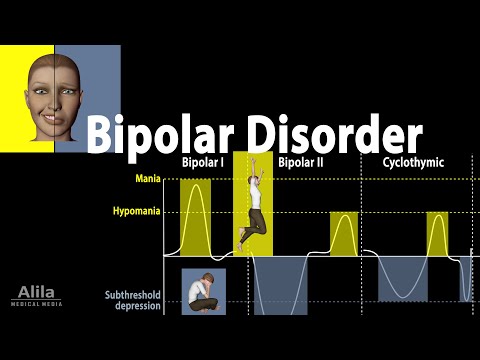
Hey there! So, let’s chat about something super important: bipolar disorder. You know, it can be really tricky to spot the warning signs.
Este blog ofrece contenido únicamente con fines informativos, educativos y de reflexión. La información publicada no constituye consejo médico, psicológico ni psiquiátrico, y no sustituye la evaluación, el diagnóstico, el tratamiento ni la orientación individual de un profesional debidamente acreditado. Si crees que puedes estar atravesando un problema psicológico o de salud, consulta cuanto antes con un profesional certificado antes de tomar cualquier decisión importante sobre tu bienestar. No te automediques ni inicies, suspendas o modifiques medicamentos, terapias o tratamientos por tu cuenta. Aunque intentamos que la información sea útil y precisa, no garantizamos que esté completa, actualizada o que sea adecuada. El uso de este contenido es bajo tu propia responsabilidad y su lectura no crea una relación profesional, clínica ni terapéutica con el autor o con este sitio web.
I mean, one minute you’re on top of the world, feeling invincible, and the next? Everything crashes and burns. It’s a wild ride!
Anyway, recognizing those early signs can seriously make a difference. It’s like having a roadmap for your emotions. And trust me, catching them early is key for everything to get better.
So, grab a comfy seat and let’s look at what these warning signs might be. Believe me, you don’t want to miss this!
Understanding the 48-Hour Rule for Managing Bipolar Disorder: Guidelines and Insights
Bipolar disorder can feel like a rollercoaster, right? You’ve got those extreme ups (mania) and downs (depression), which can really take a toll on your life. Now, one important concept to keep in mind is the **48-Hour Rule**. It’s all about recognizing those early warning signs of manic or depressive episodes so you can take action before things get out of hand.
So, let’s break it down! The idea behind the 48-Hour Rule is simple: when you notice changes in your mood, energy levels, or behavior that last more than two days, it’s time to pay attention. These shifts could signal that you’re heading toward a manic or depressive phase.
- Monitoring your mood: Keep an eye on how you’re feeling day-to-day. Sudden changes from feeling really energetic to suddenly being super low could be a red flag.
- Track changes in behavior: If you’re suddenly super social when you usually prefer to be alone or if you’re neglecting responsibilities, it’s crucial to take note.
- Physical symptoms: Changes like trouble sleeping, increased irritability, or racing thoughts might also indicate that something’s off for more than 48 hours.
Here’s an example: Think of it like playing your favorite video game. Imagine you’re on level 3 and everything’s going smoothly. But then, without warning, the game glitches for two days straight – your character moves too fast and hits walls everywhere! You need to pause and figure out what’s wrong before moving ahead or facing a total game over.
Recognizing these early signs is key because it opens up the opportunity for intervention. Maybe it’s time to reach out to someone you trust or even connect with your therapist again.
Now let’s chat about some strategies for using the **48-Hour Rule** effectively:
- Journaling: Write down how you’re feeling daily. This gives you something to look back on when things seem shaky.
- Set alerts: Use reminders on your phone for checking in with yourself regularly. A little nudge here and there can make a big difference!
- Talk it out: Don’t hesitate to discuss any changes with close friends or family members; they might pick up on things even before you do.
But remember: while this rule can be super helpful as a guideline, it’s not a substitute for professional help. If things feel overwhelming or unmanageable—even after identifying early signs—reaching out to a healthcare provider is always smart.
In short, being aware of how you’re feeling and recognizing when things start sliding off course is vital in managing bipolar disorder effectively. Just think of the **48-Hour Rule** as your personal radar system designed for catching those emotional shifts before they become full-blown episodes!
So I guess what I want you to take away here is that understanding these patterns helps empower both yourself and those around you. Stay aware, stay connected—consider it your secret weapon against bipolar challenges!
Identifying the First Red Flag of Bipolar Disorder: Key Signs to Recognize Early
So, let’s chat about something that really matters: recognizing those early warning signs of bipolar disorder. It can be super tricky because these shifts in mood often fly under the radar or get brushed off. The sooner you spot those red flags, the better chance there is for early intervention and support.
Bipolar disorder isn’t just about feeling happy or sad—it’s more like a roller coaster of emotions, ranging from high-energy mania to deep lows of depression. You might not even realize what’s going on at first. But here are some key signs to watch for:
- Extreme Mood Swings: One minute you’re flying high, full of energy and ideas; the next, you’re down in the dumps. If these shifts feel way more intense than typical ups and downs, pay attention.
- Increased Activity Levels: During manic phases, people often feel like they can conquer the world—think late-night gaming marathons or taking on projects that seem impossible!
- Racing Thoughts: Your brain feels like it’s on fast-forward. You might jump from one thought to another without finishing any. It’s like trying to read multiple comic books at once.
- Irritability and Agitation: If someone is unusually irritable, even over small things, it’s a sign that something deeper might be happening.
- Sleep Changes: This could mean sleeping a lot more than usual or hardly sleeping at all but still feeling energized—like pulling an all-nighter in your favorite game but not crashing afterward!
- Poor Decision Making: When you’re in a manic phase, decision-making can take a nosedive. Think spending sprees or risky behavior—like betting your entire game collection on a single match.
Let me tell you—a friend of mine went through this roller coaster firsthand. At first, she was just incredibly ambitious about her job and started painting like crazy at night without feeling tired. It was thrilling! But soon enough, she crashed hard. She felt hopeless and couldn’t even get out of bed some days. Catching those early signs really mattered for her well-being.
Now remember: spotting these signs doesn’t mean someone has bipolar disorder—it could be something else going on too. And hey—you can’t diagnose anyone (or yourself!) based only on this stuff! Seeking help from professionals is crucial if you notice these behaviors persisting.
Keeping an eye out for these early warnings can make all the difference in someone’s life journey with bipolar disorder; it opens up pathways for conversations and support from loved ones—and that’s powerful stuff! So stay aware and encourage open dialogues; they can lead to understanding and help when it’s needed most!
Understanding Bipolar Disorder Symptoms in Females: Key Indicators and Insights
Bipolar disorder can be a tough nut to crack, especially when it comes to spotting the signs, particularly in females. Understanding these symptoms is crucial because early intervention can make a world of difference. So, let’s break it down together.
Firstly, bipolar disorder is characterized by extreme mood swings that go beyond just having good or bad days. You’re looking at manic episodes, where someone might feel super energetic or euphoric, and then they can swing into depressive episodes, where everything feels heavy and hopeless.
Here are some key indicators of bipolar disorder symptoms in females:
- Manic Episodes: These are marked by high energy levels. You might feel on top of the world. Think about the excited feeling of being at a concert where your favorite band is playing – except it lasts for days! During this time, impulsivity often kicks in. This could mean spending sprees or making risky decisions.
- Depressive Episodes: Picture feeling like you’ve just completed a level in your favorite game but instead of feeling accomplished, you’re just drained and want to hit pause forever. Females may experience increased sadness, fatigue, or loss of interest in things they usually loved.
- Mood Fluctuations: The thing about bipolar disorder is that these mood swings aren’t predictable. One minute you’re up, and the next you’re down. This inconsistency can be incredibly hard for those around you to cope with and might even lead to relationship problems.
- Cognitive Changes: You may find yourself struggling with focus during depressive periods—like trying to play a video game but constantly getting distracted you feel like you’re losing lives on purpose! Memory issues can also pop up, making simple tasks feel overwhelming.
- Sleep Patterns: Some women experience insomnia during manic phases while others may feel like they could sleep for ages when they’re down in the dumps. It’s like switching from an exciting adventure game to one that feels endless and boring.
Now here’s where it gets a bit tricky: many women show different symptoms than men. They tend to experience more rapid cycling between moods—like switching levels quickly without warning! Plus, females might have co-occurring conditions such as anxiety or eating disorders which complicates things further.
A personal anecdote here—my friend Sarah was diagnosed with bipolar disorder after years of confusion about her mood swings. She’d have weeks where she felt invincible—taking on new projects like crazy—followed by long stretches where even getting out of bed felt monumental. Once she learned more about her condition and started treatment, everything slowly improved for her.
But—and this is super important—you don’t have to go through this alone! If you suspect that someone close to you (or even yourself) could be showing these signs, reaching out for professional help is essential. Mental health professionals can provide guidance tailored specifically for each individual’s needs.
In summary, being aware of these key indicators can help pave the way for early intervention and better management of the condition. Remember though: understanding the symptoms is just one piece of the puzzle; professional advice should always be sought when needed!
You know, recognizing the warning signs of bipolar disorder can be a bit tricky. It’s not like there’s a big flashing neon sign that says, “Hey! You’ve got bipolar!” Yet, these signs can be crucial for early intervention and really making a difference in someone’s life.
Think about it: one minute you’re feeling on top of the world, maybe you’re getting stuff done like a superstar. The next moment? You might feel like you’re in this deep pit you can’t climb out of. It’s like riding a roller coaster where every drop feels more intense than the last. I had a friend once who dealt with this—one week, he was full of energy, taking on new projects left and right. Then, just as quickly, he’d shut down and not answer texts for days. I remember worrying about him late at night when no one seemed to see those drastic changes.
So what are some of these warning signs? Well, during manic episodes, someone might exhibit increased energy or irritability; they could be super talkative or even reckless. It almost feels contagious when they’re buzzing with excitement—like you can’t help but get swept up in it! But then there’s that swift descent into depression: feelings of hopelessness come crashing down, and suddenly everything feels heavy.
And why does it matter to catch these early? Because timely intervention can really change the game! Early treatment can help manage episodes before they spiral out of control and cause chaos in life—relationships suffer, work gets tough…you know how it goes. Getting ahead of it means better coping strategies are developed and maintaining relationships becomes possible again.
But here’s the kicker: sometimes people don’t recognize these shifts in themselves or even in their loved ones right away. It takes time and lots of love to notice patterns without jumping to conclusions or trying to “fix” things too quickly. So if you ever feel like something is off with yourself or someone close to you—even if you’re not sure what—it might just be worth checking in.
All in all, being aware helps pave the way for compassion rather than fear. Those ups and downs? They don’t define who we are; they’re simply part of our story—a story that deserves support and understanding rather than judgment. So keep an eye out for those shifts; your caring might just make all the difference!