Hey! So, let’s chat about something that can really shake things up: bipolar manic episodes. You know, those times when you feel like you’re on top of the world or, maybe a bit too much?
Este blog ofrece contenido únicamente con fines informativos, educativos y de reflexión. La información publicada no constituye consejo médico, psicológico ni psiquiátrico, y no sustituye la evaluación, el diagnóstico, el tratamiento ni la orientación individual de un profesional debidamente acreditado. Si crees que puedes estar atravesando un problema psicológico o de salud, consulta cuanto antes con un profesional certificado antes de tomar cualquier decisión importante sobre tu bienestar. No te automediques ni inicies, suspendas o modifiques medicamentos, terapias o tratamientos por tu cuenta. Aunque intentamos que la información sea útil y precisa, no garantizamos que esté completa, actualizada o que sea adecuada. El uso de este contenido es bajo tu propia responsabilidad y su lectura no crea una relación profesional, clínica ni terapéutica con el autor o con este sitio web.
It’s a wild ride, honestly. One minute, you’re flying high with all this energy, and the next… well, it can get a little overwhelming.
You’ll see people bouncing off the walls and having these crazy ideas that seem super exciting. But then there’s another side to it that can be pretty tough to deal with.
So, if you’ve ever wondered what all this manic business is about—like what symptoms pop up and what effects they have—stick around! Let’s break it down together in a way that actually makes sense.
Understanding Manic Episode Symptoms: Key Signs and Indicators
Bipolar disorder can be a wild ride, especially when you hit a manic episode. It’s like stepping into a whole new game level where everything is cranked up to eleven. But what exactly are the symptoms? Let’s break it down.
1. Elevated Mood
Imagine being on a sugar high, but it’s not just about feeling happy; it’s an extreme sense of euphoria that can feel almost unreal. You might feel on top of the world, like you can do anything and everything.
2. Increased Energy
You know those nights when you’re gaming and just can’t seem to stop? That’s kind of what this feels like, but way more intense! You may find yourself full of energy, ready to conquer tasks at lightning speed—sometimes too fast for your own good.
3. Racing Thoughts
Get ready for your brain to go on hyperdrive! Your thoughts might jump from one idea to another so quickly that it feels like trying to catch fireflies in the dark: fun but chaotic.
4. Decreased Need for Sleep
Remember those times when you stayed up way too late playing video games? Now imagine doing that for days and not feeling tired at all. During a manic episode, you might only need a few hours of sleep—or none at all!
5. Impulsivity and Risk-Taking
Ever made a wild decision in a game without thinking? In real life, this can lead to risky behavior, like spending sprees or making questionable choices that could have serious consequences.
6. Irritability or Agitation
Even though things might seem super fun at first, emotions can switch rapidly—like flipping a switch! You could go from euphoric to irritable in no time if someone interrupts your flow.
7. Grandiose Ideas
This is where things take an interesting twist; during mania, you might think you’re capable of amazing feats—like starting a new business overnight or writing the next bestseller—instead of being realistic with your goals.
So there you have it—the quirks and signs that pop up during manic episodes! It’s crucial to understand these symptoms because they can impact not just the person experiencing them but also their friends and family.
Just remember: if you or someone you know is going through this, talking to a mental health professional is key—they’re there to help navigate through this tricky terrain better than anyone else out there! Taking care of mental health is just as important as physical health, so don’t hesitate to reach out if needed!
Understanding Bipolar Disorder Symptoms in Women: A Comprehensive Guide
Bipolar disorder can be a real rollercoaster, right? And when it comes to women, the symptoms can show up in some unique ways. Let’s break down what manic episodes are all about, shall we?
What Are Manic Episodes?
Manic episodes are like flipping a switch from dark to light. You might feel euphoric and full of energy—like you’ve just downed ten espressos! But it’s not all fun and games; these episodes can also lead to risky behaviors and serious consequences.
Symptoms of Manic Episodes:
- Increased Energy: You might feel like you can conquer the world. Running errands? No problem! Starting new projects? Bring it on!
- Racing Thoughts: Your mind feels like a high-speed train, darting from one idea to the next without stopping.
- Exaggerated Self-Esteem: You could think you’re invincible. Ever tried telling your friends you’re planning to become a millionaire overnight? Yup, that’s part of it.
- Poor Decision-Making: This might lead to spending sprees or other impulsive choices that seem great at the moment but have trouble written all over them.
- Irritability or Aggression: If someone interrupts your grand plans, watch out! You might snap for no real reason.
It’s one thing to feel upbeat occasionally; it’s another when it swings into mania. A friend of mine once shared how she impulsively booked a spontaneous trip that turned into an adventure full of laughter—and regret when she returned home with an empty bank account.
The Effects of Manic Episodes:
You know those moments in video games where your character gets a power-up? It’s kind of like that—until it runs out. The effects of manic episodes can leave you feeling drained afterward and maybe even confused about what went down during your «supercharged» phase.
Mania doesn’t just affect you; it impacts relationships too. Friends may struggle to keep up with your high energy or may worry about those decisions you’re making while «in the zone.»
And if we look at women specifically, hormonal changes can play a role in how symptoms emerge or intensify—think menstrual cycles or menopause. For many women, these fluctuations may fuel mood swings more dramatically.
Coping Strategies:
- A routine is key: Finding some structure might help manage those extreme changes.
- Talk therapy: Seriously helps get those racing thoughts out in the open.
- A healthy lifestyle: Regular exercise and balanced nutrition do wonders for mood stability.
In the end, this isn’t just about understanding bipolar disorder symptoms—it’s about being aware that support is crucial. It never hurts to reach out for help from professionals who specialize in mental health issues when things get tough.
So yeah, whether you’re experiencing these symptoms yourself or know someone who is, keeping an eye on manic episodes is essential. It’s quite complex but recognizing it early on could really make a difference! And remember: professional guidance does not replace your understanding but enhances it.
Understanding the Causes of Bipolar Disorder: A Comprehensive Overview
Bipolar disorder can be a wild ride, you know? It’s not just about mood swings; it’s like playing a game that has drastic levels—sometimes you’re soaring high, and other times you’re crashing down. Let’s break it down a bit.
First off, what exactly is bipolar disorder? Well, it’s a mental health condition that involves extreme mood changes. You might experience periods of intense energy or mania and then swing into deep depression. Basically, your emotional highs and lows feel incredibly intense.
Now, let’s talk about the symptoms, especially during manic episodes. This is when things get really interesting—well, not always in a good way! Here are some key signs to watch out for:
- Increased energy: You might feel like you could conquer the world! You’re super productive and creative.
- Racing thoughts: Your brain is on hyperdrive. Ideas pop up faster than you can catch them.
- Impulsiveness: Think of it as going on a shopping spree without checking your bank account first.
- Reduced need for sleep: Who needs rest when you’re on top of the world, right?
- Elevated mood: Everything feels amazing—colors are brighter and music sounds better.
But here’s the kicker: while those highs can feel great, they also lead to risky behaviors. Picture a character in a video game who suddenly thinks they’re invincible—rushing headlong into dangers without considering the consequences. That can happen during manic episodes too.
Now let’s flip the coin to the darker side. When someone crashes from mania into depression, it can be jarring. Symptoms may include:
- Persistent sadness: It feels like every color has faded away.
- Lack of interest: The activities that once brought joy now seem dull.
- Trouble concentrating: Focusing feels nearly impossible.
- Feelings of hopelessness: Like being stuck in quicksand with no way out.
So what causes all this? Honestly, it’s pretty complex. Genetics plays a role—it tends to run in families, which suggests there might be something more than just environment at play. Environmental factors like stress or trauma can also trigger symptoms. It’s kind of like if pressure builds up in your favorite soda bottle—you shake it too hard and boom!
Another important point is brain structure and function. Studies suggest that people with bipolar disorder often have differences in their brain circuits that manage mood regulation.
Let me tell you about my friend Sarah for a second. She was diagnosed with bipolar disorder a few years ago after experiencing her first manic episode during college finals week. One moment she was studying all night and acing tests; then she fell into such deep sadness that getting out of bed felt impossible for weeks afterward.
Talking openly helped her so much! She found support from friends who listened without judgment—and while her journey wasn’t easy, she learned more about herself along the way.
If this resonates with you or someone you know—remember: these experiences can be rich with learning but also come with challenges that need care from professionals who understand them deeply.
So there you have it! Bipolar disorder isn’t just one thing—it’s layers upon layers of experiences influenced by many factors. If you’re feeling overwhelmed by anything we’ve talked about or suspect you may have symptoms yourself? Please reach out to someone who specializes in mental health; they can help steer the ship through those tricky waters!
Alright, let’s talk about bipolar manic episodes. If you’ve ever seen someone in the midst of one, it can be a wild ride. Seriously, it’s like watching a rollercoaster with no brakes.
So, what are these manic episodes? Well, you know how sometimes you just get super pumped about something—a new project or idea? Imagine that feeling cranked up to eleven and lasting for days or even weeks! During a manic phase, people can feel overly energetic and full of confidence. They might talk a mile-a-minute and have racing thoughts zipping through their heads like little speed demons.
A friend of mine once went through this; I’ll never forget how she transformed overnight. One day she was her usual self: chill, laid-back. The next, she was throwing spontaneous parties, staying up all night painting her apartment bright purple (yeah, that happened) and planning trips to places most of us wouldn’t even dream of going! It’s kind of exhilarating to witness but can also be pretty unnerving for everyone involved.
Symptoms can vary from person to person but generally include a few key players—talkativeness, an inflated sense of self-esteem (like thinking they’re invincible), decreased need for sleep—like literally surviving on just a few hours—and sometimes reckless behavior like spending sprees or risky driving. It’s not just fun highs though; it can seriously affect relationships and life choices too. Friends might feel worried or confused by the sudden shift in behavior.
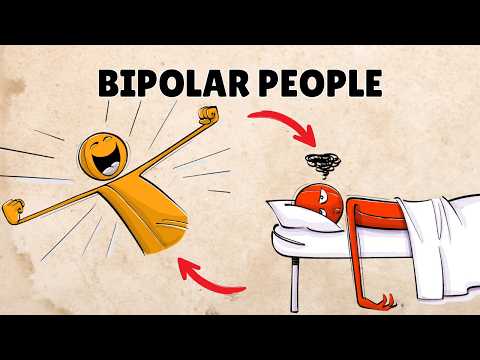
And here’s the kicker: after these manic phases come crashes, often into depression. That intense energy fizzles out leaving behind fatigue and feelings of hopelessness. It’s like being on top of the world one moment and then finding yourself in a deep valley the next—if that doesn’t mess with your head, I don’t know what does!
So anyway, while those epic highs might look enticing from the outside, there’s so much more under the surface: emotions swirling around like confused butterflies all trying to escape at once! It’s crucial to understand this cycle so we can better support those who go through it and help them find balance again. At the end of the day, empathy goes a long way—both for them and yourself if you’re riding this rollercoaster alongside them!