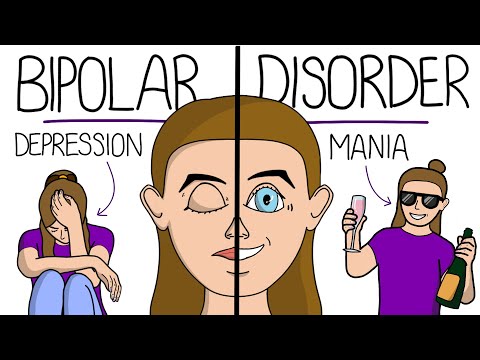
You know when you’re feeling on top of the world? Everything just clicks, right? Well, imagine that feeling cranked up to eleven. That’s what a manic episode is kinda like.
Este blog ofrece contenido únicamente con fines informativos, educativos y de reflexión. La información publicada no constituye consejo médico, psicológico ni psiquiátrico, y no sustituye la evaluación, el diagnóstico, el tratamiento ni la orientación individual de un profesional debidamente acreditado. Si crees que puedes estar atravesando un problema psicológico o de salud, consulta cuanto antes con un profesional certificado antes de tomar cualquier decisión importante sobre tu bienestar. No te automediques ni inicies, suspendas o modifiques medicamentos, terapias o tratamientos por tu cuenta. Aunque intentamos que la información sea útil y precisa, no garantizamos que esté completa, actualizada o que sea adecuada. El uso de este contenido es bajo tu propia responsabilidad y su lectura no crea una relación profesional, clínica ni terapéutica con el autor o con este sitio web.
But it’s not all sunshine and rainbows. There are some serious ups and downs that come with it. It can be a wild ride, but also super overwhelming.
Think of it like being on a rollercoaster. Sure, the rush is exciting, but what happens when you’re upside down for too long? That’s where things can get tricky.
So, let’s chat about those symptoms and effects. It’s important stuff—trust me! You with me?
Identifying the 7 Key Symptoms of Mania: A Clear Guide to Understanding Manic Episodes
Mania is one of those topics that often get tangled up in misconceptions. If you or someone you know has ever dealt with a manic episode, it can feel like a whirlwind of emotions, energy, and sometimes confusion. So let’s break down some key symptoms to help you understand it better.
1. Increased Energy
Imagine you just chugged three espressos back to back—you feel supercharged! That’s how increased energy in mania often feels. People can have boundless energy, making them talkative and active non-stop.
2. Decreased Need for Sleep
Ever tried playing a video game for hours on end without feeling tired? During mania, some people might only sleep for a few hours and still feel wide awake the next day as if they’d just taken a refreshing nap. It’s like they’ve hit the ultimate power-up!
3. Racing Thoughts
Racing thoughts can be like jumping from one video stream to another without hitting pause. One second you’re thinking about dinner, and the next you’ve jumped to your vacation plans. It can be exciting but overwhelming at the same time.
4. Inflated Self-Esteem or Grandiosity
This symptom might show up as feeling invincible or more important than usual. You might think you can take on any challenge—like tackling every level in your favorite game without breaking a sweat! This inflated self-view can sometimes lead to poor decision-making.
5. Distractibility
It’s common for someone experiencing mania to get sidetracked easily by anything flashy or interesting around them—like shiny objects in games that distract your character from the main quest! They may struggle to focus because their mind is hopping from one thought to another like an eager rabbit.
6. Impulsive Behavior
Think of this as being tempted by a cheat code that gives you unlimited lives—it’s hard to resist! Impulsivity during mania could manifest through spending sprees, risky activities, or other behaviors that could have negative consequences down the line.
7. Engaging in Unusual Activities
Some people might dive headfirst into things they wouldn’t normally do, like signing up for wildly ambitious projects or taking on new hobbies without any prior experience—kind of like trying out for a role in a competitive game tournament with zero practice!
Recognizing these symptoms is essential not just for understanding yourself but also for supporting others who may be experiencing manic episodes. Be mindful though; always encourage seeking professional help if things start feeling unmanageable.
Remember, mania isn’t just about feeling «happy» or «excited.» It’s more complex than that and varies from person to person—and it’s definitely not something to tackle alone! Keep striving towards awareness and compassion; it makes all the difference in supporting yourself or those around you facing these challenges.
Understanding the Aftermath: What Typically Happens After a Manic Episode
Manic episodes can feel like riding a rollercoaster. You’re up high, full of energy, and then it all comes crashing down. When the ride ends, what’s left? That’s what we’re talking about here: the aftermath of a manic episode.
After coming down from the highs of mania, many people experience a phase often called **depression**. This isn’t always an all-out “I can’t get out of bed” kind of vibe, but there’s often a stark contrast to all that manic energy. You might feel exhausted and emotionally drained. Things that once seemed super exciting now feel dull or impossible.
Physically, you might notice you’re running on empty. Those late nights filled with socializing or creative bursts can lead to fatigue. Your body’s saying, “Hey! Where’s my rest?” So that crash? It’s pretty normal after flying high for so long.
And let’s talk about **cognitive effects** for a moment. Your brain might feel foggy or slow post-mania. You know how sometimes in video games you get hit and everything goes blurry for a sec? That kind of disorientation can happen here too. Tasks that seemed easy before may suddenly feel overwhelming.
Another part of this rollercoaster ride includes relationships. Coming down from mania may make you more sensitive to how others are reacting to your behavior during that episode. You could be worried about what you said or did while buzzing with excitement—think of it like when you blast your favorite song in public and realize halfway through that not everyone’s jamming with you.
Here are some common things people experience after a manic episode:
- Emotional Exhaustion: Feeling drained is very common.
- Physical Fatigue: Sleep disturbances catch up and can leave you tired.
- Cognitive Confusion: Mental fog or difficulty concentrating happens often.
- Relationship Struggles: Reactions from friends or family may cause anxiety.
- Self-Reflection: Often leads to wanting to understand oneself better.
You might find yourself reflecting on the manic phase, wondering how you let things spiral so out-of-control—or maybe feeling proud of some bold moves! The thing is, these moments can spark valuable insights into your needs and desires.
So yeah, recovery isn’t just about waiting for it all to pass—it involves working through feelings and impacts on daily life too. And don’t forget support! Connecting with friends or professionals who understand this journey is crucial.
Remember, navigating the aftermath takes time; there’s no quick fix here! If things feel too heavy or confusing, reaching out for help should be part of your toolkit—because everyone deserves support on their path back to balance.
Understanding Manic Episode Symptoms: Key Indicators and Insights
Manic episodes can be a wild ride. If you’ve ever noticed someone going from zero to sixty in no time, they might be experiencing mania. Basically, it’s a state that sometimes occurs in bipolar disorder but can arrive in other situations too. Let’s break this down into some key symptoms and insights.
1. Elevated Mood:
During a manic episode, you might feel on top of the world! Everything seems brighter and more exciting. But here’s the catch: this exaggerated happiness can flip into irritability pretty quickly.
2. Decreased Need for Sleep:
Ever felt like you just don’t need to sleep? In mania, people often feel rested after just a few hours, or even none at all! Imagine pulling an all-nighter while gaming and still feeling pumped—the energy isn’t natural.
3. Racing Thoughts:
Your mind might seem like it’s sprinting through everything at once. You could jump from one idea to another without stopping to breathe. It’s kind of like playing a fast-paced video game where every thought is your next move.
4. Increased Activity or Energy:
Feel like you could run a marathon? Well, during mania, people often feel an overwhelming surge of energy—seriously! Think of it as finding an unlimited power-up in your favorite game; everything feels possible!
5. Impulsivity:
This one can lead to trouble because it often means making rash decisions without thinking through the consequences first. Whether it’s spending sprees or risky behaviors, these choices are usually out of character.
6. Grandiosity:
People might think they’re invincible or have superhuman abilities during these episodes. Like when you play as an unbeatable character and believe you’ll never lose—that’s how grandiose thoughts can feel!
7. Distractibility:
You know that feeling when you’re trying to focus on one thing but suddenly get distracted by everything around? During mania, it’s intensified—you can’t keep your attention on anything for long.
Now here’s the thing: not everyone experiences all these symptoms at once, and they can vary widely from person to person. Context matters too; some may find themselves unable to sit still while others become more talkative than usual.
And let me add this: if any of this resonates with you or someone you know, it’s essential to reach out for professional help rather than trying to “manage” things alone—like trying to beat a tough level without checking guides! Everyone deserves support with mental health issues.
In the end, acknowledging manic episode symptoms is vital for understanding what someone may be going through—and maybe even helping them find their way back down from that wild ride. So remember, being aware is key; your insights could make all the difference!
Okay, so let’s talk about manic episodes. If you’ve ever seen someone just bursting with energy and confidence, you might be looking at a manic episode in action. It can feel electric—like they’re unstoppable, zooming through life like it’s a high-speed chase. But there’s a lot more going on underneath the surface of all that energy.
Manic episodes are often part of bipolar disorder, which can involve significant mood swings. During these times, a person might feel euphoric or overly irritable. They may take on tons of projects all at once, barely sleeping but feeling invincible. It’s like the world is their oyster, and they can do anything! But hey, it’s not just about being super productive or fun; there are some pretty tough symptoms too.
You know what? I once had a friend who went through this. One day she was driving us to the beach at three in the morning because she couldn’t sleep and thought it would be the greatest idea ever. When we got there, she was just bouncing off the walls—talking non-stop and making wild plans for how we’d travel around the country! It was exciting at first; I mean who wouldn’t want to be part of an adventure? But after a few hours, it became clear she was losing touch with reality. She started saying things that made no sense at all and even got upset over really little stuff.
And that’s where it gets tricky: while those highs can be thrilling, they can also lead to risky behavior and bad decisions. People might spend money impulsively or say things they don’t really mean—all this fueled by that overwhelming sense of invulnerability.
It’s not just them who feels it—it affects their relationships too because loved ones don’t always know how to respond or help while someone is in this state. The aftermath can leave them feeling exhausted or even hopeless when they crash back down into depression.
So if you ever find yourself feeling on top of the world yet kind of lost underneath it all—that’s something worth talking about with someone who understands these feelings better than I do! It’s so important to recognize when extra help is needed; navigating those waves alone isn’t easy.
Ultimately, understanding manic episodes means acknowledging both the exhilarating highs and daunting lows that come with them. You’re not alone if you’re dealing with this—or supporting someone who is—and reaching out for help really does make a difference!