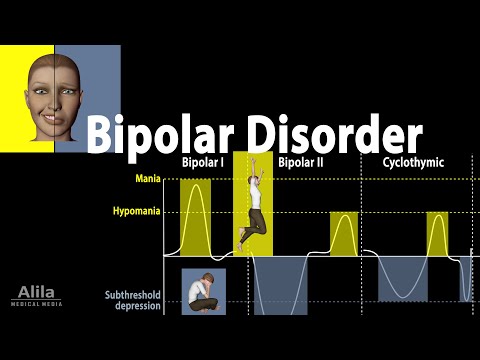
Hey you! Let’s talk about something that’s not always easy, but super important—bipolar disorder.
Este blog ofrece contenido únicamente con fines informativos, educativos y de reflexión. La información publicada no constituye consejo médico, psicológico ni psiquiátrico, y no sustituye la evaluación, el diagnóstico, el tratamiento ni la orientación individual de un profesional debidamente acreditado. Si crees que puedes estar atravesando un problema psicológico o de salud, consulta cuanto antes con un profesional certificado antes de tomar cualquier decisión importante sobre tu bienestar. No te automediques ni inicies, suspendas o modifiques medicamentos, terapias o tratamientos por tu cuenta. Aunque intentamos que la información sea útil y precisa, no garantizamos que esté completa, actualizada o que sea adecuada. El uso de este contenido es bajo tu propia responsabilidad y su lectura no crea una relación profesional, clínica ni terapéutica con el autor o con este sitio web.
You know, it’s one of those topics that can feel really heavy. But it doesn’t have to be all doom and gloom!
A lot of folks have questions about it, and that’s totally okay. I mean, understanding mental health is a journey we’re all on, right?
So, what if I told you there are ways to help figure things out? One of those ways? A questionnaire.
It’s a tool that can give insights and maybe even guide someone to get the help they need. Isn’t that cool? That’s what we’ll dig into today!
Understanding the Mood Disorder Questionnaire: A Comprehensive Guide to Assessment and Interpretation
I can definitely help break down the Mood Disorder Questionnaire (MDQ) in a way that feels friendly and approachable! Let’s dive right into it.
The Mood Disorder Questionnaire is a tool designed to help identify signs of bipolar disorder, which is a condition characterized by significant mood swings. These swings can include emotional highs (mania or hypomania) and lows (depression). It’s important to remember that while this questionnaire can be useful, it’s not a substitute for professional evaluation.
So, what exactly does the MDQ involve? Well, it contains a series of questions focusing on different aspects of mood changes over time. Here are some key points about how it works:
- Self-Reporting: You answer questions based mostly on your own experiences.
- No Diagnosis: Completing the MDQ doesn’t mean you have bipolar disorder; it just helps in understanding if further assessment is needed.
- Five or More: Generally, if you answer “yes” to five or more items regarding manic/hypomanic symptoms, it’s worth discussing with a healthcare provider.
- Bipolar Types: The MDQ doesn’t distinguish between types of bipolar disorder; it simply flags possible symptoms.
Now, let me share a little story to illustrate its importance. I once had a friend who seemed like they were living in two worlds. One minute they’d be bursting with energy, taking on every project imaginable at work. The next minute? They’d find it hard to get out of bed and face the day. After some gentle nudging from others, they filled out the MDQ and took it to their doctor. This was a turning point because it led them down the path toward understanding their condition better.
Interpreting your answers can feel tricky at first. Some common symptoms include:
- Elevated Mood: Feeling overly happy or energetic for an extended period.
- Irritability: Getting unusually angry or upset over minor issues.
- Risky Behavior: Engaging in activities that have high potential for negative consequences like spending sprees or reckless driving.
When evaluating your responses, consider how long these moods lasted and how much they impacted your daily life—like if you’re missing work or social events because you’re feeling low.
You know what? It’s also interesting to note that many people mistake episodes of mania for mere “good days.” But when those highs lead to significant issues in relationships or work performance, that’s when things need closer examination.
In summary, while the Mood Disorder Questionnaire is incredibly helpful as an initial screening tool, always reach out for professional guidance afterward. Discussing results with someone who understands mental health is vital—they can provide clarity and support as you figure things out together.
If you’re curious about more details or specific questions from the MDQ itself, I’m happy to chat about that too!
Downloadable Mood Disorder Questionnaire PDF for Self-Assessment and Screening
So, you might be curious about mood disorders, especially bipolar disorder. It’s a pretty complex topic, but understanding it is super important. Sometimes, people can get a little lost in their feelings or behaviors, and that’s where tools like a mood disorder questionnaire come into play.
A mood disorder questionnaire is essentially an assessment tool designed to help identify signs and symptoms of mood disorders. This can include anything from depression to bipolar disorder. It’s not meant to diagnose you; rather, it’s a starting point for self-reflection and awareness.
Now, when we talk about bipolar disorder specifically, it features episodes of mania and depression. You’re probably wondering: what’s the difference between these episodes? Well, during a manic episode, someone might feel overly energetic or irritable; it’s kind of like playing your favorite video game on high speed—everything’s moving so fast! On the flip side, during a depressive episode, it feels like you’re running on empty; think of your console lagging because it can’t keep up.
Here are some key points regarding the use of a bipolar disorder questionnaire:
- Self-Assessment: These questionnaires typically ask about your mood patterns, energy levels, sleep habits, and any changes in behavior over time.
- Understanding Patterns: By filling one out regularly—like checking your stats in a game—you can begin to spot trends in how you’re feeling.
- Screening Tool: While it won’t give you a definitive answer or diagnosis (that’s what professionals are for), it can signal when it’s time to reach out for help.
- Anonymity: Filling these out is often private; no one else needs to know what you’re going through unless you decide to share.
Imagine playing your favorite game where tracking abilities helps you level up. That’s kind of how these questionnaires work—they help you gain insight into yourself so you can understand when things might be shifting.
But remember! Using a Bipolar Disorder Questionnaire isn’t meant to replace talking with someone who really gets it—a therapist or doctor is essential for proper care. They can interpret results and guide you towards support if needed. It’s always better when you’re not going through this alone.
So next time you’re feeling off or confused about ups and downs in your mood? Just take some time with one of these questionnaires. It could provide some clarity and point in the right direction—but always keep professional help front of mind. You’re not alone in this journey!
Understanding the Mood Disorder Questionnaire (MDQ): A Tool for Identifying Bipolar Disorder Symptoms
The Mood Disorder Questionnaire (MDQ) is a tool that’s designed to help identify symptoms of bipolar disorder. It’s like a checklist for you or someone you care about to see whether those mood swings might be something more substantial.
Bipolar disorder, as you probably know, involves shifts in mood that can range from manic highs to depressive lows. The MDQ consists of just a few questions, making it easy to fill out. But let’s make one thing clear: it’s not a replacement for professional diagnosis or treatment.
When you take the MDQ, you’re asked about different experiences and feelings. Here are some key points about it:
- Self-Assessment: You answer yes or no to various statements regarding your mood and behavior over the past few months.
- Focus on Symptoms: It looks for symptoms of mania and depression, such as feeling unusually “high,” irritable, or overly energetic—think of it like leveling up in your favorite game where everything feels intense.
- Multiple Episodes: The questionnaire also checks if these symptoms have occurred at least once before, which is crucial for identifying bipolar disorder.
Filling out the MDQ can sometimes feel like playing detective in your own life! For instance, if you’ve ever experienced periods where you felt invincible but later crashed hard into feelings of sadness—it might resonate with some questions on the form.
What’s great about the MDQ is that it opens the door for conversations with health professionals. You might find yourself thinking: «Wow, I didn’t realize my ups and downs could be linked.» But remember, just because you think you might relate doesn’t mean you’re definitely experiencing bipolar disorder.
In case someone else fills out this questionnaire for themselves or a loved one, they should still seek guidance from a doctor or mental health expert afterward. The MDQ is an informative step but not an end goal.
So there you have it! The Mood Disorder Questionnaire is all about helping people recognize patterns in their moods and behaviors that could signal bipolar disorder. Just keep in mind it needs further exploration with a professional—think of it as your first quest in an epic role-playing game where understanding yourself is just the start of your journey!
Oh man, let’s talk about bipolar disorder for a sec. It’s one of those things that sounds heavy and, honestly, it can be a bit tricky to navigate. You might have heard of mood swings, which is like the hallmark of bipolar disorder. Like, one minute you’re on top of the world and the next, you feel like you’re in a pit.
So, here’s where questionnaires come in. These little tools can actually help people—whether it’s you or someone you care about—get a clearer picture of what’s going on. I remember this one friend who took what felt like endless questionnaires when they were trying to understand their moods better. At first, they were kind of frustrated—like “Why do I have to answer all these questions?” But then they realized that by digging deeper into their feelings and experiences through those questions, it was easier to see patterns in their emotions.
Now, if we get more technical for a moment (don’t worry; I won’t bore you with jargon!), questionnaires are designed to assess symptoms related to bipolar disorder. They often include questions about mood episodes in different situations—as in how long those swings last and how intense they feel. This helps doctors figure out whether someone might be experiencing something more than just ordinary ups and downs.
And of course, there are variations out there! Some are super straightforward while others dive into more nuanced aspects of your life—like social interactions or sleep patterns. Oh man, sleep is often such a big deal when it comes to mood disorders!
But hey, it’s important to remember that these questionnaires aren’t definitive diagnoses; they’re just one piece of the puzzle. They can spark conversations with healthcare professionals who can then provide guidance tailored specifically for an individual’s situation.
Look, the thing is not everyone experiences bipolar disorder the same way. It varies from person to person! So while these questionnaires can be super helpful for understanding oneself better—they’re not the end-all-be-all solution.
I think what really sticks with me is how self-awareness plays into all this. Realizing you might need some help or even just talking openly about what you’re feeling? That takes courage! So if you’re navigating through this bipolar journey—whether it’s your experience or supporting someone else—you’re definitely not alone in this hustle. It’s okay to seek clarity through these tools!
In the end, it’s all about being kind to yourself and getting support when it’s needed most—and remember: it’s perfectly okay to not have everything figured out right now. You’re doing great just by showing up for yourself!