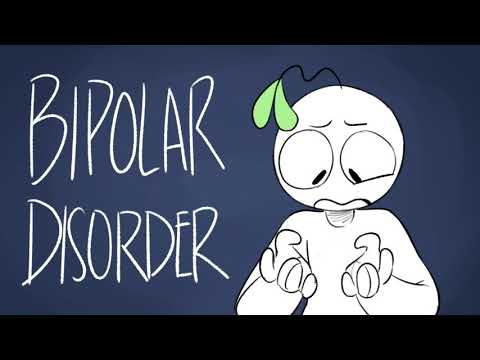
Hey you! Let’s chat about something that can be a little tough to wrap your head around—Bipolar Affective Disorder Type 1.
Este blog ofrece contenido únicamente con fines informativos, educativos y de reflexión. La información publicada no constituye consejo médico, psicológico ni psiquiátrico, y no sustituye la evaluación, el diagnóstico, el tratamiento ni la orientación individual de un profesional debidamente acreditado. Si crees que puedes estar atravesando un problema psicológico o de salud, consulta cuanto antes con un profesional certificado antes de tomar cualquier decisión importante sobre tu bienestar. No te automediques ni inicies, suspendas o modifiques medicamentos, terapias o tratamientos por tu cuenta. Aunque intentamos que la información sea útil y precisa, no garantizamos que esté completa, actualizada o que sea adecuada. El uso de este contenido es bajo tu propia responsabilidad y su lectura no crea una relación profesional, clínica ni terapéutica con el autor o con este sitio web.
I mean, have you ever felt those crazy highs and then, bam, the lows hit you like a brick wall? Yeah, it’s wild. And it’s not just feeling moody; it’s like riding a rollercoaster you didn’t sign up for.
So what does it look like? Well, you might see some really intense moods—and I’m talking epic highs followed by deep valleys of sadness. It can feel super overwhelming.
But don’t worry! There are ways to get through it. There are treatments and support out there that can help people find balance again. So let’s dig in and break it down together!
Effective Treatment Options for Managing Bipolar Disorder
Bipolar disorder can be a whirlwind, right? You might find yourself swinging from incredibly high energy and euphoric mood to feeling deeply low. Particularly, with **Bipolar Affective Disorder Type 1**, these shifts can happen dramatically. Let’s chat about what that looks like, along with some treatment options that can help manage it.
So first things first, what are the symptoms? People with Type 1 often experience:
- Manic episodes: This is when you might feel supercharged, racing thoughts, or an overwhelming sense of euphoria.
- Depressive episodes: Think of a heavy fog; everything feels slow and heavy. You might feel hopeless or lose interest in stuff you used to love.
- Mixed features: Sometimes both mania and depression hit at once! It’s like being on a rollercoaster where you’re both thrilled and terrified.
Now, dealing with these ups and downs requires a combo of strategies. It’s not just one thing— we’re talking about managing the whole picture here.
Medication is often the backbone of treatment. Most doctors will prescribe mood stabilizers or antipsychotics to help regulate those intense mood swings. Medications like Lithium or Lamotrigine are pretty common for maintaining stability. But here’s the catch—everyone’s different, so it can take time to find the right fit for you!
Another effective method is psychotherapy, which is just a fancy word for talk therapy. Engaging in therapy can help you understand your moods better and develop coping strategies. Cognitive Behavioral Therapy (CBT), for example, focuses on changing negative thought patterns into more positive ones.
Now let’s touch on some lifestyle changes that make a big difference! Regular exercise can be super beneficial—it’s like hitting refresh on your system. And sleep? Oh man, getting enough quality sleep is crucial. Disrupted sleep can actually trigger mood changes, so sticking to a schedule helps keep things in check.
Support groups are another avenue worth exploring. Sharing experiences with others who get where you’re coming from can be therapeutic in itself. It’s like playing co-op in your favorite video game; everyone has their unique skills but together you tackle challenges!
Finally, don’t overlook the importance of having a solid support network—friends and family play an essential role here! They’re like the side characters in those games that lend you extra lives during tough levels.
To wrap it up: managing bipolar disorder isn’t just about medication—it’s multifaceted! The journey involves understanding how to balance everything from mental health therapies to lifestyle changes.
Always remember: while this info offers insight into coping strategies, it’s super important to connect with health professionals who specialize in bipolar disorder for personalized guidance tailored just for you!
Understanding Bipolar Disorder Symptoms in Females: Key Indicators and Insights
Bipolar disorder can be a tough topic to tackle, especially since it varies so much from person to person. When we talk about **Bipolar Affective Disorder Type 1**, we’re diving into some intense mood swings, you know? It’s not just about being moody; it’s like riding a roller coaster of emotions.
Key Symptoms to Look Out For
First off, let’s break down some symptoms that often show up in females:
- Mood Episodes: These can swing from **manic** to **depressive** phases. In mania, you might feel super energized and invincible. I mean, have you ever felt on top of the world but then suddenly crashed down? That’s similar.
- Manic Behavior: This can include a decreased need for sleep, racing thoughts, or even engaging in risky activities. Think of it like when you’re playing a game and totally lose track of time because you’re having too much fun!
- Depressive Symptoms: Feelings of sadness or hopelessness that seem never-ending. You could lose interest in things you used to enjoy. It’s like when your favorite game becomes dull; you just don’t want to play anymore.
- Irritability: Some females may experience increased irritability during manic or depressive episodes, feeling more easily frustrated or agitated.
- Cognitive Issues: During mood episodes, focusing on tasks might feel impossible. Imagine trying to solve a puzzle with some pieces missing—frustrating, right?
The Female Experience
What’s fascinating—and sometimes frustrating—is that bipolar disorder can manifest differently for women compared to men. For instance, hormonal changes related to menstruation or pregnancy can impact the severity and frequency of mood swings. You know how your mood can change with different seasons? Much like that.
Some studies suggest that women are more likely than men to experience depressive episodes and mixed states (where symptoms of both mania and depression occur simultaneously). This can lead to unique challenges in getting the right diagnosis and treatment.
Treatment Options
So what can be done if you or someone you know is dealing with this? Here are some common treatment options:
- Medications: Mood stabilizers are often prescribed along with antidepressants or antipsychotics tailored for individual needs.
- Psychotherapy: Talking therapies such as cognitive behavioral therapy (CBT) help patients understand their moods better and develop coping strategies.
- Lifestyle Changes: Regular exercise, a healthy diet, sleep routines—these factors seriously matter! Think of your body as a gaming console; it performs better when it’s well-maintained.
- Support Groups: Sometimes connecting with others who get what you’re going through is invaluable. Sharing experiences can lighten the load!
In the end, it’s super important to remember that these indicators aren’t definitive diagnoses—they’re just signs that something may be off. If you think someone has bipolar disorder—or it’s affecting you—reaching out for professional help is key! There’s no shame in seeking guidance from someone who really knows their stuff; they can offer tools and support tailored just for your situation.
So let’s keep talking openly about mental health because understanding these symptoms is an important step toward finding balance again!
Understanding the Causes of Bipolar Disorder: A Comprehensive Overview
Bipolar disorder, especially Bipolar Affective Disorder Type 1, can feel like a rollercoaster ride through the ups and downs of emotions. Picture this: one minute you’re on top of the world, feeling invincible, and then suddenly, you crash into a deep pit of despair. Sounds intense, right? This condition is characterized by manic episodes, where people might feel super energized, and depressive episodes that can be pretty debilitating.
Let’s break down some key stuff to understand what’s going on under the surface.
Causes of Bipolar Disorder
So why does this happen? Well, it’s a mix of things—genetic, biological, and environmental factors play a crucial role:
- Genetics: If someone in your family has bipolar disorder, there’s an increased chance you might too. It’s like inheriting a quirky trait but way more serious.
- Chemical Imbalances: Our brains have these chemicals called neurotransmitters. When they’re outta whack—like dopamine or serotonin—mood swings can occur.
- Trauma and Stress: Major life stressors or traumatic events can trigger episodes. Think of a video game where your character keeps facing unexpected challenges; it can really get to you after a while!
- Circadian Rhythms: Your body has these natural cycles that influence when you sleep and wake up. Disruptions in these patterns might throw your mood off balance.
Symptoms of Bipolar Affective Disorder Type 1
Now that we’ve covered the causes let’s look at what symptoms might crop up during those manic or depressive episodes.
During manic episodes, you might experience:
- An inflated sense of self-esteem or grandiosity (feeling like you’re the superhero in a movie).
- A decreased need for sleep (seriously, who needs rest when you’re flying high?).
- Talkativeness that could easily rival an auctioneer.
- Poor decision-making (like jumping into online gaming without checking your gear first).
On the flip side, during depressive episodes, folks often feel:
- A persistent feeling of sadness or hopelessness (it’s like being stuck in level one when you wanna be at the finale).
- A loss of interest in activities once enjoyed.
- Trouble concentrating (think about trying to focus on your favorite game while all sorts of distractions are swirling around).
- Feelings of worthlessness or guilt.
Treatment Options for Bipolar Disorder
Alright, now for some good news! There are ways to manage bipolar disorder effectively. Treatment usually includes:
- Mood Stabilizers: Medications like lithium can help even out those wild mood swings.
- Psychotherapy: Talk therapy provides tools to cope with symptoms and manage life stressors better. It’s kinda like having an expert game guide for navigating through tough levels.
- Lifestyle Changes: Regular sleep schedules, exercise, and healthy eating habits can make a big difference in stabilizing mood.
But let’s not forget: if you or someone you know is dealing with bipolar disorder—or any mental health issue—reaching out for professional help is super important! There are trained therapists and doctors who can provide personalized care.
In the end, understanding the ins and outs of bipolar disorder helps not just those affected but also friends and family who want to support their loved ones better. So if someone is in your corner dealing with this emotional rollercoaster ride, simply being there can mean more than you’d think!
Bipolar Affective Disorder Type 1, or just bipolar disorder for short, can feel like riding a rollercoaster that you never signed up for. One minute, you’re on top of the world, bursting with energy and ideas, and the next, it’s like a dark cloud has rolled in—everything feels heavy and hopeless. It’s that whiplash of emotions that can get so overwhelming.
You know what? I had a friend who went through this. When she was in her high-energy phase, we’d have the best time! Late-night adventures, deep conversations about life—it was electric! But when her mood shifted into the depressive phase, she’d pull away from everything and everyone. Suddenly those bright days vanished into long stretches of silence. It was heartbreaking to see someone so vibrant retreat into shadows.
So what does this mean? Well, bipolar disorder is characterized by these manic episodes—think extreme euphoria or irritability—and the depressive episodes we just talked about. During manic phases, people might feel invincible; they could spend money wildly or have racing thoughts that are hard to keep up with. And then those lows hit hard: lack of energy, sleep troubles, or just feeling worthless.
Now here’s where things get tricky: figuring out treatment options is crucial but can be so personal. Many people find relief through medication like mood stabilizers or antipsychotics. Therapy can also play a big role—talking through feelings can help untangle some of that emotional chaos! Cognitive Behavioral Therapy (CBT), for example, helps identify negative thought patterns and shift them.
But finding the right balance takes time—it’s not one-size-fits-all! You might try different meds until you find one that works without terrible side effects—or maybe talking to a therapist who really gets it makes all the difference.
In all honesty? It’s not an easy journey at all. But with support from friends and professionals who truly understand what it means to live with this condition, there is hope for brighter skies ahead—even if they seem far away right now. So if you’re struggling or know someone who is? Just remember they’re not alone; there’s always a path forward worth exploring together!