Hey! So, you know that weird moment when you feel something but can’t quite put it into words? Yeah, those feelings that just creep up on you out of nowhere.
Este blog ofrece contenido únicamente con fines informativos, educativos y de reflexión. La información publicada no constituye consejo médico, psicológico ni psiquiátrico, y no sustituye la evaluación, el diagnóstico, el tratamiento ni la orientación individual de un profesional debidamente acreditado. Si crees que puedes estar atravesando un problema psicológico o de salud, consulta cuanto antes con un profesional certificado antes de tomar cualquier decisión importante sobre tu bienestar. No te automediques ni inicies, suspendas o modifiques medicamentos, terapias o tratamientos por tu cuenta. Aunque intentamos que la información sea útil y precisa, no garantizamos que esté completa, actualizada o que sea adecuada. El uso de este contenido es bajo tu propia responsabilidad y su lectura no crea una relación profesional, clínica ni terapéutica con el autor o con este sitio web.
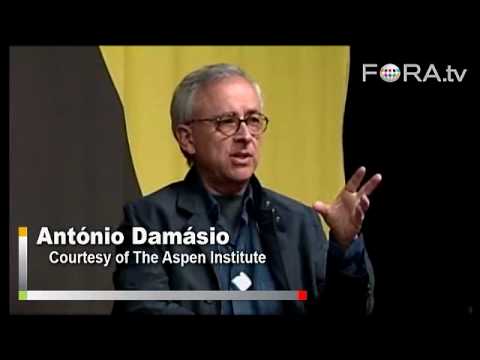
Well, that’s kind of what Antonio Damasio dives into in his book, “The Feeling of What Happens.” It’s all about how our emotions are linked to our bodies and experiences.
You ever get a lump in your throat during a sad movie? That’s your body talking! Damasio breaks it down in such a way that makes you go, “Oh wow, I totally get that!”
Get ready to explore the wild ride of feelings and consciousness. Let’s see what this means for us day-to-day, yeah?
Understanding Antonio Damasio’s Theory of Emotion: Insights into the Connection Between Emotion and Reason
Sure thing! Let’s explore Antonio Damasio’s theory of emotion and how it connects with reason. This is a fascinating area in psychology that digs into the way our feelings influence our decision-making. Here we go!
Antonio Damasio, a Portuguese-American neuroscientist, is known for his work on the connection between emotion and reason. He argues that emotions are essential for rational thinking. You might think of emotions as pesky distractions, but Damasio says they actually play a crucial role in how we make decisions.
Much of his research is based on studying patients with brain injuries, who often struggle to connect emotions to their decision-making processes. For instance, someone who can’t feel emotions may make reckless choices because they can’t gauge what feels right or wrong. This helps underline how important feelings are!
Damasio introduces the concept of «somatic markers.» These are basically bodily signals that arise from our emotional experiences. Imagine you’re about to make a big choice—like accepting a new job offer. You get butterflies in your stomach when thinking about leaving your current position. That’s one of your somatic markers at play!
Here are some key parts of Damasio’s theory:
- Emotions guide decisions: Your feelings inform you about situations and help shape your choices.
- The role of body signals: Physical reactions (like sweating or feeling nauseous) signal emotional responses related to decision-making.
- Cognitive processing: Emotions aren’t separate from rational thought; they enhance our cognitive abilities.
- The consequences of injury: Damage to emotion-related areas in the brain can severely impair decision-making skills.
Let’s bring this down to more relatable terms—you know those moments in games where you have to pick an option? Maybe you’re playing a role-playing game where choosing an alliance affects the storyline drastically. If you always rely on cold logic without considering your character’s emotional ties, you might miss out on some deep connections or plot twists! That’s like ignoring somatic markers—they help us see the bigger picture.
One story often told about Damasio involves a man named Phineas Gage. He survived a severe brain injury when an iron rod went through his skull, damaging areas related to emotion and judgment. After the accident, he could no longer process emotions effectively and made impulsive and socially inappropriate choices. Gage’s case illustrates just how intertwined emotion and reason really are.
This connection plays out in everyday life too! Think about times you’ve felt anxious before making large decisions—like moving cities or getting married—and how those feelings influenced your final choices.
So here’s the takeaway: recognizing emotions is not just helpful but essential for proper reasoning and decision-making; they provide information that pure logic might overlook.
But remember, if you’re ever feeling overwhelmed by your emotions or find it difficult to make decisions due to them, reaching out to a mental health professional can really help sort things out—they’re there for that kind of support!
In summary, Antonio Damasio’s insights remind us that while our brains love logic, it’s often our hearts driving the car! Emotions aren’t just background noise; they’re part of what makes us human. So next time you’re faced with a decision, take a moment—how do you feel?
Understanding the Causes of Feelings: Insights from Dr. Antonio Damasio
So, let’s talk about feelings. Seriously, those messy little things that can make or break your day! You know what I’m talking about. Dr. Antonio Damasio, a prominent neuroscientist, gives us some pretty cool insights into how our emotions and feelings work together.
Feelings vs. Emotions
First off, it’s important to distinguish between emotions and feelings. Emotions are those raw reactions that happen in response to something happening around us—like feeling scared when you hear a loud noise. On the other hand, feelings are the conscious experiences of those emotions. It’s like going from a sudden jolt of fear to stepping back and thinking, “Wow, that really freaked me out!”
Damasio points out that our bodies play a big role here too. He suggests that emotions come first—they’re like the opening act at a concert—and then we interpret them as feelings based on our experiences and thoughts.
The Role of the Body
You know how sometimes you might feel sweaty and jittery before giving a presentation? That physical reaction comes from your body responding to anxiety or excitement! Damasio’s work emphasizes that these body signals are essential for processing emotions correctly. It’s sort of like having an internal GPS system guiding you toward understanding what you’re feeling.
When our brains receive signals from the body—like an increased heart rate—it’s telling us something is up. This means our physical state shapes our emotional landscape quite significantly.
The Somatic Marker Hypothesis
Have you heard about Damasio’s “Somatic Marker Hypothesis”? Basically, he suggests that our past experiences create markers in our brains that help us navigate future decisions based on feelings linked to those memories. So say you had a bad experience at a party; your brain might remember how uncomfortable it was through physical cues like tension or nausea.
These markers are important because they can steer you away from certain situations based on how they made you feel before. Imagine playing a game where every time you hit a certain obstacle in level one, it leaves a mark on your character for the rest of the game! You’d start avoiding similar obstacles in later levels because your character remembers how tough they were.
The Importance of Social Connection
Okay, here’s another interesting tidbit: Damasio highlights the importance of social bonds in shaping our feelings too! Our interactions with family and friends deeply influence how we perceive various situations emotionally. Think about it; hanging out with someone who makes you laugh can lighten up an otherwise heavy day.
When we’re loved and supported, we feel more secure and confident—it’s like having extra lives in your favorite video game! Those connections can actually buffer us against stress—making all the difference when life gets tough.
Cognitive Processes
Also worth mentioning is how cognitive processes play into all this jazz! Our thoughts can amplify or ease feelings depending on what narrative we build around an emotion. For example, if you’re feeling nervous about an upcoming exam but remind yourself you’ve studied hard—it could help calm your nerves!
Your interpretation of events matters big time! It’s kind of like interpreting game rules; if you think they’re unfair right off the bat, chances are you’ll struggle more than if you’re optimistic about them.
All in all, understanding feelings through Damasio’s insights helps shed light on why we react to situations as we do—showing just how intertwined our bodies and minds really are. But remember: even with great insights like this one, if you’re ever feeling overwhelmed or struggling deeply with emotions (and hey—that happens to all of us sometimes), reaching out for professional help is always advised!
Understanding Damasio’s Three Stages of Self: A Comprehensive Overview
Antonio Damasio is a well-known neuroscientist who has really dived into the idea of self and consciousness. His book, The Feeling of What Happens, talks about how our feelings shape our sense of self. He breaks it down into three stages: the core self, the extended self, and the autobiographical self. Let’s unpack these stages a bit.
The Core Self is all about basic awareness. It’s like your brain’s radar system picking up on what’s happening right now. Imagine playing a video game where you’re just focused on dodging obstacles. You’re not thinking about your life story or future levels; you’re just in that moment, responding to what’s happening. This is where you perceive your body and feelings.
In this stage,
. Think of when you touch something hot—your hand pulls away without you even thinking much about it! It’s your first line of defense in the real world.
Then we move to The Extended Self. Here’s where things get interesting! This stage involves perception and memory working together. You’re beginning to connect the dots between experiences and emotions over time. Picture yourself playing an RPG (role-playing game). You level up, collect treasures, and make choices that affect how others see you in that game’s world.
In this stage:
This is when you’re not just reacting; you’re recalling past events—and using them to guide your future actions!
Finally, there’s The Autobiographical Self. This stage is where your whole life story comes into play! It combines memories with emotions and personal experiences to create a richer narrative of who you are over time. It’s kind of like being the main character in your own epic saga—with flashbacks and everything!
In this phase:
- You weave together memories from different periods of your life.
- Your identity becomes shaped by choices you’ve made based on past experiences.
This can impact how you view yourself today!
To give an example: think about someone who loved art as a kid but didn’t pursue it professionally due to practical reasons. Throughout their life, they might feel drawn back to painting during tough times as a way to cope or express themselves—this reflects how their autobiographical self influences their present choices!
Damasio emphasizes that these three stages aren’t isolated; they work together like team players in a game scenario. Each aspect contributes uniquely toward forming our identities—how we experience feelings and respond to life events.
So remember: while Damasio’s ideas offer fantastic insights into understanding ourselves better, it’s essential to recognize that they don’t substitute for professional help if you’re navigating deeper emotional issues or struggles.
I hope this breakdown helps clear up Damasio’s stages! Feel free to ask if anything else pops into your head—you know I’m here for it!
So, have you ever found yourself lost in thought, just trying to connect the dots between your emotions and your daily life? That’s kinda what Antonio Damasio digs into in his book “The Feeling of What Happens.” It’s all about how our feelings aren’t just random little blips on the radar; they’re actually tied to who we are and how we navigate the world.
Damasio talks a lot about this thing called «emotional awareness.» It’s that moment when you realize, “Oh wow, I’m feeling anxious right now,” or “Hey, I’m really happy.” He suggests that these feelings don’t just pop up out of nowhere. They are signals from our body telling us how to respond to what’s going on around us. Like, if you’re faced with a barking dog, your heart races not just because it might be dangerous but also because your body wants you to react—run away or stand your ground. Pretty cool, huh?
Let me share a quick story here. A friend of mine once told me about a time he was waiting for really important news—a job interview outcome. He was so nervous that he couldn’t even focus on anything else. His stomach was doing somersaults! But then, after he got the call (he got the job!), that same feeling turned into pure excitement. Both those emotions came from the same place in his body, and they shaped his experience completely.
Damasio also emphasizes how our brains process emotions and bodily sensations together. This connection is crucial for making decisions. I mean think about it! You’re choosing between two different paths in life—maybe it’s a new job or moving to a new city. Your gut feeling can seriously guide you in ways you might not even notice at first.
What’s interesting is this blending of mind and body isn’t always easy for folks. Some people might struggle with being aware of their feelings at all! And that can lead to confusion or even emotional outbursts down the line. If we ignore what our body is trying to tell us, it’s like walking around with blinders on.
All in all, Damasio’s message is clear: our feelings matter more than we often give them credit for—they’re part of us! Embracing those emotions can lead to better decision-making and deeper relationships with ourselves and others too. So next time you catch yourself having an emotional rollercoaster day, maybe pause for a moment and ask yourself what’s going on inside? It’s worth checking out!