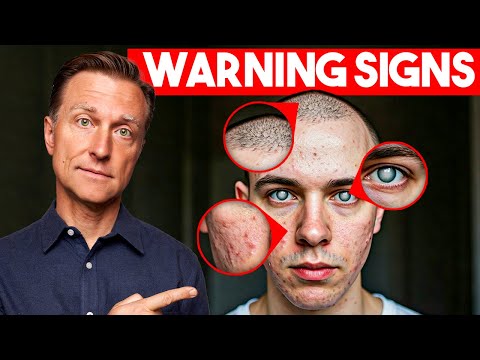
Hey you! Let’s chat about something that might not be on your radar but could totally impact your day-to-day life: zinc deficiency.
Este blog ofrece contenido únicamente con fines informativos, educativos y de reflexión. La información publicada no constituye consejo médico, psicológico ni psiquiátrico, y no sustituye la evaluación, el diagnóstico, el tratamiento ni la orientación individual de un profesional debidamente acreditado. Si crees que puedes estar atravesando un problema psicológico o de salud, consulta cuanto antes con un profesional certificado antes de tomar cualquier decisión importante sobre tu bienestar. No te automediques ni inicies, suspendas o modifiques medicamentos, terapias o tratamientos por tu cuenta. Aunque intentamos que la información sea útil y precisa, no garantizamos que esté completa, actualizada o que sea adecuada. El uso de este contenido es bajo tu propia responsabilidad y su lectura no crea una relación profesional, clínica ni terapéutica con el autor o con este sitio web.
I mean, who even thinks about zinc, right? It’s one of those minerals we just kinda overlook. But trust me, it plays a big role in how our bodies function.
Feeling sluggish? Or maybe your skin’s acting up? You might want to take a peek at those zinc levels.
So, what are the signs that something’s off? Let’s dig into the symptoms together!
Five Key Signs of Zinc Deficiency and Their Impact on Well-Being
Zinc is one of those superheroes in the nutrient world, but it often flies under the radar. This trace mineral plays a huge role in various bodily functions—everything from your immune system to your mood. So, if you’re wondering whether you’re getting enough zinc or not, here are five key signs of deficiency that you should keep an eye on.
- Frequent Infections: If you find yourself catching colds or other infections more often than usual, zinc might be the culprit. This mineral supports your immune system by helping to produce immune cells. Low levels can lead to a weaker defense against pesky germs!
- Skin Issues: Ever noticed dry skin or rashes that just won’t go away? Zinc is essential for skin health and helps with healing. A deficiency can result in acne, eczema, or even slow-healing wounds. It’s like trying to play a game without all the right tools—you can’t level up!
- Hair Loss: Losing hair can be tough and emotionally draining. Zinc deficiency has been linked to hair loss since it plays a vital role in cell growth and repair. Think of it as having a plant without enough nutrients—over time, it just can’t thrive.
- Loss of Taste or Smell: Imagine biting into your favorite pizza but tasting nothing! A lack of zinc can mess with your taste buds and sense of smell. This happens because zinc is crucial for maintaining taste bud health; without enough of it, flavor sensations may fade.
- Mood Changes: Feeling unusually down or anxious? Zinc impacts neurotransmitters that regulate mood. Research suggests that low levels might contribute to feelings of sadness or irritability. You could think of it as being stuck in a game where you can’t save; it’s frustrating!
If any of these symptoms ring a bell for you, it might be worth looking into how much zinc you’re actually getting in your diet—like through beans, nuts, dairy products, and whole grains. Just remember: while knowing about these signs is important, they don’t replace professional advice from healthcare providers.
So yeah! Zinc may seem small on paper but its impact on well-being is pretty huge—and knowing the signs might help you stay ahead in taking care of yourself!
How Low Zinc Levels May Contribute to Leaky Gut Syndrome
Zinc is one of those trace minerals that often flies under the radar, but it plays a crucial role in your body. Seriously, low zinc levels can mess with various functions, and one of the lesser-known issues is how it might contribute to leaky gut syndrome.
So, what exactly is leaky gut? Well, imagine your gut as a bouncer at an exclusive club. If everything’s running smoothly, only the right substances get through to your bloodstream. But with leaky gut, that bouncer starts letting in all kinds of unwanted guests—like toxins and undigested food particles. This can lead to inflammation and other health troubles.
Now let’s connect the dots between zinc levels and leaky gut. Zinc is essential for maintaining the integrity of your intestinal barrier. When you’re low on zinc, the cells in your gut lining can weaken. Here are some key points that show how this works:
- Cellular Repair: Zinc helps repair cells in your gut lining. Without enough zinc, this process can slow down.
- Immune Function: A strong immune system keeps harmful invaders at bay. Low zinc can lead to a less effective immune response.
- Inflammation Regulation: Zinc plays a role in controlling inflammation levels in the body. Too little zinc can cause unchecked inflammation.
- Gut Microbiome Balance: Your gut has billions of bacteria living happily there. Zinc deficiency may disrupt their balance leading to more problems.
Here’s an emotional anecdote for you: A friend of mine once struggled with digestive issues for years—painful bloating, food sensitivities, the works! After countless visits to various doctors with no clear answers, she discovered she had low zinc levels. Once she started focusing on her diet and boosting her zinc intake (with foods like pumpkin seeds and chickpeas), she began feeling better! It was like turning on a light switch after years of darkness.
Recognizing symptoms of lack of zinc is really important too because they’re not always obvious:
- Frequent Illness: If you’re getting sick all the time or take ages to recover, it might be worth checking those zinc levels.
- Skin Issues: Rashes or acne could pop up when you’re deficient in this mineral.
- Dull Sense of Taste or Smell: Ever feel like food just doesn’t taste right? That could be a sign!
- Hair Loss: Noticing more hair in your brush than usual? Yup, low zinc can impact hair health too.
So let’s wrap it up! If you suspect you have low zinc levels contributing to leaky gut syndrome or any other health concerns, it’s seriously important to reach out to a healthcare professional for advice tailored specifically for you.
Remember that while boosting your zing through diet is essential—don’t forget about overall balance! And always consult someone who really knows their stuff before making any big changes!
Identifying Zinc Deficiency in Women: Key Signs and Symptoms
Zinc deficiency might not be something that pops into your head daily, but if you’re feeling off, it could be worth looking into. Zinc is an essential mineral, and it plays a big role in many bodily functions. So, how can you tell if you’re lacking this vital nutrient? Here are some signs and symptoms to keep an eye on.
1. Weak Immune System: If you notice that you catch colds or infections way more than your friends do, zinc could be the culprit. Zinc is crucial for immune health because it helps your body produce cells that fight off illness.
2. Hair Loss: Have you found a little more hair than usual in your brush or shower drain? Well, zinc deficiency can contribute to hair thinning and even bald patches because it’s involved in hair follicle function.
3. Skin Issues: Are you experiencing unexplained rashes or acne? Your skin needs zinc to maintain its barrier and heal wounds. Without enough zinc, skin problems can flare up.
4. Changes in Taste and Smell: An odd one—if food starts tasting bland or smells don’t register like they should, this may be another indicator of low zinc levels. Zinc is essential for the function of taste and smell receptors.
5. Slow Wound Healing: If cuts or scrapes seem to take longer to heal than normal, that could be a signal too! Zinc plays a role in collagen synthesis and inflammatory response necessary for tissue repair.
Now, imagine you’re playing a game where you’re trying to level up your character’s health stats; zinc is like one of those hidden power-ups—if it’s absent, your character (or body) just won’t perform at its best!
So what can cause these deficiencies? A lot can influence zinc levels: poor diet (think not getting enough meats, seeds, nuts), certain medical conditions (like inflammatory bowel disease), or even some medications that affect absorption.
In the end, while these symptoms are good indicators to watch out for, they’re not definite signs of a problem on their own. It’s important to consult with a healthcare provider for proper diagnosis and treatment if you suspect you’re facing zinc deficiency issues. They can run tests and offer advice tailored just for you because everyone’s body works differently.
Being aware of how zinc impacts your overall health can make a real difference—so pay attention! And remember, taking care of yourself is super important!
You know what? We often overlook the tiny details that can really add up in our health, like vitamins and minerals. It’s wild how something as small as a mineral can have such a big impact on how we feel. Take zinc for example. It’s not just some random nutrient; it plays a major role in your body.
When you think about it, zinc is like that quiet friend who always has your back but never demands attention. It’s super important for immune function, wound healing, and even your sense of taste and smell! Can you imagine suddenly not being able to enjoy your favorite meal? I once had an experience where I lost my sense of taste for a couple of weeks due to a cold. I felt totally out of sorts! It reminded me just how essential those simple pleasures are.
So, what happens when you’re low on zinc? Well, first off, you might notice some weird stuff going down with your skin. Acne or rashes could pop up outta nowhere, making you feel self-conscious—seriously, nobody wants that! Then there’s fatigue; it’s like dragging yourself through quicksand all day long. And if you’re fighting colds more often than normal? Yep, low zinc could be the culprit behind that.
Also, let’s chat about how it affects your mood. Zinc deficiency can mess with serotonin levels—and that can lead to feelings of anxiety or depression. Which is rough because mental health is so tied to physical well-being. You want to feel energized and optimistic!
So basically, keeping an eye out for these signs—like changes in your skin or constant fatigue—can make all the difference in staying healthy and feeling good overall. And hey, if you’ve been noticing any of these signs lately? Maybe it’s time to check in with a healthcare professional about getting those levels sorted out! You deserve to feel great—no one likes being stuck on the sidelines when life gets exciting!