Hey you! Let’s chat about something that might sound a bit intense: the Dark Triad of personality.
Este blog ofrece contenido únicamente con fines informativos, educativos y de reflexión. La información publicada no constituye consejo médico, psicológico ni psiquiátrico, y no sustituye la evaluación, el diagnóstico, el tratamiento ni la orientación individual de un profesional debidamente acreditado. Si crees que puedes estar atravesando un problema psicológico o de salud, consulta cuanto antes con un profesional certificado antes de tomar cualquier decisión importante sobre tu bienestar. No te automediques ni inicies, suspendas o modifiques medicamentos, terapias o tratamientos por tu cuenta. Aunque intentamos que la información sea útil y precisa, no garantizamos que esté completa, actualizada o que sea adecuada. El uso de este contenido es bajo tu propia responsabilidad y su lectura no crea una relación profesional, clínica ni terapéutica con el autor o con este sitio web.
Yep, I’m talking about three pretty sneaky traits—narcissism, Machiavellianism, and psychopathy. They’ve got a bit of a bad rap. But are they all bad? Well, that’s where it gets interesting.
We’ve all met people who just seem to have that “something” about them. You know—charismatic but also kinda chilling? These traits play a huge role in how some folks navigate life.
So, stick around while we unpack these characteristics. You might even find yourself recognizing them in people you know, or maybe—even in yourself! Ready to dig deeper?
Understanding the Traits of Individuals with the Dark Triad Personality
The Dark Triad personality traits are a trio of characteristics that can often portray a darker side of human nature. It includes narcissism, Machiavellianism, and psychopathy. Each of these traits has its own flavor, but together they make up a personality style that can be quite manipulative and self-serving.
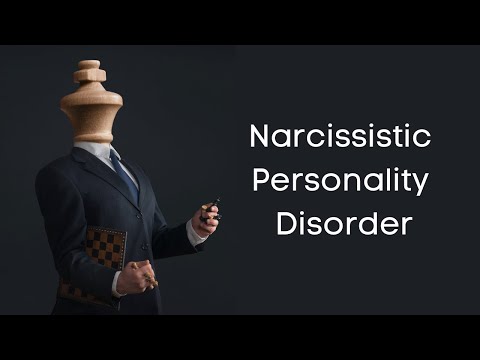
Narcissism is all about self-importance. People who fall into this category tend to have an exaggerated sense of their own abilities and achievements. They often need admiration from others and can be quite sensitive to criticism. This isn’t just about confidence; it’s more like thinking you’re the star in everyone else’s movie! You might know someone who always needs the spotlight at parties or constantly posts about their accomplishments on social media—yeah, that’s classic narcissism.
Then we have Machiavellianism. This trait is linked to manipulation and deceit. Individuals with Machiavellian tendencies often prioritize their own goals over the well-being of others. They might use charm or cunning tactics to get what they want, all while being pretty good at reading people’s emotions. You can think of them as strategists in a game where the objective is all about winning, no matter the cost.
Now onto psychopathy. This one can be trickier because it involves a lack of empathy and remorse. People with psychopathic traits can sometimes appear charming or charismatic at first glance but will not hesitate to exploit others if it serves their purpose. It’s like having a player in a video game who’s only out for themselves, crushing any allies along the way just to level up faster.
When we look at these traits together, we see how they can manifest in various behaviors:
- Self-centeredness: Individuals may exhibit behaviors that show little regard for others’ feelings.
- Charm paired with manipulation: They know how to win you over but won’t hesitate to betray you later.
- Lack of accountability: Often refuse to take responsibility for harmful actions.
- Competitiveness: Can get overly aggressive when it comes to winning.
You know what’s interesting? Many studies suggest that these traits are not just limited to individuals who end up causing chaos in relationships or workplaces; they can also be found in leaders or public figures—sometimes even politicians! That might make you think twice about some public personas…
A personal story? I once had a friend who would constantly brag about his accomplishments but would also belittle others’ efforts during group projects. It took me a while before I realized he was exhibiting strong narcissistic tendencies mixed with some Machiavellian behavior too. He seemed nice on the surface but was really good at turning situations in his favor while pushing others down.
It’s worth mentioning here that having one or more traits from the Dark Triad doesn’t mean someone is inherently bad; people are complicated! Context matters too, so not every characteristic will lead someone down a dark path.
If you suspect you’re dealing with someone displaying these kinds of traits—or if you’re recognizing elements within yourself—just remember: this isn’t something you have to navigate alone. Seeking help from professionals can provide clarification and strategies for dealing effectively with such personalities in your life.
So yeah, understanding these personality traits opens up a whole new way of seeing interactions around us! It’s like putting on special glasses—you’ll start noticing things you’d never seen before!
Top Careers That Appeal to Machiavellian Personalities: Insights into Job Choices
So, you’ve probably heard about the Dark Triad of personality, right? It consists of three traits: narcissism, psychopathy, and Machiavellianism. Today, we’re gonna zoom in on Machiavellianism. These folks are often seen as cunning and manipulative. They usually excel in certain careers where those traits can shine. Let’s break down some top career choices for people with Machiavellian tendencies.
- Corporate Lawyer: Picture this – a corporate lawyer thrives in high-stakes negotiations and complex strategies. They’re often great at using persuasion to get what they want, which is a classic Machiavellian maneuver.
- Political Strategist: This job is all about understanding people’s motivations and leveraging them to influence outcomes. A political strategist uses cunning tactics to sway public opinion or politicians’ decisions. Think of them as the puppeteers behind the curtain!
- Sales Manager: Sales is like a game of chess; you need to outsmart opponents while keeping an eye on your goal. Machiavellians in sales understand how to read people and close deals effectively. They might not hesitate to use a little charm—or even manipulation—to hit their targets.
- Psychologist or Behavioral Analyst: Ironically, some Machiavellians are drawn to psychology because they enjoy understanding others’ motives. Here they can utilize their skills in observation and analysis to navigate tricky social situations.
- Investor or Trader: The financial world can be brutal! Investors who are more cold-blooded about their decisions can thrive here. They assess risks without getting too emotional – that’s pure Machiavellian strategy!
You know what? It’s interesting how these traits can lead someone down a particular career path. Think about it! If someone is strategic and manipulative, they might actually enjoy roles that let them wield power over others or play mind games—like in certain types of video games that emphasize strategy.
The downside? Well, not everyone appreciates the approach taken by someone with strong Machiavellian traits. Relationships might suffer both at work and personally if there’s too much manipulation involved! A balance between ambition and empathy can really make a difference.
If you’re considering a career aligned with these traits—or if you think you’re dealing with someone who exhibits them—it’s cool to explore these options but keep in mind it’s always good to seek guidance from professionals if you’re feeling uncertain or curious about personality dynamics.
In the end, having a little bit of cunning can sometimes propel careers forward—but remember that it’s all about finding the right balance between ambition and ethics!
Understanding the Big Five Personality Traits in Psychopaths: Key Characteristics and Behaviors
Hey! Let’s chat about something that can feel a little dark but is also kind of fascinating—personality traits, specifically when it comes to psychopaths. You may have heard of the “Big Five” personality traits. So, let’s break it down and see how they play out in the world of psychopathy.
The Big Five Personality Traits are usually described as:
- Openness: This trait involves imagination and creativity. People high in openness enjoy new experiences.
- Conscientiousness: This is about being organized and dependable. Those with high conscientiousness tend to plan things carefully.
- Extraversion: Extraverts are outgoing and sociable. They thrive on social interactions.
- Agreeableness: This trait reflects how compassionate and cooperative someone is towards others.
- Neuroticism: People with high neuroticism often experience emotional instability. They might be more prone to anxiety or mood swings.
Now, here’s where it gets interesting. When you look at psychopaths, these traits can show up in some unique ways.
For example, many psychopaths tend to score low on **agreeableness**. That means they might not be very empathetic or compassionate, which makes sense if you think about the typical portrayal of a psychopath as someone who lacks remorse or guilt. Imagine a character from a movie who manipulates others without a second thought—that’s where this low agreeableness comes into play.
Next, there’s **neuroticism**. Psychopaths often exhibit low levels of this trait too. You’d think they’d be anxious or easily stressed out due to their behaviors, but instead, they’re often quite calm in chaotic situations—like in thrilling video games where characters pull off heists or survive against the odds without breaking a sweat!
Now onto **extraversion**! Many psychopaths are actually quite charming and can be very social. They might score high on extraversion because they know how to engage people—think of that charismatic villain who draws others in with their charm while secretly plotting something sinister.
When we consider **conscientiousness**, it varies among individual psychopaths. Some might display higher conscientiousness when planning their manipulative schemes meticulously, while others could be more impulsive—kind of like that wild card friend who never plans anything but somehow always manages to pull off crazy adventures!
Lastly, let’s touch on **openness**; it’s a mixed bag for psychopaths too. Some may show creativity when crafting their narratives or justifying their actions—their imaginative side can help them plot intricate plans zeroing in on vulnerabilities.
So, all in all, understanding how these traits interact helps us recognize behaviors that stand out among individuals with psychopathic tendencies.
Keep in mind though—this information isn’t meant to put anyone into boxes nor replace professional help if you’re dealing with serious issues around personality disorders or anything else like that! The human mind is super complex—it doesn’t follow strict rules or categories perfectly.
Anyway, next time you hear about personalities or watch a movie featuring some character who embodies these traits, maybe you’ll catch yourself thinking about the Big Five! Isn’t psychology just so intriguing?
You know, when we think about personality, it’s often all sunshine and rainbows—warm hearts and friendly gestures. But then there’s this little trio that can darken things up a bit: the Dark Triad of Personality. It consists of Machiavellianism, Narcissism, and Psychopathy. Sounds heavy, right? But let’s break it down.
So, picture yourself in high school. There was that one classmate who seemed charming yet sneaky. Always plotting some social move to get ahead or manipulate the situation to their advantage. That’s your Machiavellian type—focused on power and control. They tend to see relationships as tools for their own benefit rather than genuine connections.
Then you’ve got your Narcissist—like that friend who constantly talks about their new car or Instagram followers like it’s the coolest thing ever. You’re nodding along, but inside you’re rolling your eyes! Seriously, these folks have an inflated sense of self-importance along with a need for admiration. The funny part is they often don’t realize how off-putting they can be.
And let’s not forget Psychopathy, which makes me think of those cold characters in movies who charm you one minute and flip a switch the next. It’s not just about being ruthless; it’s about a lack of empathy and remorse too—think about how chilling that can be in real life!
Here’s the kicker: these traits aren’t exactly rare among us humans. Studies have shown that while most people might exhibit them only mildly or occasionally (like when you’re cut off in traffic), there are those who lean more heavily into these traits as part of their identity.
So what does this all mean for us? Well, understanding these traits can really shape how we interact with others—not just figuring out who’s playing games but also looking inward at our own behaviors. I mean, have you ever acted selfishly or thought only of yourself? We all have our moments!
One time I got caught up in my own little world during a big family dinner—the kind where everyone is supposed to connect and share stories but instead I was busy scrolling through my phone thinking what everyone else should be talking about instead; obviously not my finest moment! It hit me later: even small doses of those dark traits can affect relationships more than we care to admit.
In the end, recognizing our own shadows helps us build better connections with others—because who wants to feel like they’re dealing with someone straight outta a thriller novel? So yeah, it’s all very intriguing but also super important to cultivate awareness around our behaviors and how they impact those around us!