You know how sometimes you find yourself reacting in a way that catches you off guard? Like, maybe you snapped at a friend or freaked out over something small. Yep, that’s what I call your inner chimp taking the wheel!
Este blog ofrece contenido únicamente con fines informativos, educativos y de reflexión. La información publicada no constituye consejo médico, psicológico ni psiquiátrico, y no sustituye la evaluación, el diagnóstico, el tratamiento ni la orientación individual de un profesional debidamente acreditado. Si crees que puedes estar atravesando un problema psicológico o de salud, consulta cuanto antes con un profesional certificado antes de tomar cualquier decisión importante sobre tu bienestar. No te automediques ni inicies, suspendas o modifiques medicamentos, terapias o tratamientos por tu cuenta. Aunque intentamos que la información sea útil y precisa, no garantizamos que esté completa, actualizada o que sea adecuada. El uso de este contenido es bajo tu propia responsabilidad y su lectura no crea una relación profesional, clínica ni terapéutica con el autor o con este sitio web.
I mean, it’s wild to think about, right? We’ve got this part of our brain just swinging through the trees, acting on instinct. It’s like having a little monkey inside your head!
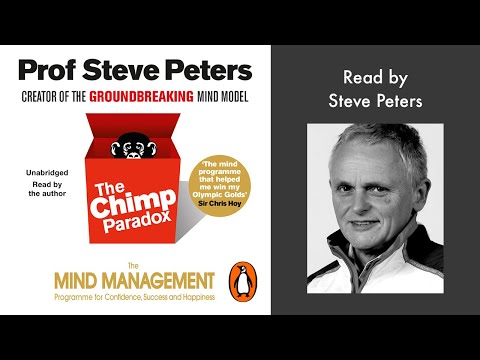
So, let’s chat about “The Chimp Paradox.” This book is all about understanding that chimp and learning how to give it a timeout. Trust me, it can totally change how you handle stress and emotions.
Curious yet? Let’s unravel this together and see how we can manage that cheeky little chimp mind of ours!
Evaluating the Chimp Paradox: Is It a Valuable Read for Personal Development?
Hey you! Let’s chat about The Chimp Paradox, a book by Dr. Steve Peters that claims to help you understand your mind and improve your life. This book isn’t just about chimps, though—it’s really about managing emotion and balancing your thoughts. You know, that little voice in your head that sometimes gets all crazy? That’s what we’re talking about.
So, the idea behind the “chimp” is that we all have this inner emotional creature. Peters explains how our minds work like a jungle, with the rational part being more like an adult and then there’s this impulsive kid—the chimp—who can make you react without thinking things through. Sounds familiar, right?
- Understanding Emotions: The chimp reacts to situations with pure emotion. Imagine playing a video game where you lose a level because you got frustrated and yelled at the screen instead of planning your next move. That’s your inner chimp!
- Balancing Your Mind: Peters emphasizes finding a balance between being rational (the adult) and letting emotions flow (the chimp). It’s like having two gaming modes—sometimes you need strategy; other times, you just gotta go with the flow.
- Taming the Chimp: The book provides techniques for managing this inner chimp so it doesn’t take over during crucial moments, like when you’re stressed at work or in relationships.
Here’s a little story to illustrate: Imagine you’re at a family gathering, and someone makes an offhand comment about your career choice. Your inner chimp might go wild—wanting to shout or roll your eyes! But if you pause and let the rational side take over, maybe you’ll respond calmly or even laugh it off.
A big takeaway from this book is learning not just to control that emotional response but also to appreciate it. It’s kind of like having an amazing cheat code in life—you get to understand why certain triggers affect you deeply.
- Simplifying Complex Thoughts: The way Peters lays things out helps break down complicated feelings into easy-to-understand concepts—almost like leveling up in understanding yourself!
- Navigating Relationships: Knowing how to manage your emotions can be key in making connections with others, from friends to coworkers.
If there’s one thing I gotta stress here: while reading this book can be super helpful for personal development, it shouldn’t replace talking to a therapist or counselor if you’re dealing with something heavy. You know what I mean? Having support is crucial.
In all honesty, The Chimp Paradox offers valuable insights that many people find relatable and applicable in their daily lives. Whether it’s learning how to manage anger or simply becoming more aware of why we react as we do, it opens doors for self-reflection—and who couldn’t use a bit more of that?
A lot of folks seem to find themselves nodding along while reading because it resonates on such a personal level! So if you’re curious about digging into what’s really going on upstairs (in your head), this might just be worth checking out!
Effective Strategies for Managing Your Inner Chimp: Techniques for Self-Control and Emotional Regulation
So, managing your inner chimp sounds a bit wild, right? But the truth is, we all have that little voice in our heads that can get loud sometimes. It’s like having a hyperactive monkey swinging around, reacting to every little thing. This is where the concept of the «Inner Chimp» comes into play. Let’s get into some effective strategies to tame that chimp of yours and work on self-control and emotional regulation.
Know Your Inner Chimp
First off, it’s crucial to understand what this «inner chimp» is all about. Basically, it represents the part of your brain driven by emotion and instinct—like fear or anger. Sometimes it takes over your thoughts and makes you act in ways you later regret. Picture this: say you’re really stressed out about work deadlines, and suddenly you find yourself snapping at your friend for something totally trivial. That’s your chimp taking charge!
Recognize Triggers
Now that you’ve got a handle on who this inner chimp is, the next step is knowing what sets it off.
Writing these down can be super helpful! When you see them all laid out, you can start planning how to handle those moments better instead of just reacting.
Create a Plan
Once you’ve mapped out your triggers, think ahead! Having a plan means when chaos strikes, you’ll know how to respond calmly instead of letting the chimp take over. One effective technique? Use the 5-4-3-2-1 grounding method. When things get overwhelming:
- Identify 5 things you can see.
- Name 4 things you can feel.
- Listen for 3 things you can hear.
- Notice 2 things you can smell.
- Taste 1 thing (maybe sip some water).
This little exercise helps pull you back into the moment and creates space between reaction and response.
Breathe It Out
You might have heard this one before – but it totally works! Deep breathing literally slows down your heart rate and counters stress hormones floating around in your body. So next time you feel that surge of irritation or anxiety coming on? Stop for a sec and take a few deep breaths in through your nose, hold it for a moment, then let it out through your mouth slowly. Visualization helps too; imagine blowing away those angry feelings with each exhale!
Practice Self-Compassion
Look, everyone makes mistakes – even if they don’t want to admit it! Beating yourself up over snapping at someone only fuels the inner chimp more. Instead, try speaking to yourself like you’d talk to a friend going through tough times. You’re human; give yourself permission to feel bad without letting it spiral into negativity.
Create Healthy Habits
Routine matters! Build small but meaningful habits that support emotional regulation.
These habits create structure around which you’ll be less likely to let emotions run amok.
Acknowledge Your Successes
Lastly, don’t forget to acknowledge when you’ve handled situations well! Seriously—it’s easy to focus only on setbacks but celebrating those little wins reminds us we’re making progress towards better self-control.
In the end, remember nobody has this whole “inner chimp” thing figured out perfectly—it’s an ongoing journey for all of us! If you’re ever feeling stuck or overwhelmed by these emotions though? Don’t hesitate to reach out for professional help because we could all use support sometimes.
So go ahead; tame that inner chimp one step at a time!
The Quote from The Chimp Paradox Explained: Understanding Its Significance
Sure, let’s chat about that quote from “The Chimp Paradox.” You know, this book is all about understanding the different parts of your mind. It talks about the inner chimp, which represents your emotional side and instincts. The whole idea can be pretty relatable.
So, what’s the significance of the quote? It helps you see how your inner chimp can influence your decisions and reactions. When you think of it like a game character with its own quirks and tantrums, it becomes easier to manage.
Here are some key points to consider:
- Your Inner Chimp: This part of you reacts quickly and emotionally. Picture a character in a game who rushes into battle without thinking. That’s your chimp!
- The Human Mind: On the flip side, there’s the rational part—your human mind. This one’s more like a strategist planning every move carefully.
- Conflict: Sometimes these two parts clash! Your emotional chimp might want dessert right now, while your human self knows you should save room for dinner.
It’s pretty natural to feel torn between these two sides every now and then. Like that moment when you’re on a diet but pass by an ice cream shop—your chimp screams «Get ice cream!» while your logical side is like «Nah, not today.» So relatable!
Another important aspect? Learning to manage that inner chimp can lead to better decision-making. When you recognize it’s just your instinct talking—like when you get overly mad during a video game because things aren’t going well—you can pause and think before reacting.
You don’t have to struggle alone with this. Identifying these mental battles isn’t a substitute for professional help (seriously), but it’s definitely empowering! By acknowledging both sides, you gain more control over how you respond in various situations.
In the end, understanding this quote from “The Chimp Paradox” is about recognizing the emotional versus logical elements of yourself—it’s like balancing two characters in a story. The more awareness you have over them, the better decisions you’ll make!
You know, I was chatting with a friend the other day about this book called “The Chimp Paradox” by Dr. Steve Peters. It’s kind of a game changer when it comes to understanding how our minds work. So, imagine your brain is like a little zoo, right? You’ve got this inner chimp, which represents your emotions and instincts—sort of the wild side of you that reacts without thinking much.
I remember one time when I lost my cool over a minor issue at work. My “chimp” kicked in hard—yelling at my laptop for freezing up like it was personally out to get me! Seriously, it was embarrassing afterward…but in that moment, all logic flew out the window and pure emotion took over. And that’s exactly what Peters talks about!
The chimp can be super reactive; it acts on feelings—a bit impulsive if you ask me. On the other hand, you’ve got your logical human brain, which tries to keep things in check and think rationally. Ideally, you want these two sides working together instead of one overpowering the other.
Managing your inner chimp? Yeah, that sounds simple but isn’t always easy! It’s all about recognizing when your emotional side takes center stage and bringing it back down to Earth a bit. Sometimes just taking a deep breath or counting to ten can help quiet that pesky inner chimp before it throws its tantrum.
One thing I found enlightening is how Peters encourages us to practice self-awareness. Just by acknowledging those wild chimp reactions—like mine with the laptop—you start finding ways to handle them better over time. It might feel awkward at first; you might even giggle at yourself for how dramatic things can sometimes seem!
And let’s be real: we all have our moments where we’re driven by emotion rather than logic. The key is giving ourselves grace while also aiming for improvement. Who knows? Maybe your inner chimp just needs some extra cuddles and attention instead of being locked away…what do you think?
So anyway, managing our minds is really about compassion—not just for ourselves but also for those wily chimps inside us!

