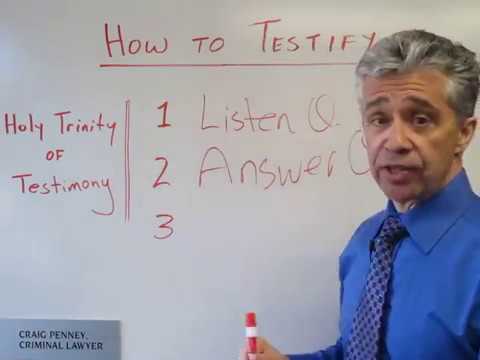
You know how in movies, there’s always that one testimony that turns everything upside down? It’s like, bam! The truth comes spilling out, and suddenly, the whole case changes.
Este blog ofrece contenido únicamente con fines informativos, educativos y de reflexión. La información publicada no constituye consejo médico, psicológico ni psiquiátrico, y no sustituye la evaluación, el diagnóstico, el tratamiento ni la orientación individual de un profesional debidamente acreditado. Si crees que puedes estar atravesando un problema psicológico o de salud, consulta cuanto antes con un profesional certificado antes de tomar cualquier decisión importante sobre tu bienestar. No te automediques ni inicies, suspendas o modifiques medicamentos, terapias o tratamientos por tu cuenta. Aunque intentamos que la información sea útil y precisa, no garantizamos que esté completa, actualizada o que sea adecuada. El uso de este contenido es bajo tu propia responsabilidad y su lectura no crea una relación profesional, clínica ni terapéutica con el autor o con este sitio web.
Well, guess what? That’s not just Hollywood magic. Testimony evidence plays a huge role in real-life legal proceedings too.
Imagine being in a courtroom, all eyes on you. Your words could decide someone’s fate—no pressure, right? When people share their experiences or facts in court, it can seriously sway judges and juries.
So let’s chat about this thing called testimony evidence. What it is and why it matters so much in making justice happen. Sounds like a plan?
Understanding the Four Essential Elements of Testimony: A Guide to Effective Communication
Testimony evidence plays a crucial role in legal proceedings, and understanding its essential elements can really help you communicate effectively in that context. So, let’s break down the four key components of testimony that are vital for any legal case: credibility, relevance, clarity, and coherence.
- Credibility: This refers to the trustworthiness of the witness. If you’ve ever played a game where you had to rely on NPCs (non-playable characters) to give you hints or quests, you know how important it is for them to seem reliable. A witness with a solid background and no history of dishonesty adds weight to their testimony. For instance, if someone’s been caught lying in the past during court cases, their say-so might get thrown out as unreliable.
- Relevance: Basically, this means the testimony should directly relate to the case at hand. Imagine if you’re playing a detective game and one character starts talking about their cat instead of the crime—totally off-topic! The same goes for legal situations; anything irrelevant can confuse or distract from what really matters.
- Clarity: You want your words to be plain and simple. If I start throwing around legal jargon like “habeas corpus” or “subpoena,” most people might just glaze over like they do when trying to understand complex game mechanics without a tutorial! Clear language ensures everyone—judges, juries—understands exactly what’s being said.
- Coherence: For testimony to make sense as a whole, it needs to flow logically. Think about telling a story: if you jump around from one point to another without transitions, your audience gets lost fast! Especially in court settings where timelines are crucial; skipping details or mixing them up can lead to misunderstandings.
So why do these elements matter? In legal proceedings, strong testimony can sway decisions and influence outcomes significantly. It’s not just about facts but how those facts are presented.
You know what? Even outside of courts, these principles apply in everyday conversations too! Whether you’re talking with friends about an experience or giving a presentation at work, nailing clarity and coherence makes your message hit home.
In short, knowing these four elements—credibility, relevance, clarity, and coherence—can empower anyone involved in legal matters to present their case more effectively. And keep in mind that while understanding this stuff is super helpful for communication skills in general it doesn’t replace professional help when facing serious legal issues!
Exploring Three Types of Testimony: Understanding Their Role and Impact
Sure thing! So, let’s dig into the world of testimony evidence and how it plays a vital role in legal proceedings. You know, it’s not just about the facts; it’s also about the stories people tell. There are three main types of testimony that stand out: expert testimony, lay testimony, and character testimony. Each one has its unique influence on a case.
Expert Testimony: This is where professionals come into play. They’re like the superheroes of the courtroom, armed with specialized knowledge. Think doctors, scientists, or financial experts—people who can shed light on complicated issues. For example, in a murder trial, a forensic scientist might explain how DNA evidence works. Their insights help jurors understand what might be beyond their grasp. You with me?
Lay Testimony: Now, this type is more relatable because it comes from regular folks—witnesses who saw something happen or know something about someone involved in the case. Imagine a bystander at an accident scene describing what they saw; their account could be crucial! It’s all about adding personal stories to the evidence pile. Just like in a game where each player contributes to winning, each witness adds a piece to the puzzle.
Character Testimony: This one focuses on telling us who someone is as a person rather than just what they did in that moment. It’s like when players in team-based games vouch for their teammates based on past performances—this helps shape opinions! In court, friends or family might share positive stories about the defendant’s character to paint them in a better light during a trial. It can make a big difference!
To wrap this up:
- Expert testimony helps clarify complex topics with reliable facts.
- Lay testimony, coming from everyday witnesses, provides relatable narratives.
- Character testimony gives insight into someone’s personality and history.
So there you have it! Each type of testimony serves its purpose in painting a complete picture during legal proceedings. Remember though, while this info shines light on how things work in courtrooms, it’s not meant as professional advice or to replace help from trained experts if you need it!
When you think about courtrooms, you probably picture intense arguments, drama, and maybe a bit of suspense. But let’s talk about something that often doesn’t get the spotlight it deserves: testimony evidence. Seriously, this stuff is gold in legal proceedings.
Imagine being in a courtroom. There are people sitting there, and one of them stands up to share their story. They could be a witness who saw something happen or someone directly involved in the case. Their words can make or break a situation. I remember once reading about a case where a bystander testified to seeing an accident differently than what the police reported. It was like he turned the whole narrative on its head—just by sharing what he observed.
Testimony gives context to facts. It’s not just about cold hard evidence like fingerprints or DNA; it’s about the human experience behind those facts. When someone takes the stand, they add layers of emotion and perspective that numbers alone can’t convey. Remember when you’ve had to recount an event—how your feelings colored your memory? That’s exactly what happens here too.
Now, of course there are some quirks with testimony too. People aren’t perfect; memory can be fuzzy or influenced by how they felt at that moment—like stress or fear playing tricks on your brain. Think about times when you’ve tried to recall something significant; every time you tell the story, new details might pop up or disappear, right? In courts, attorneys must navigate through these potential pitfalls carefully.
But testimony isn’t just there to color in details; it also helps establish credibility and trustworthiness. You know how sometimes just hearing someone speak can shift your perception of them? In a courtroom, jurors often lean on that gut feeling when deciding who they believe—the person giving their side of things matters big time!
And then there’s cross-examination—a real nail-biter! This is where attorneys challenge the witness’s story and motives. It can feel pretty intense for everyone involved and often reveals inconsistencies or strengthens credibility depending on how well it goes down.
So yeah, while forensic evidence is crucial—like DNA matching—it’s this personal touch of testimony that really has the power to influence outcomes. In a world driven by data and results, it’s good to remember that at heart of legal battles are stories shared by people trying their best to convey truth.
All in all, testimony evidence isn’t just another piece of the puzzle; it’s more like the glue holding everything together! Without those human elements woven into legal proceedings we’d miss so much about what justice truly means—a blend of fact with personal experience shaping our understanding of right and wrong.