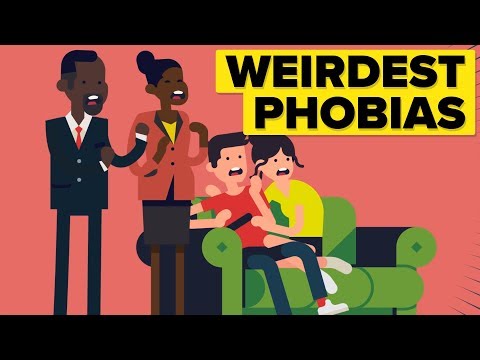
So, you know how some people are scared of spiders? Pretty common, right? But then there are those phobias that totally blow your mind. Seriously, I mean, have you heard of someone being afraid of socks? Yeah, it’s a thing!
Este blog ofrece contenido únicamente con fines informativos, educativos y de reflexión. La información publicada no constituye consejo médico, psicológico ni psiquiátrico, y no sustituye la evaluación, el diagnóstico, el tratamiento ni la orientación individual de un profesional debidamente acreditado. Si crees que puedes estar atravesando un problema psicológico o de salud, consulta cuanto antes con un profesional certificado antes de tomar cualquier decisión importante sobre tu bienestar. No te automediques ni inicies, suspendas o modifiques medicamentos, terapias o tratamientos por tu cuenta. Aunque intentamos que la información sea útil y precisa, no garantizamos que esté completa, actualizada o que sea adecuada. El uso de este contenido es bajo tu propia responsabilidad y su lectura no crea una relación profesional, clínica ni terapéutica con el autor o con este sitio web.
These strange fears can be super bizarre. You might be thinking, “How on earth can someone be scared of that?” But the truth is, our brains can be wacky sometimes. They latch onto the weirdest things and create these intense fears.
Imagine a guy who won’t step foot in a supermarket because he’s terrified of bananas. Sounds wild, huh? Phobias can really change how someone lives their life.
So buckle up! We’re about to explore some of the most uncommon fears out there. You might find yourself laughing or shaking your head in disbelief. Let’s jump into this quirky world together!
Understanding Kakorrhaphiophobia: A Comprehensive Look at the Fear of Failure
Kakorrhaphiophobia is one of those phobias that sounds like a character from a video game, but it’s real, and it can seriously impact someone’s life. At its core, this phobia is an intense fear of failure. Imagine trying to achieve something but feeling like you’ll crash and burn no matter what you do. That feeling? It’s a big part of Kakorrhaphiophobia.
So why does this happen? Well, it often stems from past experiences where failure was met with harsh criticism or disappointment. Maybe you bombed a big exam in school, and the fallout made you feel like you’d let everyone down. You know? It can start small but snowball into something that feels unmanageable.
Let’s look at some characteristics of this phobia:
- Intense anxiety: Just thinking about failing can trigger physical symptoms like sweating or a racing heart.
- Avoidance: People with Kakorrhaphiophobia might avoid situations where they could fail, whether that’s applying for jobs or trying new hobbies.
- Low self-esteem: Constant fear of failure can lead to negative self-talk and a lack of confidence in one’s abilities.
- Overthinking: You might find yourself endlessly pondering every possible outcome instead of taking action.
Here’s an example: think of that friend who’s amazing at video games but never plays online because they’re terrified of losing against others. They love the thrill but can’t shake off the mental block that stems from fearing failure in front of others.
Sometimes, Kakorrhaphiophobia can be linked to other issues, like anxiety disorders or even perfectionism. You know how perfectionists often feel they must get everything right? Well, that adds another layer to the fear—if anything less than perfect feels like total failure, well… it makes sense that the pressure builds up!
Coping strategies vary from person to person. Some find comfort in speaking with friends or joining support groups. Others might want to consider talking to a professional who understands these feelings better than anyone else—because let’s get real: seeking help isn’t a sign of weakness; it’s a step toward empowerment.
In the end, recognizing this fear is crucial because then you can work on confronting it. Maybe it’s about starting small—trying something new without the expectation that you need to nail it right away.
It’s essential to remember that while exploring fears like Kakorrhaphiophobia sheds light on human experience, this talk doesn’t substitute for professional help if needed. If this resonates too deeply with your experiences (or those around you), reaching out for support could be life-changing!
Understanding the Phobia of 666: Insights into Hexakosioihexekontahexaphobia
So, let’s chat about something that might seem a bit odd but is truly intriguing: hexakosioihexekontahexaphobia. Yes, it’s a mouthful, but it simply means the fear of the number 666. If you’re thinking, “Why would anyone fear a number?” you’re not alone! This phobia taps into deeper beliefs and cultural significances.
First up, what’s the deal with this number? For many folks, 666 is linked to dark themes. It’s often referred to as the “number of the beast” in Christian theology, specifically in the Book of Revelation. This connection can trigger anxiety for those who might be sensitive to such concepts. Imagine watching a horror movie and feeling that tightness in your chest during a particularly scary scene—yeah, it’s kind of like that.
Now let’s break it down a bit more:
- Cultural Influence: Some cultures portray 666 as bad luck or even evil. This can resonate strongly with people who grew up in environments where these beliefs were prominent.
- Personal Experiences: Sometimes it isn’t just about culture. It can stem from personal experiences—like hearing unsettling stories about this number or having a spooky encounter on Friday the 13th.
- The Unknown: Fear often comes from not knowing what something means or what might happen next. The mystery surrounding this number can lead to anxiety and stress.
A friend of mine once told me how they avoided buying anything from store aisles tagged with 666. They thought it was bad luck—kind of quirky, right? But for them, those feelings were very real.
On another note, some video games playfully incorporate this number into their narratives to create tension or excitement. They know how to push your buttons! You see this in games where players face creepy creatures or navigate through dark settings that play off fears associated with numbers like 666.
Now here’s something interesting: while phobias might sound strange or even silly from an outside perspective, they’re very valid for those experiencing them. People with hexakosioihexekontahexaphobia may avoid certain situations or numbers altogether because their fear triggers strong emotional responses.
Let’s be real though; if you find yourself struggling with this fear daily or if it interferes with your life in any meaningful way, talking to someone who knows their stuff is key. I’m talking about mental health professionals who can offer support and strategies tailored just for you.
At the end of the day, phobias—no matter how peculiar they seem—can affect people deeply. So if you’ve got meals where numbers hold special meanings lurking behind them (or spooky stories), remember you’re definitely not alone!
Top 100 Weirdest Phobias: Exploring Uncommon Fears and Their Psychological Roots
Phobias are fascinating, aren’t they? They can range from the most common fears, like spiders or heights, to the downright bizarre. Some people have fears that sound more like a list of strange video game monsters. Let’s take a stroll through the world of weird phobias and their psychological roots.
- Ablutophobia – This is the fear of washing or bathing. Seriously! Imagine someone so terrified of water that they avoid it completely. It might connect to past trauma or an overwhelming feeling of vulnerability.
- Cacophobia – This one’s about the fear of ugliness. It can stem from societal pressures and personal insecurities. Someone affected might constantly feel anxious about their appearance or surroundings.
- Dendrophobia – Yup, it’s a fear of trees! Crazy, right? For some, this could relate to childhood experiences with nature or even an overwhelming sense of being lost in a forest.
- Xenophobia – Fear not just of strangers but also foreign things! While usually relating to cultural differences, it can open doors to understanding anxiety about change and unfamiliarity.
- Technophobia – The dread related to technology is becoming more common as life becomes increasingly digital. This could be linked to feelings of helplessness in understanding how things work.
- Anemophobia – A fear of wind which sounds pretty wild! Imagine being terrified every time it breezes outside. It may kick up memories related to storms or strong winds in childhood.
- Chionophobia – So what do you think this one means? It’s the fear of snow! People with this phobia may have had traumatic experiences during winter storms.
- Selenophobia – Believe it or not, some folks are afraid of the moon. This could be tied into deeper fears around darkness and what lurks within it—super spooky!
- Pogonophobia – Here’s a strange one: fear of beards! Maybe it stems from negative encounters with hairy faces growing up?
- Bromidrosiphobia – Alright, brace yourself…it’s the fear of body odor. It might find its roots in social anxiety and concerns over personal hygiene—yes, it can get serious!
You know what I find interesting? These phobias often reflect deeper emotional issues or past traumas rather than just being irrational reactions. For instance, if you’ve ever played any survival horror games—like Resident Evil—you know how those intense moments tap into your deepest fears.
Take ablutophobia; imagine someone playing out their anxiety over cleanliness in that virtual space where they can’t escape washing their hands after encountering germs. That deep connection between our fears and experiences is almost like a game itself!
Understanding these quirky fears helps us see how unique our minds really are. If anything resonates with you here—or you know someone who grapples with these phobias—it’s crucial to remember: reaching out for professional help is key if these fears interfere with daily life.
So yeah, phobias aren’t just scary; they’re a peek into human experiences that’s pretty wild! Explore them if you’re curious but remember: mental health professionals are your best bet for anyone facing serious challenges related to any kind of anxiety or phobia.
So, let’s talk about phobias for a second. You know, those irrational fears that can make your heart race and your palms sweaty? Most of us have heard of the big, scary ones like fear of heights or spiders. But there are some really strange ones out there that might just leave you raising your eyebrows. Like, seriously, who knew people could be afraid of something as harmless as… cheese?
I remember reading about this guy named “fromagephobia” – yes, a full-on fear of cheese! Can you imagine? Picture him at a pizza place, eyes wide as they pull a cheesy slice out. It’s like the ultimate test of friendship: “Hey man, do you wanna grab some pizza?” “Uh, no thanks! That stuff terrifies me!” It’s kind of funny when you think about it, but also a little sad because these phobias can really affect someone’s life.
Then there’s “trypophobia,” which is the fear of clusters of small holes. People who have this might freak out at the sight of honeycombs or even certain fruits. I mean, it sounds bizarre until you realize how our minds work in strange ways. Imagine having to avoid strawberries on account of their little seeds – wow!
And let’s not forget “nomophobia” – the fear of being without your mobile phone. Totally relatable on some level, right? Think about it: how often do you panic when your phone’s not within reach? The thing is this isn’t just about being attached to technology; it speaks to our modern lives and how much we rely on connections – both virtually and personally.
It blows my mind because these fears often stem from really personal experiences or what our brains interpret as danger. So while we might chuckle at someone fearing pickles or certain fabrics (yes, there’s such thing!), it’s essential to remember that there’s usually more going on beneath the surface.
All in all, it’s fascinating how diverse and unique human emotions can be! Whether it’s a quirky fear like balloons or something more common like public speaking – every person’s experience adds color to this wild tapestry called life. So next time someone mentions their strange phobia? Maybe give ‘em a break; after all, we all have our quirks!